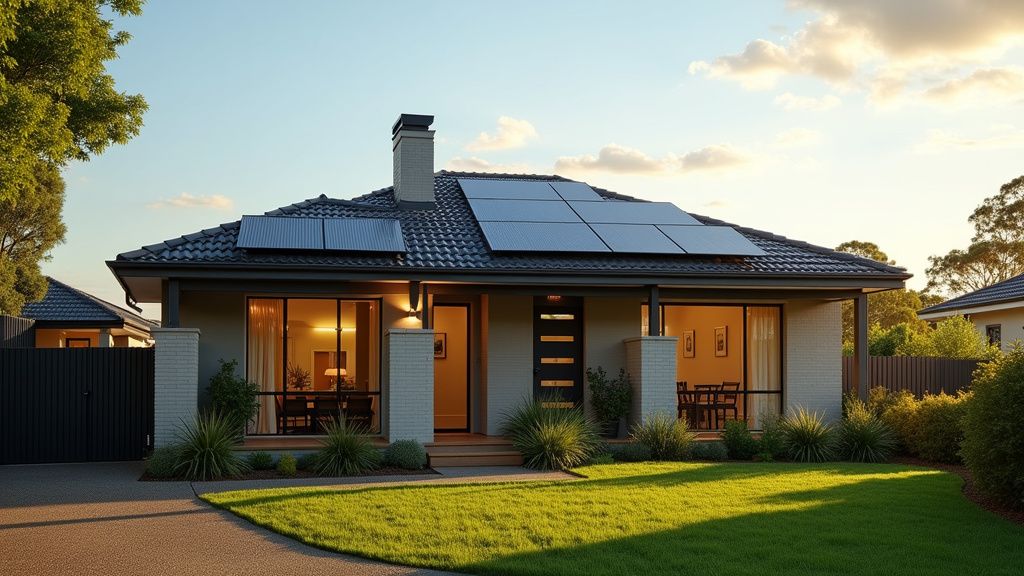
Solar Insights: Maximising Your Solar Investment - Roof Orientation in Melbourne
Thinking about going solar in Melbourne? That's fantastic! Harnessing the power of the sun is a smart move for your wallet and the environment. But before you jump in, it's crucial to understand how the orientation of your roof impacts the amount of electricity your solar panels can generate.
This blog post dives into the specifics of roof orientation in Melbourne and how it affects solar panel performance, helping you make informed decisions about your solar investment. For a more in-depth overview of solar panels in Melbourne, be sure to check out our Complete Guide.
The Northern Exposure Advantage
Generally speaking, in the Southern Hemisphere, north-facing solar panels are the champions of energy production. Because of Australia’s location, the sun predominantly shines from the north. Therefore, a north-facing roof provides the most direct sunlight exposure throughout the year.
However, simply chasing maximum overall energy production isn't always the most financially savvy approach. Let's explore other orientations and their potential benefits.
West-Facing Panels: A Peak Performance Strategy
Don't discount west-facing panels! While they might produce slightly less total energy annually – maybe around 15% less depending on the angle of your roof – they can be strategically advantageous. This is because west-facing panels generate more power in the afternoon, coinciding with peak electricity demand and, often, higher electricity prices.
Consider this: many Melbourne households experience a surge in electricity consumption during the late afternoon and early evening, driven by air conditioning during summer, cooking dinner, and other household activities. West-facing panels can help offset this peak demand, reducing your reliance on the grid when electricity is most expensive.
East-Facing Panels: Morning Boost
East-facing panels capture the morning sun, offering a good option for homes with significant energy use earlier in the day. They complement west-facing panels nicely, creating a more balanced energy generation profile throughout the day. This may be ideal to offset costs if you work from home, or have time-of-use electricity pricing.
The Importance of Self-Consumption
Ultimately, the key to maximising your solar savings lies in self-consumption – using the solar energy you generate directly, rather than exporting it back to the grid. The feed-in tariff, the rate you receive for selling excess solar power back to the grid, is often significantly lower than the price you pay for electricity. Therefore, consuming your own solar power is more cost-effective.
This is where roof orientation becomes so important. By carefully considering your energy usage patterns and aligning your panel orientation accordingly, you can minimise the amount of electricity you need to purchase from the grid.
Factors Beyond Orientation
While roof orientation is a crucial factor, it's not the only consideration:
- Shading: Trees, buildings, or other obstructions can cast shadows on your panels, reducing their performance. Choose a location with minimal shading.
- Roof Tilt: The angle of your roof also plays a role. A tilt angle around 30 degrees is often optimal in Melbourne, but this can vary depending on your specific location and latitude.
- Panel Type & Quality: Higher-quality panels with better efficiency ratings will naturally generate more power, regardless of orientation.
- Time-of-Use Tariffs: Are you charged different amounts depending on the time of day? Adjusting to this pricing can save you money.
- Energy Usage: When do you use the most energy in your house?
Getting Expert Advice
Navigating the complexities of solar panel installation can be daunting. That's why it's essential to seek advice from Clean Energy Council (CEC) accredited solar installers. These professionals can assess your specific circumstances, taking into account your roof orientation, energy usage patterns, and budget, to recommend the optimal solar system for your needs.
They will also be able to advise you on the latest feed-in tariff rates and whether or not a battery system would be a worthwhile investment for your home.
The Future is Bright (and Solar-Powered)
As battery technology continues to improve and prices fall, storing excess solar energy for later use will become increasingly attractive. In the future, it might even be feasible to cover your entire roof with solar panels, regardless of orientation, and store the excess energy in batteries, essentially becoming energy independent.
However, for now, understanding the impact of roof orientation on solar production in Melbourne is crucial for making informed decisions and maximising your solar investment. With careful planning and expert advice, you can harness the power of the sun to reduce your electricity bills and contribute to a more sustainable future.
