Scorched Earth, Strained Grids: How Heatwaves are Impacting Australia's Electricity Market
Australia, the land of scorching summers and sun-drenched landscapes, is no stranger to heatwaves. But these increasingly frequent and intense periods of extreme heat are doing more than just making life uncomfortable – they're placing immense strain on our electricity market, driving up prices and threatening grid stability. If you are interested in knowing more about solar energy and how it affects the transition, you can check out our Complete Guide.
Let's delve into the sizzling truth of how heatwaves impact our electricity supply and what it means for your wallet.
The Demand Spike: Air Conditioners and Overload
The most obvious impact of a heatwave is the surge in electricity demand. As temperatures soar above 40 degrees Celsius, homes and businesses crank up their air conditioners to escape the oppressive heat. This simultaneous demand creates a massive spike in electricity consumption, often pushing the grid close to its maximum capacity. Think of it like everyone trying to drink from the same water fountain at the same time – pressure drops, and sometimes, the fountain sputters.
Data reveals a very clear correlation between temperature and electricity demand. On extremely hot days, peak demand can increase by as much as 20-30% compared to milder days. This puts significant pressure on power generators to rapidly increase output to meet the surge. In some states, this sudden increase in demand can lead to localised blackouts as the grid struggles to cope with the overload.
Price Hikes: The Law of Supply and Demand in Action
When demand outstrips supply, prices inevitably rise. This is basic economics, and it’s readily apparent in the electricity market during heatwaves. Power generators, facing increased demand and potentially operating closer to their maximum capacity, are able to charge higher prices for the electricity they supply.
The wholesale electricity market, where retailers buy electricity from generators, sees the most dramatic price fluctuations. During heatwaves, wholesale prices can surge by hundreds, even thousands, of percent. These increased costs are then passed on to consumers in the form of higher electricity bills. Depending on your electricity plan, you might see these price spikes reflected in your bill in the form of increased usage charges or higher daily supply charges. Some experts note that households without solar energy or the capacity to utilise stored power end up paying higher rates during peak demand times, like heatwaves.
Renewables to the Rescue (Sometimes)
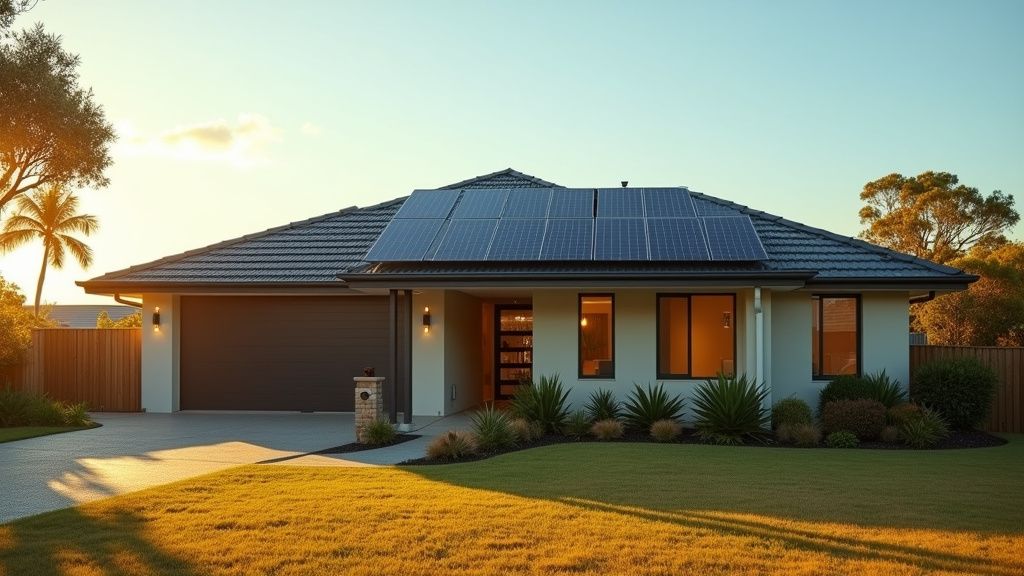
While heatwaves create challenges, they also highlight the potential role of renewable energy, particularly solar power, in mitigating the impact on the grid. During sunny days, solar power generation can help meet some of the increased demand, reducing the strain on traditional fossil fuel-based power plants.
However, the contribution of solar is not always consistent or sufficient. Solar panel output can decrease slightly at very high temperatures. Furthermore, the peak demand usually occurs in the late afternoon and early evening, after the sun has started to set, which means the energy being put into the grid starts to diminish.
Grid Stability: A Balancing Act
Maintaining grid stability is crucial to ensure a reliable electricity supply. The electricity grid operates on a delicate balance between supply and demand. During heatwaves, the rapid fluctuations in demand and the variability of renewable energy sources make it challenging to maintain this balance.
Grid operators need to constantly monitor the grid and adjust power generation to match demand. They may need to call upon reserve power plants or even curtail demand through measures like load shedding (planned blackouts) to prevent widespread system failures. Investment in grid infrastructure, such as transmission lines and energy storage solutions, is vital to improve the grid's resilience to heatwaves and other extreme weather events.
What Can You Do?
While heatwaves present challenges for the electricity market, there are steps you can take to reduce your energy consumption and mitigate the impact on your wallet:
- Invest in Energy Efficiency: Upgrade to energy-efficient appliances, such as refrigerators and air conditioners. Insulate your home to reduce heat gain and loss.
- Smart Air Conditioning: Set your air conditioner to a comfortable, but not excessively low, temperature. Every degree lower can significantly increase energy consumption.
- Utilise Ceiling Fans: Ceiling fans can help circulate air and make you feel cooler, allowing you to use your air conditioner less frequently.
- Install Solar Panels and Battery Storage: Generate your own electricity and store it for use during peak demand periods. This can significantly reduce your reliance on the grid and lower your electricity bills. You can also purchase excess energy when rates are low.
- Monitor Your Energy Usage: Use a smart meter or energy monitoring app to track your energy consumption and identify areas where you can save energy.
- Demand Response Programs: Consider participating in demand response programs offered by your electricity retailer. These programs incentivize you to reduce your energy consumption during peak demand periods in exchange for rebates or discounts.
The Future is Resilient
Australia's electricity market faces significant challenges from increasingly frequent and intense heatwaves. However, by investing in renewable energy, grid infrastructure, and energy efficiency measures, we can build a more resilient and sustainable electricity system that can withstand the impacts of climate change and ensure a reliable and affordable electricity supply for all Australians.
