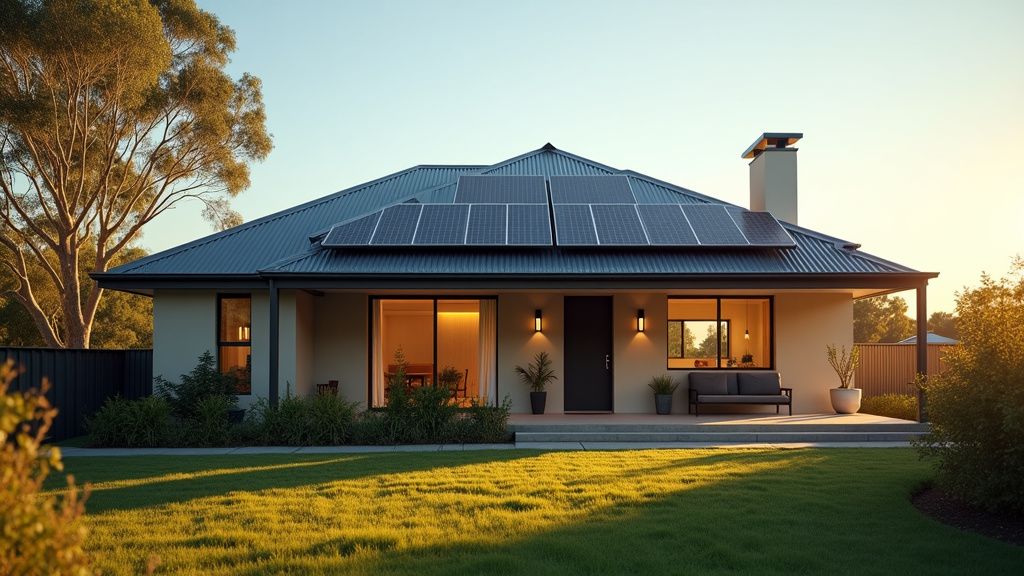
Powering Onward: The Future of Home Energy Storage After the Subsidy in Australia
Australia's love affair with solar power is no secret. Rooftops across the country gleam with panels, harnessing the sun's energy. But what about when the sun isn't shining? That's where home energy storage, in the form of batteries, comes in. As government subsidies for these systems evolve, understanding the future landscape is crucial for homeowners considering this technology. Check out this Complete Guide for a comprehensive overview.
For years, incentives like the Small-scale Technology Certificates (STCs) have played a significant role in making solar and battery systems more affordable. These certificates, awarded based on the expected renewable electricity generation of a system, effectively reduce the upfront cost. However, the STC scheme is designed to gradually decrease support as the market matures, with the deeming period shortening each year until the scheme ends in 2030. This means that a solar and battery system installed in 2026, for example, will attract fewer STCs than the same system installed today. This translates to a higher upfront cost for homeowners.
The Phasing Out of Subsidies: What to Expect
The gradual reduction of STCs is a planned step-down, not a sudden cut. It's intended to reflect the decreasing cost of solar technology and the increasing adoption rates. The key takeaway is that each year, the level of government support diminishes slightly.
Homeowners often notice the impact of these changes most keenly in January. As the new year rolls around, installers adjust their quotes to reflect the reduced number of STCs available. This can create the impression that solar and battery systems have suddenly become more expensive. In reality, the underlying technology and installation costs haven't changed dramatically; it's the value of the incentive that has decreased.
Navigating the Changing Landscape
So, what does this mean for Australians considering investing in home energy storage?
- Timing Matters: The earlier you install a system, the more STCs you'll likely be eligible for. If you're on the fence, getting quotes and exploring your options sooner rather than later could be beneficial.
- Understand the Quotes: When comparing quotes from different installers, be sure to ask about the STC component. This will help you understand how the incentive is being applied and ensure you're comparing apples to apples.
- Beyond STCs: While STCs are a significant factor, they're not the only consideration. Explore other potential incentives offered by state and local governments, as these can further offset the cost of your system.
- Long-Term Savings: Remember that home energy storage is a long-term investment. While the upfront cost may seem significant, consider the potential savings on your electricity bills over the lifetime of the system, as well as the added energy independence and security it provides.
- Future-Proofing: With electricity prices continuing to rise, investing in solar and battery storage can protect you from future price shocks and give you greater control over your energy consumption.
The Future is Bright (and Battery-Powered)
Even with the phasing out of the STC scheme, the future of home energy storage in Australia remains bright. Technology is improving, prices are gradually coming down, and more Australians are recognising the benefits of energy independence.
As the subsidy landscape evolves, homeowners need to be informed and proactive. By understanding the changes and exploring all available options, you can make the best decision for your energy needs and contribute to a cleaner, more sustainable future for Australia.
Don't delay! Research your options and find a reputable installer to discuss your specific energy needs and explore the potential of home energy storage for your property. The power to control your energy future is in your hands.
