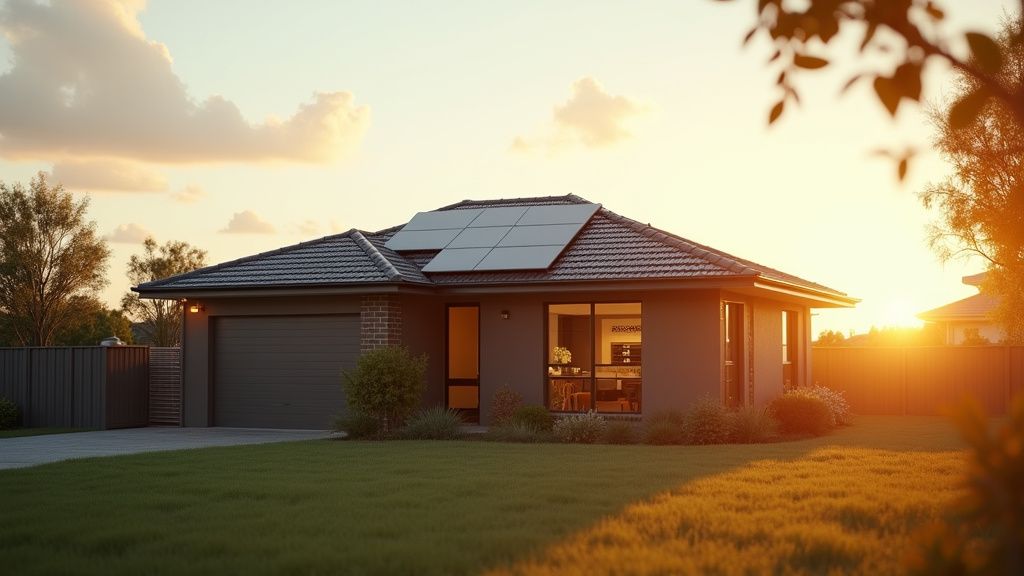
Powering Your Future: Home Energy Storage Trends & Innovations in Australia
Australia, with its abundant sunshine and rising energy costs, is rapidly becoming a leader in home energy storage. More and more Aussies are looking beyond rooftop solar to battery storage solutions, aiming for greater energy independence and reduced power bills. But what does the future hold for home energy storage in Australia? This blog post dives into the key trends and innovations shaping the landscape. If you're considering making the jump, you might find this Complete Guide helpful.
Lithium-Ion Still King, But Alternatives Are Brewing
For now, lithium-ion (Li-ion) batteries remain the dominant technology for home energy storage. They offer a compelling balance of energy density, lifespan, and cost compared to older technologies like lead-acid. We’re seeing improvements in Li-ion chemistry resulting in longer lifespans and enhanced safety features. Manufacturers are continuously refining their products to withstand the harsh Australian climate.
However, the dominance of Li-ion isn't guaranteed forever. Researchers and companies are actively exploring alternative battery chemistries. These include:
- Sodium-ion batteries: These promise a more sustainable and potentially cheaper alternative, utilising readily available materials. Early results suggest similar performance characteristics to some Li-ion options.
- Flow batteries: These batteries use liquid electrolytes stored in tanks, offering scalability and long lifespans. They are particularly suited for larger homes or even microgrids.
- Solid-state batteries: Still in the early stages of development, solid-state batteries offer the potential for higher energy density and improved safety compared to Li-ion.
While these alternatives may not be widely available immediately, their development signals a diversification of the energy storage market in the years to come, which will ultimately benefit consumers through increased choice and potentially lower prices.
Smarter Systems: Integration and Optimisation
The future of home energy storage is not just about the batteries themselves but also about how they are integrated and managed. We're seeing a growing trend towards smarter energy management systems (EMS). These systems use sophisticated algorithms to optimise energy consumption, predict solar production, and intelligently charge and discharge batteries based on factors such as grid prices and household demand.
Key aspects of this trend include:
- AI-powered forecasting: Advanced algorithms are becoming better at predicting solar production based on weather patterns and historical data. This allows the EMS to optimise battery usage more effectively.
- Dynamic tariff optimisation: EMS can automatically adjust battery usage based on time-of-use tariffs offered by electricity retailers, maximizing savings by charging batteries during off-peak periods and discharging them during peak demand.
- Integration with smart home devices: Seamless integration with smart home devices allows for automated control of energy consumption, such as turning off lights or adjusting air conditioning based on solar production and battery levels.
Vehicle-to-Home (V2H) Technology: Your Car as a Battery
Electric vehicles (EVs) are rapidly gaining popularity in Australia, and their batteries represent a significant untapped energy storage resource. Vehicle-to-home (V2H) technology allows EVs to discharge energy back into the home, effectively turning your car into a giant mobile battery.
While still relatively new, V2H technology has the potential to revolutionize home energy storage. Imagine using your EV battery to power your home during peak hours or during a blackout. This could significantly reduce reliance on the grid and increase energy independence. Several automakers are starting to integrate V2H capabilities into their EVs, and we expect this trend to accelerate in the coming years.
The Price is Right (Eventually): Cost Reductions and Incentives
The upfront cost of home energy storage systems remains a barrier for some homeowners. However, prices have been steadily declining over the past decade, and this trend is expected to continue as manufacturing scales up and technology improves. Further reductions in material costs for battery components will also help.
Government incentives and rebates play a crucial role in accelerating the adoption of home energy storage. Many Australian states and territories offer financial assistance to homeowners who install battery systems. Keep an eye on these programs, as they can significantly reduce the upfront cost of a system. Some lenders also offer "green loans" with preferential interest rates for purchasing and installing sustainable solutions.
Community Batteries: Sharing the Load
While individual home batteries are gaining traction, community batteries are emerging as another promising solution. These are larger-scale batteries shared by multiple households in a neighbourhood or community.
Community batteries offer several advantages:
- Economies of scale: Shared batteries can be more cost-effective than individual systems.
- Increased grid stability: Community batteries can help stabilize the local electricity grid by absorbing excess solar energy and providing backup power during outages.
- Greater access to storage: Community batteries can make energy storage accessible to homeowners who may not be able to afford their own system or who live in apartments.
Several community battery projects are underway across Australia, and we expect this model to become more widespread in the future.
The Future is Bright (and Battery-Powered)
The future of home energy storage in Australia is dynamic and full of potential. Continued innovation in battery technology, smarter energy management systems, and supportive government policies are driving the adoption of storage solutions. As prices continue to fall and technology improves, home energy storage will become increasingly accessible and essential for Australian households seeking greater energy independence, reduced electricity bills, and a more sustainable future. Keep an eye on developments in alternative battery chemistries, V2H technology, and community battery projects, as these will play a significant role in shaping the energy landscape of tomorrow.
