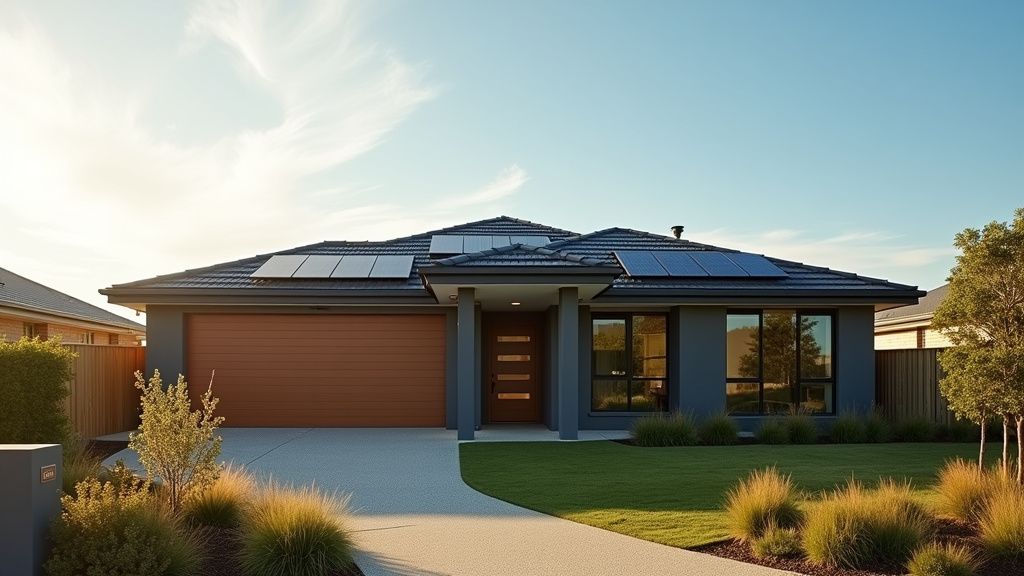
Strata Living Under the Australian Sun: The Future of Energy is Here
For apartment dwellers and townhouse residents across Australia, the future of energy is shining bright – literally. Strata solar solutions are transforming how we power our homes, offering a path towards cost savings, environmental responsibility, and energy independence. If you're living in a strata complex, understanding how solar can work for you is more important than ever. Want to explore in-depth? Check out our Complete Guide.
Strata solar refers to the integration of solar power systems into strata-titled properties, encompassing multi-unit dwellings like apartments and townhouses. These solutions harness the sun's energy to generate electricity, providing a sustainable and eco-conscious alternative to traditional grid power. By capturing sunlight with photovoltaic (PV) panels, these systems convert solar energy into usable electricity, which can then power both common areas and individual units within a property. The transition to solar energy provides significant financial and ecological advantages, making it an increasingly favoured choice for modern strata communities seeking both sustainability and cost-effectiveness.
The Bright Benefits of Strata Solar
So, why is everyone talking about strata solar? Here's a breakdown of the key advantages:
- Significant Cost Savings: Perhaps the most appealing benefit is the potential to slash electricity bills. By generating their own power, strata communities can significantly reduce their reliance on the electricity grid, leading to considerable savings for both individual residents and the body corporate. Over time, these savings can more than offset the initial investment in the solar system, providing a strong return on investment.
- Environmental Responsibility: Solar energy is a clean, renewable resource. By opting for solar, strata properties can dramatically reduce their carbon footprint and contribute to a greener future. Solar power production doesn't release greenhouse gases or other harmful pollutants, which helps combat climate change and improves our air quality.
- Increased Energy Independence: With solar power, strata communities become more self-sufficient and less vulnerable to the fluctuating prices and potential disruptions of traditional energy providers. Generating their own power insulates them from external market forces.
- Enhanced Property Value: Properties equipped with solar installations are often more attractive to potential buyers and renters. Solar panels can increase the market value of strata properties by offering future owners and tenants the benefits of lower energy costs and a smaller environmental impact. This can make properties more appealing, potentially leading to quicker sales and possibly higher prices.
How Strata Solar Works: A Technical Overview
At its core, a strata solar system involves installing solar panels on the roof or other suitable areas of a building. These panels capture sunlight and convert it into electricity through the photovoltaic effect. The electricity generated can then be used to power common areas (like hallways, lifts, and lighting) and individual units within the property. Any surplus energy produced can be fed back into the grid, often resulting in credits from electricity retailers, further boosting the system's financial benefits.
Let's break down the key components:
- Solar Panels: These are the workhorses of the system. They capture sunlight and convert it into direct current (DC) electricity. Modern solar panels are highly efficient and can generate a substantial amount of electricity even on less-than-perfectly sunny days.
- Inverters: These crucial devices convert the DC electricity produced by the solar panels into alternating current (AC) electricity, which is the standard electricity used in homes and businesses. Without inverters, the electricity generated by the panels wouldn't be usable for most appliances and systems.
- Metering Systems: These systems monitor the energy production and usage within the solar power system. They provide real-time data on how much electricity is being generated, consumed, and fed back into the grid, allowing for accurate monitoring and management of the system.
Navigating the Strata Solar Journey
Implementing a strata solar solution requires careful planning and collaboration within the community. Key considerations include:
- Strata Bylaws and Regulations: Understanding the specific rules and regulations governing solar installations within your strata scheme is crucial.
- Feasibility Studies: Conducting a thorough assessment of the building's suitability for solar, including roof space, orientation, and shading, is essential.
- Choosing the Right System: Selecting a system that meets the energy needs of the community and aligns with its budget is vital.
- Installation and Maintenance: Partnering with a reputable solar installer who can handle the installation process and provide ongoing maintenance is key.
- Understanding Energy Usage: How much electricity are residents using, is the solar being used to offset common area consumption or individual apartments? Are batteries needed?
The Future is Sunny
Strata solar represents a significant step towards a more sustainable and affordable energy future for Australian communities. By embracing solar power, strata residents can unlock a range of benefits, from reduced electricity bills and a smaller carbon footprint to increased property value and greater energy independence. As technology advances and costs continue to fall, strata solar is poised to become an increasingly popular choice for multi-unit dwellings across the country. The sun is shining, and the future of energy in Australia is looking brighter than ever.
