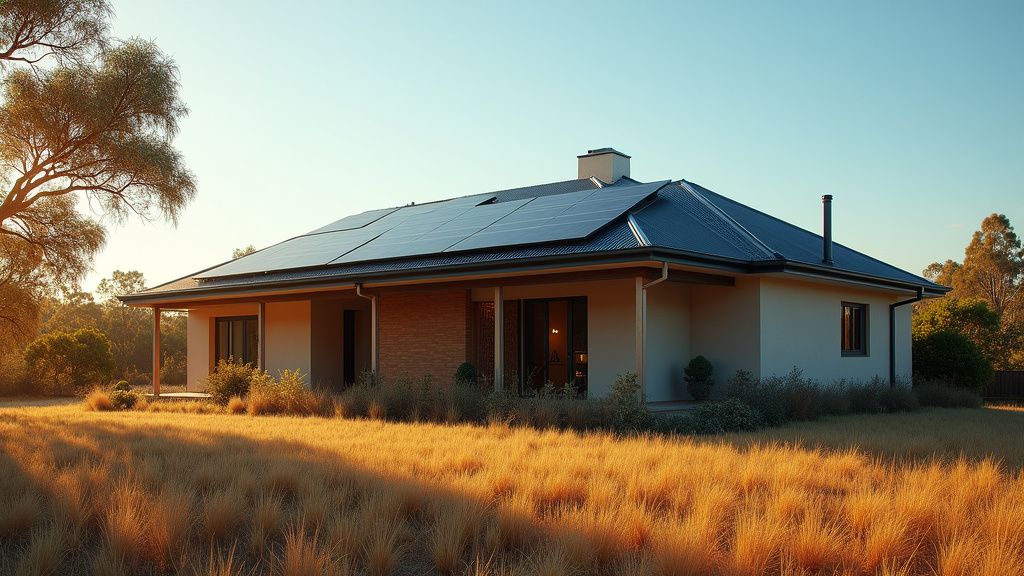
SolarInsights: Navigating the Winter Grid - Australia's Energy Future
As the crisp Australian winter air settles in, so too does the annual challenge of keeping our homes warm and the lights on. While rooftop solar has become a common sight across our sun-drenched nation, its role in reliably powering us through these colder months requires a closer look. This is especially true given the ongoing and vital transition underway in Australia's electricity sector.
Before we dive in, if you're keen to explore this topic in more detail, check out our Complete Guide.
The Winter Energy Crunch: A Perfect Storm
Winter in Australia presents a unique set of challenges for electricity supply. Firstly, demand surges as households crank up heaters and use more lighting during shorter daylight hours. Simultaneously, solar panel output dips due to less sunshine and shorter days. This creates a significant gap that must be filled to maintain a stable and reliable electricity grid.
Traditionally, Australia has relied heavily on coal-fired power plants to meet this peak winter demand. However, many of these plants are nearing the end of their lifespan, often using outdated and inefficient technology. This contributes to Australia having some of the most polluting electricity generation in the OECD. As these older plants retire, the need for alternative solutions becomes increasingly urgent.
Solar's Limitations: A Seasonal Reality
While solar energy offers many benefits, including lower running costs and reduced carbon emissions, it's important to acknowledge its limitations, especially during winter. The reduced sunlight hours mean that solar panels generate significantly less electricity compared to the summer months. Cloud cover and shorter daylight also impact reliability.
Therefore, relying solely on rooftop solar to power Australia through winter is not currently feasible. We need a multifaceted approach that addresses the intermittency of solar and ensures a stable and consistent energy supply.
Beyond Solar: A Diverse Energy Mix for a Reliable Grid
The future of Australia's grid hinges on diversifying our energy sources and embracing innovative technologies. While solar remains a crucial component, it needs to be complemented by other reliable energy solutions.
- Wind Power: Wind energy provides a valuable source of clean electricity, particularly during off-peak solar hours and at night.
- Energy Storage: Batteries, both at the household and grid scale, are essential for storing excess solar and wind energy generated during peak production times and releasing it when demand is high. Pumped hydro is another established storage solution that can be expanded.
- On-Demand Renewables: Technologies like solar thermal, which stores heat to generate electricity when needed, and biomass, using organic matter to generate power, can provide a more consistent and controllable renewable energy source.
- Demand Response Programs: Incentivising consumers to reduce their electricity usage during peak demand periods is a valuable tool for managing grid stability.
Policy and Investment: The Keys to a Smooth Transition
A clear and consistent federal energy policy is crucial to encouraging investment in renewable energy and storage infrastructure. The lack of such a policy has hindered progress in the past, leaving states, cities, businesses, and households to largely drive the transition. We need coordinated national efforts to ensure a reliable and affordable energy future for all Australians.
Investing in new, low-emission power plants is essential to replace aging coal-fired power stations. This includes supporting the development of renewable energy projects, battery storage facilities, and smart grid technologies that can efficiently manage the flow of electricity across the country.
Moving Forward: A Sustainable Energy Future
Australia has committed to reducing emissions under the Paris Agreement, which requires transitioning away from fossil fuels and towards a zero-emission electricity sector well before 2050. This means aiming for a high percentage of renewable electricity by 2030 and phasing out coal-fired power generation.
The shift towards a decentralised grid, powered by a mix of renewable energy sources and supported by storage and demand response programs, is the key to a reliable and sustainable energy future for Australia. By embracing these changes, we can ensure that our homes are powered efficiently and affordably, even during the challenging winter months.
