Powering Your Home, Saving the Planet? The Environmental Impact of Home Battery Systems in Australia
Australia is basking in a solar revolution! We're world leaders in rooftop solar, with one in three households now harnessing the sun's energy. As we generate more solar power, storing that excess energy becomes key. That's where home battery systems come in. But are they truly a sustainable choice? Before you take the plunge, it's essential to understand the environmental impact, both good and bad. If you're exploring government incentives, here's a Complete Guide.
The Good News: A Step Towards Energy Independence
The primary environmental benefit of home battery systems is their ability to reduce reliance on the traditional electricity grid, which in Australia, is still heavily reliant on fossil fuels. By storing solar energy generated during the day, you can use it at night, reducing your need to draw power from the grid during peak hours when it’s often generated by burning coal or gas.
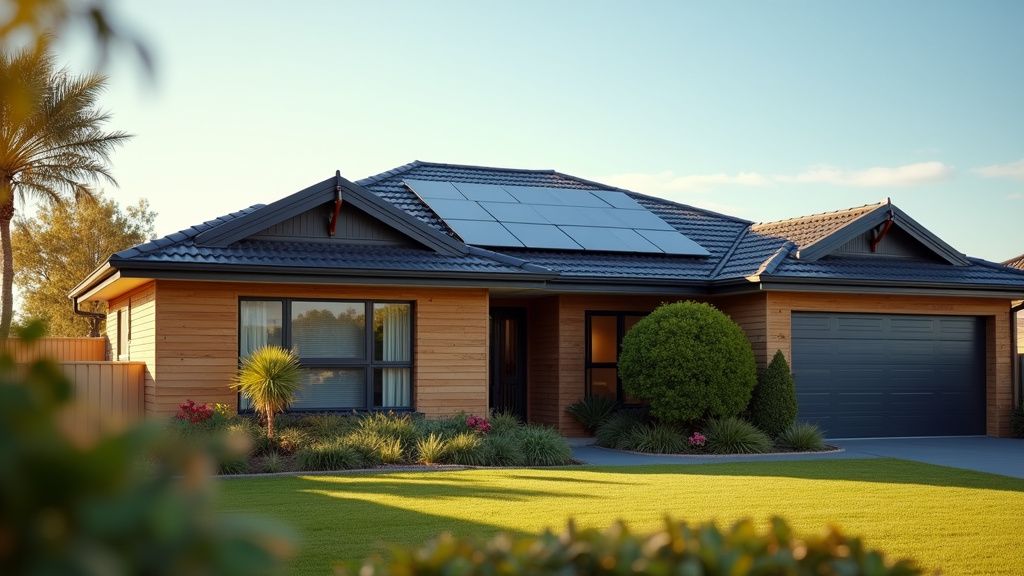
Think of it this way: your rooftop solar panels capture the sun's energy, which is then stored in your battery. This stored energy powers your home in the evenings and on cloudy days, directly displacing electricity that would otherwise be generated by fossil fuels.
This translates to lower carbon emissions. The more households that adopt solar and battery storage, the less pressure there is on fossil fuel-powered power plants, which contributes to cleaner air and a healthier environment.
Furthermore, batteries enhance the stability and efficiency of the grid. Through Virtual Power Plants (VPPs), your battery can connect to other home batteries and act as a single power plant, collectively sending excess power back to the grid at peak times. VPPs can optimize energy generation, storage and use, and reduce the need for expensive grid-scale storage investments.
The Not-So-Good News: Manufacturing and Disposal
While home battery systems offer substantial environmental benefits, it's crucial to acknowledge their environmental footprint. The life cycle of a battery, from the extraction of raw materials to its eventual disposal, has environmental implications.
The most common type of home battery uses lithium-ion technology. Lithium mining and processing can have environmental impacts, including water depletion, habitat destruction, and pollution. The manufacturing process also requires energy and resources.
Then there's the issue of disposal. Batteries contain materials that can be harmful to the environment if not disposed of properly. Recycling battery components is a complex process, and while recycling infrastructure is improving, it's not yet perfect.
Maximising the Environmental Benefits
Despite these challenges, the overall environmental impact of home battery systems is generally positive, especially when coupled with responsible manufacturing and recycling practices. Here's how you can make your home battery system even more environmentally friendly:
- Choose a reputable manufacturer: Research battery manufacturers that prioritize sustainable sourcing and ethical labor practices. Look for companies with robust environmental certifications and transparent supply chains.
- Consider battery chemistry: While lithium-ion is currently the dominant technology, other battery chemistries, such as lithium iron phosphate (LFP), are emerging as potentially more environmentally friendly alternatives.
- Prioritize proper installation and maintenance: Proper installation and regular maintenance can extend the life of your battery, reducing the need for premature replacement.
- Recycle responsibly: When your battery reaches the end of its life, ensure it is recycled through a reputable program. The Australian Battery Recycling Initiative (ABRI) provides information on battery recycling options.
- Consider joining a VPP: Participate in a Virtual Power Plant to maximize the benefits of your home battery to the grid, and share clean energy with your community.
The Financial Incentive
Beyond the environmental benefits, installing a home battery system can also save you money. By reducing your reliance on grid electricity, you can significantly lower your power bills. The savings from using self-generated and stored solar power can almost double, as compared to having solar alone.
Currently, for a typical Australian home, a battery will set you back between $10,000 and $13,000, and smaller batteries start around $4,000. The good news is that prices are falling, as technology and economies of scale improve. The payback period is also decreasing, meaning it takes less time to recoup your investment through savings on your electricity bills. Government rebates and incentives can further reduce the upfront cost and accelerate the payback period. The average payback period on a home battery in Australia was around 8.3 years in 2024.
The Verdict: A Sustainable Step Forward
Home battery systems are not a silver bullet for environmental sustainability, but they represent a significant step in the right direction. By reducing reliance on fossil fuels, promoting energy independence, and supporting grid stability, they contribute to a cleaner, more sustainable energy future for Australia.
As battery technology continues to evolve and recycling infrastructure improves, the environmental benefits of home battery systems will only increase. By making informed choices and adopting responsible practices, you can harness the power of solar and storage to power your home and protect our planet.
