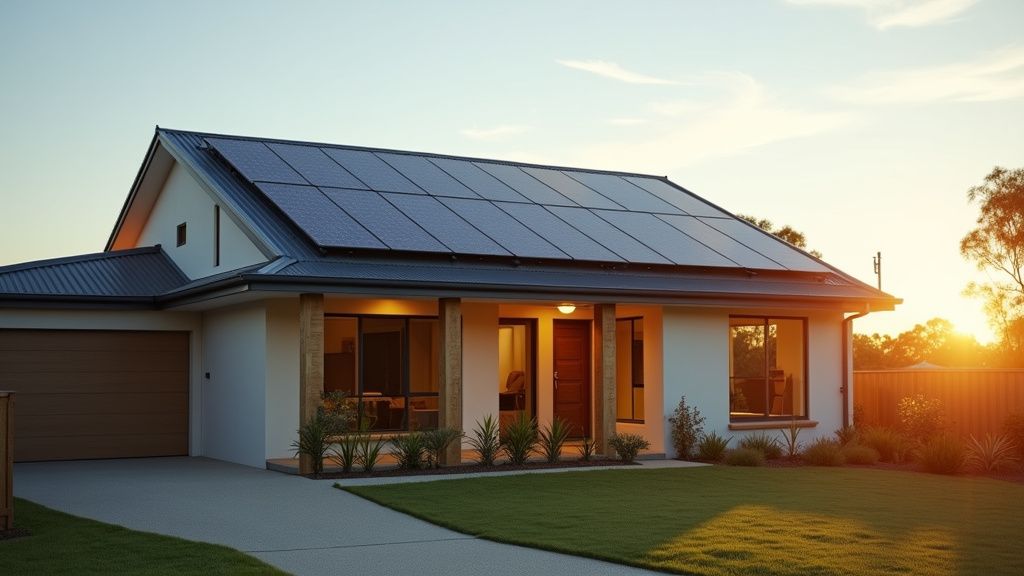
Supercharge Your Solar: Why Inverter Oversizing is a Smart Move for Aussies
Thinking about going solar, or already have a system? There's a clever trick that many Australians are using to maximise their solar energy production and savings: inverter oversizing. It might sound a bit technical, but the concept is simple, and the benefits can be significant. Let's dive in! And be sure to check out our Complete Guide to learn more about the details of the 133% rule!
What is Inverter Oversizing?
In simple terms, inverter oversizing means installing solar panels with a combined wattage that's higher than the rated wattage of your inverter. For example, you might pair a 6kW solar panel array with a 5kW inverter. The "oversizing" refers to the ratio between the panel capacity and the inverter capacity.
Traditionally, solar systems were often installed with the panel capacity closely matching the inverter capacity. This approach aimed to minimise any potential power clipping, where the inverter couldn't handle all the energy produced by the panels at peak times. However, advancements in technology and a better understanding of real-world solar performance have shown that oversizing can actually be a more efficient and cost-effective approach.
Think of it like this: your solar panels are the engine, and the inverter is the gearbox. Oversizing is like having a slightly bigger engine – it might occasionally produce more power than the gearbox can handle, but most of the time, it's running more efficiently.
The Benefits of Oversizing: Why It's a Winner Down Under
So, why should you consider oversizing your solar inverter? Here are a few key advantages:
- Increased Energy Production: Solar panels rarely operate at their full rated capacity. Factors like shading, cloud cover, temperature, and the angle of the sun can all reduce their output. By oversizing, you capture more sunlight during suboptimal conditions, resulting in higher overall energy production throughout the day and year. This is especially beneficial in Australia, where we experience varied weather patterns.
- Improved Inverter Efficiency: Inverters operate most efficiently when they're running closer to their full capacity. When the panels are undersized relative to the inverter, the inverter can spend more time operating at lower, less efficient levels. Oversizing helps the inverter run closer to its sweet spot for longer periods, boosting overall system efficiency.
- Maximising Self-Consumption: By generating more solar energy, you can increase your self-consumption – the amount of solar power you use directly in your home or business. This reduces your reliance on grid electricity, lowering your power bills and increasing your energy independence.
- Navigating Grid Connection Limits: Many Australian households and businesses face restrictions on the size of inverter they can connect to the grid. Oversizing allows you to install a larger panel array within those inverter size limits, effectively getting more bang for your buck within the regulatory framework. For instance, if you are limited to a 5kW inverter, oversizing allows you to have a larger panel capacity generating more power.
- Cost Savings: While the initial cost of a larger solar panel array will be slightly higher, the increased energy production and reduced reliance on grid electricity can lead to significant long-term cost savings. You may also benefit from government incentives and rebates.
The 133% Rule: Staying Within the Lines
It's crucial to understand that there are limits to how much you can oversize your inverter and still be eligible for government incentives like the Small-scale Technology Certificates (STCs), which reduce the upfront cost of your solar system.
Currently, Australian regulations generally allow for a maximum DC to AC ratio of 133%. This means that the total capacity of your solar panels can be up to 133% of the inverter's rated capacity. Going over this limit can result in losing eligibility for STCs, which can significantly increase the upfront cost of your system.
Example:
- Inverter Size: 5kW
- Maximum Panel Capacity: 5kW x 1.33 = 6.65kW
In this example, you could install up to 6.65kW of solar panels with a 5kW inverter and still receive the solar rebate.
Important Note: This "133% rule" can vary depending on the state and specific regulations. Always consult with a qualified solar installer to ensure your system design complies with all applicable requirements.
Is Inverter Oversizing Right for You?
Inverter oversizing is a smart strategy for many Australian solar installations. However, the optimal level of oversizing depends on a variety of factors, including:
- Your energy consumption patterns
- Your roof orientation and shading
- Local grid connection rules
- Your budget
A reputable solar installer can assess your specific needs and design a system that maximises your energy production and savings while staying within the bounds of the 133% rule and local regulations.
By understanding the benefits of inverter oversizing, you can make informed decisions about your solar investment and unlock the full potential of solar energy for your home or business.
