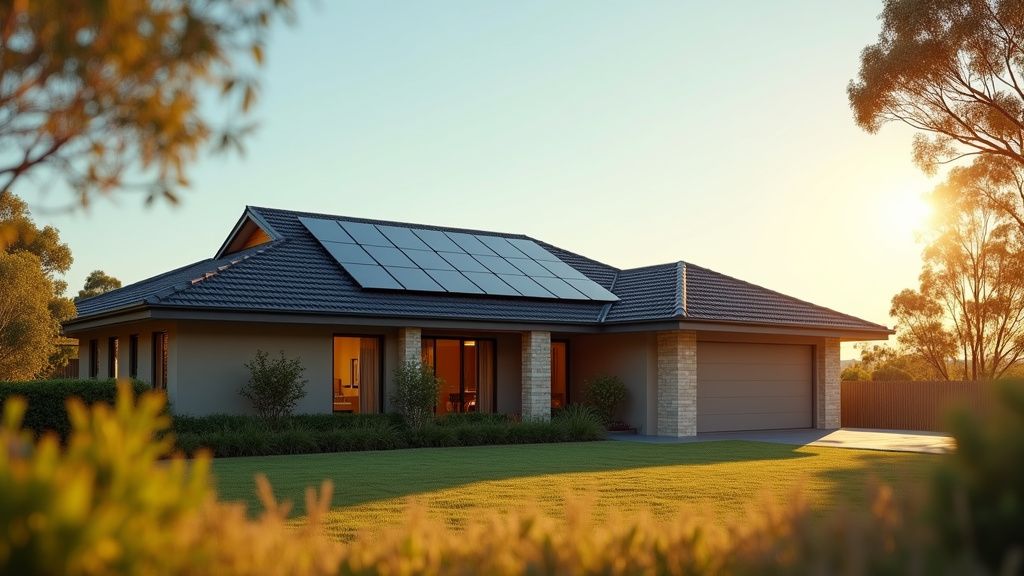
Solar Energy Opportunities and Considerations Explored
Australia, the land of sunshine, presents a unique opportunity to lead the world in solar energy adoption. With abundant sunlight across our vast landscapes, we have the potential to revolutionize how we power our homes, businesses, and communities. As the global push for renewable energy intensifies, understanding the possibilities – and the practicalities – of solar power is more crucial than ever for Australians. Before investing in any solar panel systems, read our Complete Guide to fully understand all your options.
The Power of the Sun: How Solar Energy Works
Solar energy, at its core, is about converting the sun’s radiant light and heat into usable electricity or heat. The most common method involves photovoltaic (PV) technology, better known as solar panels. These panels use semiconductor materials, typically silicon, to directly convert sunlight into electricity. When sunlight strikes the panel, it excites electrons within the silicon, generating an electrical current. This clean and efficient process forms the backbone of solar power generation.
Why Choose Solar? The Benefits for Australia
The advantages of embracing solar energy are numerous, offering both environmental and economic benefits:
- Renewable and Sustainable: Solar power is a renewable resource, unlike finite fossil fuels. By transitioning to solar, we reduce our dependence on non-renewable sources and contribute to a more sustainable future.
- Clean and Emission-Free: Solar energy production is inherently clean, producing no greenhouse gas emissions or air pollutants during operation. This significantly reduces our carbon footprint and improves air quality.
- Energy Independence: Solar empowers individuals and communities to generate their own electricity, increasing energy independence and shielding them from volatile energy prices.
- Economic Growth: The solar industry fosters job creation and stimulates economic growth through manufacturing, installation, maintenance, and research and development.
Australia’s Solar Potential: A Land of Opportunity
Australia possesses some of the highest levels of solar irradiance globally, making it an ideal location for solar energy generation. Regions like the Northern Territory, Queensland, Western Australia, and South Australia receive particularly abundant sunshine throughout the year, making them prime areas for solar projects.
However, it's important to acknowledge that solar irradiance varies across the country due to factors like latitude, climate, and topography. For instance, while northern regions receive intense sunlight year-round, southern regions may experience lower levels, particularly during winter months. Understanding these regional differences is crucial for optimizing solar system design and performance.
Types of Solar Power Systems: Finding the Right Fit
Solar power systems come in various configurations to suit different needs and circumstances:
- Grid-Tied Systems: These systems are connected to the main electricity grid, allowing you to draw power from the grid when your solar panels aren't generating enough electricity (e.g., at night) and to sell excess electricity back to the grid during sunny periods. This is the most common type of solar system for residential and commercial properties in Australia.
- Off-Grid Systems: Also known as stand-alone power systems (SAPS), these systems are not connected to the grid and rely solely on solar power and battery storage. They are typically used in remote areas where grid access is unavailable or unreliable. These require careful planning and sizing to ensure a reliable power supply.
- Hybrid Systems: These systems combine solar power with other energy sources, such as diesel generators or wind turbines, and typically include battery storage. Hybrid systems offer a balance of reliability and sustainability, suitable for applications where a constant power supply is critical.
Considerations for Going Solar in Australia
Before investing in solar, there are several important factors to consider:
- Energy Consumption: Assess your current energy usage to determine the appropriate size of your solar system.
- Roof Orientation and Shading: Optimize panel placement to maximize sunlight exposure. Avoid areas with significant shading from trees or buildings.
- Budget and Incentives: Solar panel systems costs vary considerably. The average cost for a 6.6kW solar panel system in Australia ranges from $4,000 to $8,000, after any available rebates. Explore available government incentives and rebates to reduce the upfront cost. For example, the Small-scale Renewable Energy Scheme (SRES) provides financial incentives for installing small-scale renewable energy systems.
- Installation and Maintenance: Engage a reputable and accredited solar installer to ensure proper installation and ongoing maintenance of your system. Regular maintenance, including cleaning and inspections, is essential for optimal performance.
- Battery Storage: Consider adding battery storage to your system to store excess solar energy for use when the sun isn't shining. This increases energy independence and can reduce reliance on the grid. While battery systems add to the initial cost, they can provide significant long-term savings.
Maximising Solar Energy Efficiency
To get the most out of your solar investment, it's crucial to maximise energy efficiency:
- Keep panels clean and free from debris.
- Minimize shading from nearby objects.
- Monitor system performance for timely maintenance.
- Consider integrating battery storage.
- Schedule regular professional maintenance checks.
- Stay informed about solar technology advancements.
By carefully considering these opportunities and considerations, Australians can harness the power of the sun to create a cleaner, more sustainable, and economically prosperous future.
