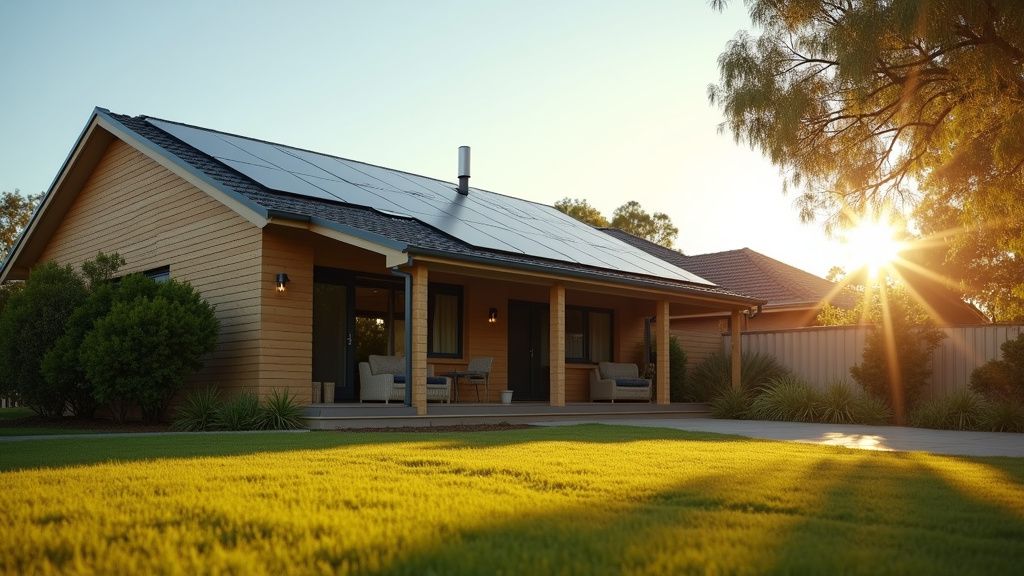
Solar Curtailment: Are We Wasting Renewable Energy in Australia?
Australia is a world leader in rooftop solar adoption, with over a third of households harnessing the sun's power. But are we making the most of this clean energy source? A growing problem known as "solar curtailment" is raising serious questions about whether we're wasting valuable renewable energy.
If you're keen to delve deeper into Australia's broader energy transformation and solar power leadership, be sure to check out our Complete Guide.
So, what exactly is solar curtailment? In simple terms, it's the deliberate reduction of solar energy output, even when the sun is shining and power could be generated. This happens for two main reasons: either the electricity grid can't handle the influx of power, or the market conditions make it uneconomical to generate it. Regardless of the cause, the result is the same: perfectly good, clean energy goes unused.
Why is Curtailment Happening in Australia?
Australia's rapid uptake of rooftop solar has outpaced the necessary upgrades to our electricity grid. Our existing grid infrastructure wasn't designed to handle the flow of electricity from millions of small, decentralised solar systems. It was built for a one-way flow, from large power stations to homes and businesses.
Think of it like this: imagine a two-lane road suddenly having hundreds of extra cars trying to merge onto it at various points. It creates congestion and bottlenecks. Similarly, the intermittent nature of solar power, with its peaks and troughs depending on sunlight, causes voltage and frequency fluctuations that can destabilise the grid.
During peak sunlight hours, especially around midday, many households generate more electricity than they consume. This excess power is fed back into the grid, creating a two-way flow in a system designed for one-way traffic. This can overload local transformers and power lines, leading to potential blackouts and damage.
These technical challenges are compounded by market and regulatory hurdles. The grid often lacks the advanced control systems and real-time data needed to manage the output of numerous small-scale solar generators effectively. This leads to complex connection processes and delays for new solar installations. Furthermore, current electricity pricing structures and regulations are still evolving to properly reflect the costs and benefits of distributed solar generation.
Regions like South Australia and Western Australia, with high solar penetration and significant grid constraints, are particularly affected by curtailment.
How Much Energy Are We Losing?
The numbers are concerning. On average, Australian households with solar panels lose around 1.5% of the energy they generate due to network constraints. However, in some areas, this figure can be as high as 25%. For large-scale solar farms, the situation is even more acute. In October 2023, utility-scale solar systems experienced approximately 8% curtailment. Considering these systems only achieved a 22% capacity factor, it means there was roughly three times more energy lost than energy produced.
The Economic and Social Costs
Curtailment isn't just about wasted energy; it has significant economic and social consequences:
- Lost Revenue for Solar Households: Homeowners with solar panels miss out on potential income from selling excess electricity back to the grid. They may also face higher electricity bills because they still need to rely on grid power when their solar system isn't generating.
- Discouraged Investment: High curtailment rates can deter potential investors in new renewable energy projects, slowing down the transition to a cleaner energy future.
- Erosion of Public Support: As curtailment increases electricity bills for solar customers, public support for future solar projects may decline if adequate grid infrastructure isn't in place.
What Can Be Done?
The good news is that solutions exist. We need to create a more flexible and responsive power system that can handle the increasing influx of renewable energy:
- Energy Storage (Batteries): Batteries are a game-changer. By storing excess solar energy during peak generation times and releasing it when demand is high, batteries significantly reduce curtailment. Solar systems paired with batteries experience far less curtailment than standalone systems. Government incentives, such as increased feed-in tariffs or grants for hybrid solar and battery systems, can encourage wider adoption.
- Grid Upgrades: Investing in modernising our transmission infrastructure is crucial. This includes upgrading power lines, transformers, and control systems to handle the bidirectional flow of electricity and improve grid stability.
- Advanced Control Systems: Implementing sophisticated grid management systems with real-time visibility into the output of distributed solar generators will allow for better coordination and reduced curtailment.
- Energy Management Systems and Virtual Power Plants: These technologies can aggregate and manage distributed energy resources, creating virtual power plants that can respond quickly to changes in demand and supply.
- Predictive Analytics: Software that uses data to predict energy generation and demand can help optimise battery performance and grid operations, further reducing curtailment.
The Path Forward
Australia has the potential to be a renewable energy superpower. But to realise this potential, we must address the issue of solar curtailment head-on. By investing in grid upgrades, promoting energy storage, and implementing smarter grid management systems, we can ensure that we're not wasting valuable renewable energy and that all Australians can benefit from a cleaner, more sustainable energy future. It's time to stop leaving all that lovely sunshine on the table.
