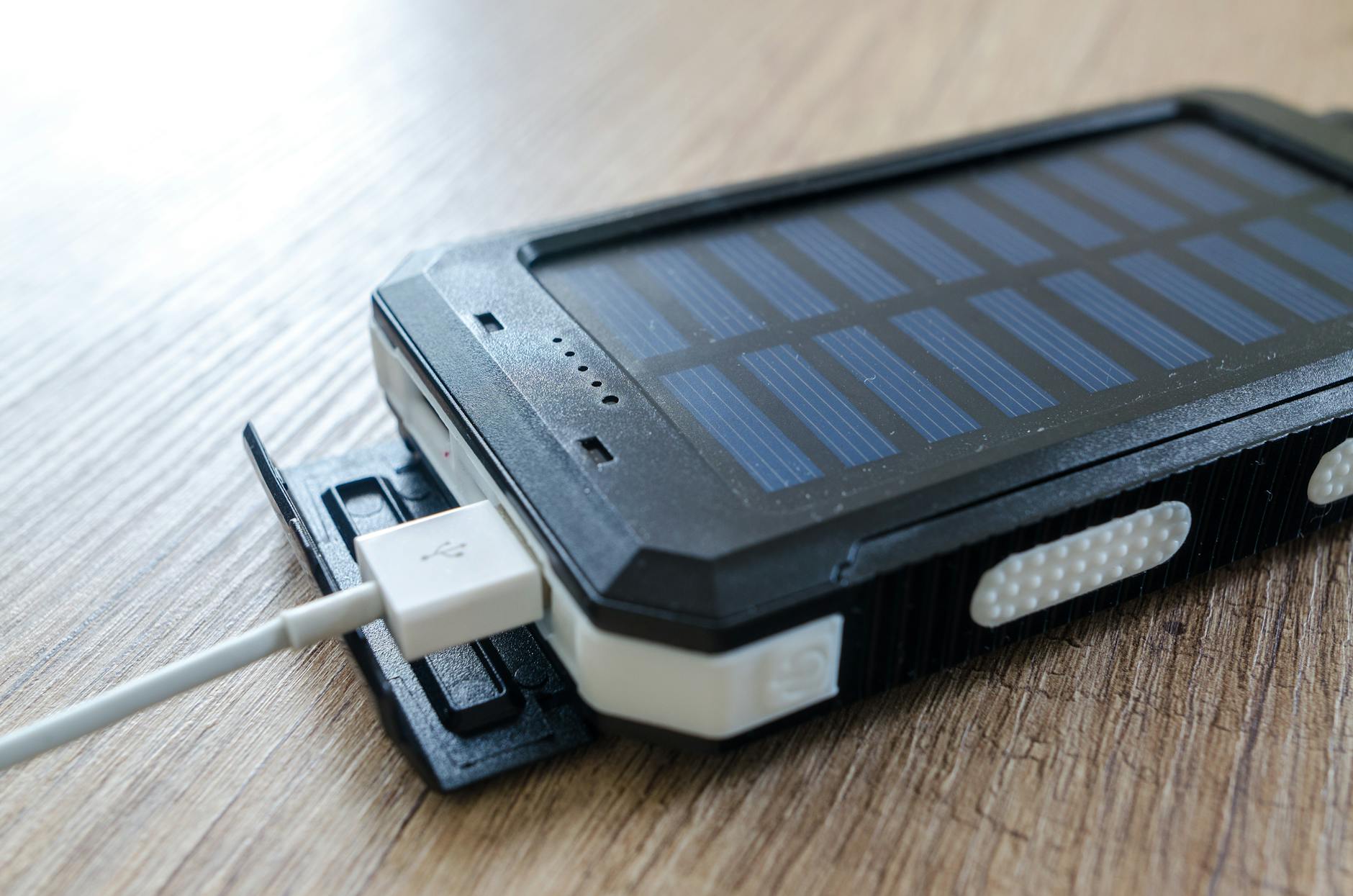
Power Up Your Future: A 2025 Guide to Home Solar Batteries in Australia
Are you ready to take your home solar system to the next level? In 2025, solar battery technology is more accessible and efficient than ever before. Adding a battery allows you to store excess solar energy generated during the day and use it at night, during peak demand, or even during a blackout. This guide will help you navigate the world of residential solar batteries and make an informed decision for your home. For a deeper dive into specific kilowatt recommendations, check out our Complete Guide.
Why Consider a Solar Battery in 2025?
The benefits of adding a solar battery to your existing (or new) solar system are numerous:
- Energy Independence: Reduce your reliance on the grid and become more self-sufficient, especially crucial with fluctuating electricity prices.
- Reduced Energy Bills: Store solar energy and use it during peak hours when electricity costs are highest, minimising your grid usage and saving money.
- Backup Power: Enjoy uninterrupted power during blackouts. A battery can keep essential appliances running, providing peace of mind.
- Increased Solar Usage: Avoid exporting excess solar energy back to the grid at low feed-in tariffs. Use more of the power you generate.
- Environmental Benefits: Reduce your carbon footprint by using clean, renewable energy even when the sun isn't shining.
Key Factors to Consider When Choosing a Solar Battery:
Choosing the right battery for your needs involves careful consideration of several factors:
- Battery Capacity (kWh): This is the amount of energy the battery can store. A larger capacity battery can power your home for longer periods. Estimate your daily energy consumption and factor in your desired backup power needs. As a general guideline, consider the number of people living in your home and their typical energy habits.
- Power Output (kW): This is the rate at which the battery can deliver energy. Ensure it's sufficient to run your essential appliances simultaneously. Consider peak load appliances like air conditioners, ovens and electric hot water systems.
- Depth of Discharge (DoD): This refers to the percentage of the battery's capacity that can be used. A higher DoD means you can utilise more of the stored energy. Batteries with higher DoD tend to be more expensive, but also more efficient.
- Battery Type: Lithium-ion batteries are the most common type for residential solar storage. They offer high energy density, long lifespan, and good performance. Lithium Iron Phosphate (LiFePO4) batteries are gaining popularity due to their increased safety and longevity. Lead-acid batteries are a cheaper option, but they have a shorter lifespan and lower DoD.
- Lifespan and Warranty: Check the battery's warranty period and the number of cycles it's expected to last. A cycle refers to a complete charge and discharge of the battery. Reputable manufacturers offer warranties of 10 years or more.
- Inverter Compatibility: Ensure the battery is compatible with your existing solar inverter or factor in the cost of a hybrid inverter. Hybrid inverters handle both solar PV and battery storage.
- Installation Costs: Factor in the cost of installation, which can vary depending on the complexity of the installation and the electrician's rates.
- Price: Solar battery prices have been steadily decreasing, but they are still a significant investment. Research and compare prices from different suppliers. Government rebates and incentives can help offset the cost.
Australian Pricing and Rebates (2025):
As of 2025, expect to pay anywhere from $8,000 to $15,000 for a typical residential solar battery system (5-10kWh) including installation. This figure can vary based on brand, features, and installation complexity.
Fortunately, there are several government rebates and incentives available across Australia to help homeowners reduce the upfront cost of solar batteries. These incentives vary by state and territory, so it's essential to research what's available in your area. For example, some states offer upfront rebates on the purchase and installation of batteries, while others offer subsidies based on the amount of energy stored or discharged. Check your state government's energy website for details on available schemes.
Example Scenario:
Imagine a household in Brisbane with a 6.6kW solar system and high afternoon/evening energy consumption (air conditioning, cooking). A 10kWh battery would allow them to store excess solar energy generated during the day and use it to power their home during peak evening hours, significantly reducing their reliance on the grid. Factoring in Queensland's potential battery rebate, the investment becomes even more attractive.
The Future of Solar Batteries:
The solar battery market is constantly evolving, with new technologies and improvements emerging regularly. Expect to see advancements in battery chemistry, energy density, and smart energy management systems in the coming years. These advancements will make solar batteries even more efficient, reliable, and affordable, paving the way for a more sustainable energy future.
Making the Right Decision:
Investing in a solar battery is a significant decision. Take the time to research your options, compare prices, and consult with qualified solar installers. Consider your energy consumption patterns, budget, and long-term energy goals. By carefully considering these factors, you can choose a solar battery system that will provide reliable backup power, reduce your energy bills, and help you contribute to a cleaner environment. Embrace the future of energy – your home powered by the sun, stored for when you need it most.
