Solar Battery Basics: Understanding Battery Storage for Aussie Homes
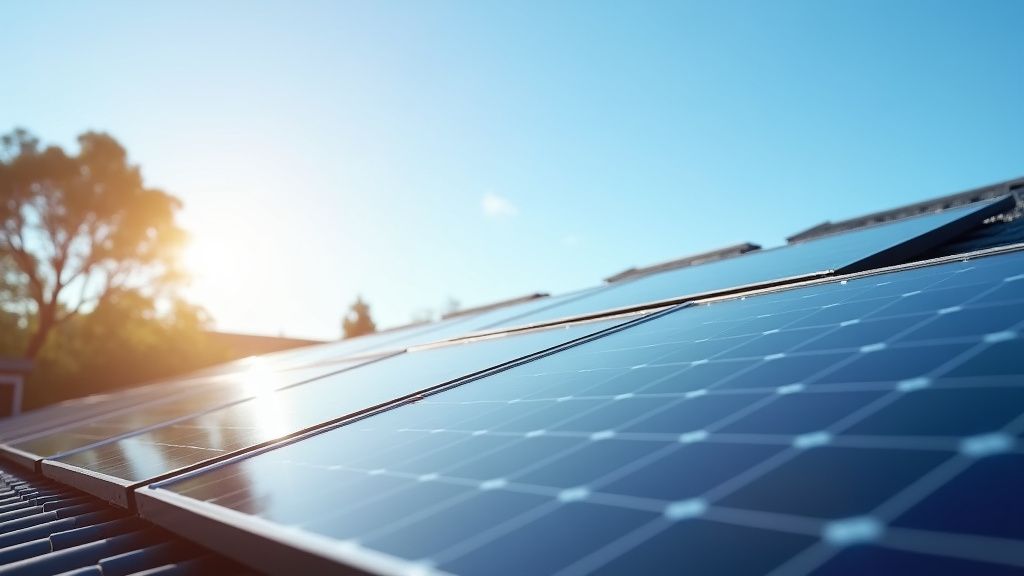
G'day, solar enthusiasts! If you've got solar panels on your roof, you're already winning at slashing your electricity bills and reducing your carbon footprint. But are you squeezing every last drop of value from that sunshine? This is where solar batteries come in. They're not just a fancy add-on; they're a game-changer for energy independence.
Thinking about diving deeper? Check out our Complete Guide to learn more about battery longevity and maximising your investment.
Why Bother with Batteries?
Okay, so you're generating power from the sun. Great! But what happens when the sun goes down, or it's a cloudy day? Typically, you draw power from the grid, which means you're back to paying electricity bills.
Solar batteries allow you to store the excess energy your panels generate during the day and use it later, whenever you need it. Think of it as your own personal power bank for your home. This means:
- Reduced Electricity Bills: Less reliance on the grid equates to lower power bills, especially during peak hours when electricity prices are highest.
- Energy Independence: Become less reliant on your electricity provider and insulate yourself from future price hikes.
- Backup Power: During a blackout, a solar battery (if properly configured) can keep essential appliances running, providing you with peace of mind.
- Environmental Benefits: By using more of your self-generated solar power, you further reduce your reliance on fossil fuel-based energy sources.
The Nuts and Bolts: Battery Types
Not all batteries are created equal. Here's a quick rundown of the most common types:
- Lithium-ion (Li-ion): This is the most popular type of solar battery on the market today, and for good reason. Li-ion batteries offer high energy density, meaning they can store a lot of power in a relatively small space. They also have a longer lifespan compared to other technologies. While they come at a higher initial cost, their performance and longevity often make them a worthwhile investment. Expect to pay upwards of $8,000 for a decent sized lithium-ion battery system installed.
- Lead-Acid: These were the traditional choice for battery storage, and while they're generally cheaper than Li-ion, they come with some drawbacks. They have a shorter lifespan, lower depth of discharge (meaning you can't use all the stored energy without damaging the battery), and require more maintenance. While cheaper upfront, the total cost of ownership can be higher in the long run. They are becoming less common in new solar installations.
Key Considerations When Choosing a Battery
Before you rush out and buy the first battery you see, consider these factors:
- Capacity (kWh): This refers to the amount of energy the battery can store. Choose a capacity that matches your energy consumption patterns. Analyze your daily usage to determine how much power you need to store to cover your nighttime or cloudy day needs.
- Power (kW): This is the rate at which the battery can deliver energy. A higher power rating means you can run more appliances simultaneously. Ensure it's sufficient to power your essential appliances during peak demand.
- Depth of Discharge (DoD): This indicates the percentage of the battery's capacity that can be used without damaging it. Li-ion batteries typically have a higher DoD than lead-acid. Aim for a higher DoD to maximise the usable energy.
- Lifespan: Batteries degrade over time as they are charged and discharged. Lifespan is usually measured in charge cycles or years. Consider the warranty and expected lifespan to estimate the long-term cost of ownership.
- Warranty: A good warranty is crucial. Look for warranties that cover performance and degradation over a specific period.
- Installation: Battery installation is not a DIY job. It requires a qualified electrician experienced in solar battery systems. Factor in installation costs when comparing different options.
Australian Incentives and Rebates
The good news is that various Australian states and territories offer incentives and rebates to encourage the adoption of solar batteries. These programs can significantly reduce the upfront cost of your battery system. Research the specific schemes available in your state to see if you qualify. These can range from upfront rebates to interest-free loans.
Is a Solar Battery Right for You?
Solar batteries are an investment, and it's important to determine if they're a good fit for your needs. Consider the following:
- Your Energy Consumption: Do you have high energy usage during peak hours or at night?
- Your Solar Panel System Size: Is your solar system generating enough excess energy to charge a battery?
- Your Budget: Can you afford the upfront cost of a battery system?
- Your Location: Are you in an area with frequent power outages?
If you answered "yes" to most of these questions, a solar battery could be a smart investment that saves you money, provides energy independence, and helps the environment.
Getting Started
The best way to determine if a solar battery is right for you is to get a professional assessment from a qualified solar installer. They can evaluate your energy needs, assess your existing solar system, and recommend the best battery solution for your home.
So, do your research, get quotes from multiple installers, and take the first step towards unlocking the full potential of your solar panels!
