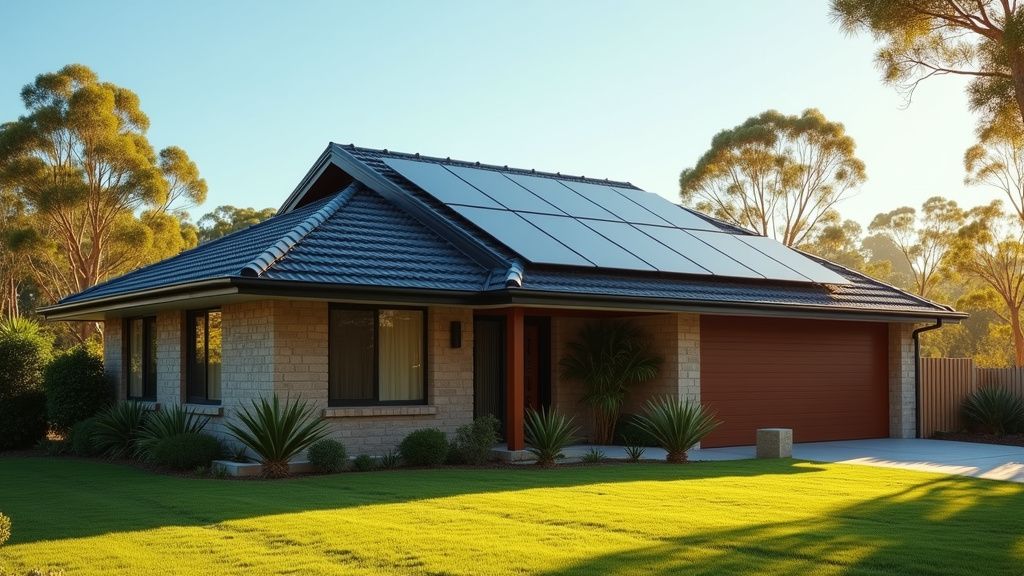
Solar Batteries and Power Outages: A Reliable Backup Solution for Aussies?
Power outages. No one likes them. Whether it's a summer storm knocking out the grid or scheduled maintenance leaving you in the dark, losing power can be a real inconvenience. But what if you could keep the lights on, the fridge running, and your devices charged, even when the grid goes down? That's where solar batteries come in.
Thinking about investing in a solar battery system? Check out our Complete Guide before you make a decision.
How Solar Batteries Can Help During Blackouts
Solar panels are fantastic for generating clean energy and reducing your electricity bills. However, most solar systems are connected to the grid, and for safety reasons, they automatically shut down during a power outage. This is a safety feature called "anti-islanding," preventing your system from feeding electricity back into the grid while technicians are working on it.
A solar battery, however, offers a way around this. When paired with a compatible solar inverter (either a hybrid inverter or a battery inverter), a battery can store excess solar energy generated during the day and discharge it to power your home when the grid is down. Essentially, it acts as a backup generator, but one that runs on clean, renewable energy.
Understanding Battery Backup Capabilities
It's important to understand that not all solar battery systems are created equal when it comes to backup power. Here's what you need to consider:
- Backup Configuration: Your battery system needs to be specifically configured for backup power. Discuss this clearly with your installer.
- Backup Capacity: The size of your battery and its discharge rate will determine how long it can power your home during an outage and what appliances it can run. A smaller battery might only be able to power essential circuits like lighting, refrigeration, and medical equipment, while a larger battery could potentially power your entire home.
- 3-Phase vs. Single-Phase: If your property has a 3-phase power supply, you may need to carefully consider how the battery backup is configured to ensure all phases receive power during an outage.
Maximising Your Battery During a Power Outage
Even with a backup battery, it's wise to conserve energy during a blackout. Consider the following:
- Prioritise Essential Appliances: Focus on powering critical appliances like refrigerators, medical equipment, and a few lights.
- Reduce Energy Consumption: Avoid using energy-intensive appliances like ovens, air conditioners, and washing machines until the grid is back online.
- Monitor Battery Levels: Keep an eye on your battery's state of charge and adjust your energy usage accordingly.
The Australian Government's Cheaper Home Batteries Program
The Australian Government recognises the value of home battery systems, not just for individual households, but also for the grid as a whole. That's why, starting July 1, 2025, they're launching the Cheaper Home Batteries Program. This program aims to make battery storage more accessible by providing a discount on the cost of installing a small-scale battery system for homes and businesses.
The program is an expansion of the existing Small-scale Renewable Energy Scheme (SRES) and will fully fund the discounts by purchasing small-scale technology certificates created for batteries. To be eligible, the battery system must be Clean Energy Council accredited and listed on the CEC's approved products list.
Additionally, on-grid battery systems under this program will need to have Virtual Power Plant (VPP) capability, enabling them to be coordinated with other solar and battery systems to act as a single power source and share energy.
Is a Solar Battery Right for You?
Deciding whether to invest in a solar battery depends on your individual circumstances. Here are some factors to consider:
- Frequency of Power Outages: If you live in an area with frequent or prolonged power outages, a battery is a worthwhile investment.
- Energy Consumption: Assess your energy needs and determine the appropriate battery size to meet your backup power requirements.
- Budget: Solar batteries can be a significant investment. Consider the upfront cost, potential savings on energy bills, and any government incentives available.
- Excess Solar Generation: A battery is most beneficial if you have a solar system that generates excess electricity that can be stored.
It's recommended that you consult with a qualified solar retailer or installer experienced in designing resilient systems to assess your needs and recommend the best solution. They can help you choose the right battery size, configuration, and features to ensure you have reliable backup power when you need it most.
By understanding the capabilities of solar batteries and carefully considering your individual needs, you can determine if they are a reliable backup solution for your home in Australia. Remember to leverage resources like the Complete Guide and government programs to make an informed decision.
