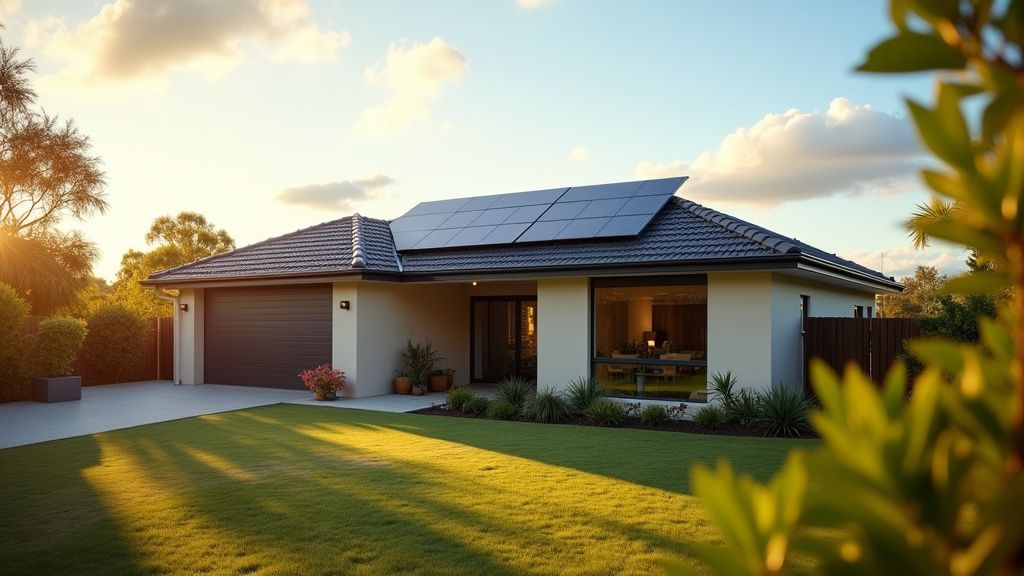
Should You Invest in Solar Panels? An Australian Guide
Thinking about going solar? You're not alone. Rooftop solar is booming in Australia, with many households and businesses looking to harness the power of the sun to reduce their electricity bills and their carbon footprint. But is investing in solar panels the right choice for you? This blog post, brought to you by SolarInsights, will delve into the key considerations to help you make an informed decision. For further detailed information and to help solidify your decision read our Complete Guide.
The Allure of Solar: Why Are So Many Australians Making the Switch?
Australia's abundant sunshine makes it an ideal location for solar energy. The rise in popularity is understandable. Rooftop solar systems offer the potential to:
- Reduce Electricity Bills: By generating your own electricity, you can significantly decrease your reliance on the grid and lower your monthly power costs.
- Reduce Your Carbon Footprint: Solar energy is a clean, renewable resource, helping to reduce your reliance on fossil fuels and minimise your environmental impact.
- Increase Your Home's Value: Studies suggest that homes with solar panels can be more attractive to buyers and potentially command a higher sale price.
The Upfront Investment: What Does it Cost?
While the long-term benefits of solar are compelling, it's crucial to understand the initial investment. The cost of a solar panel system varies depending on several factors, including:
- System Size (kW): The larger the system, the more it will cost. A typical 5.5kW system for a home in Australia can range from around $3,500 to $9,500 installed, while larger systems can reach $15,000 or more.
- Panel and Inverter Brand: Different brands offer varying levels of efficiency, warranty, and price.
- Installation Complexity: Factors like roof type, accessibility, and the complexity of electrical work can impact the installation cost.
It is important to get multiple quotes from different installers to get the best price and understand the options available.
Is Solar Right for Your Energy Usage?
A solar system's effectiveness hinges on how well it aligns with your energy consumption patterns. Here are key questions to ask:
- When Do You Use the Most Electricity? Solar panels generate power during daylight hours. If you primarily use electricity at night, you might not see as much benefit without battery storage.
- How Much Electricity Do You Use? A system needs to be appropriately sized to meet your energy needs. If your consumption is very high, a larger (and more expensive) system will be necessary.
- Can You Shift Your Usage? Consider shifting energy-intensive activities, like laundry or dishwashing, to daylight hours when your solar panels are generating power.
If your energy usage is heavily concentrated at night, or if you can't readily shift your usage patterns, carefully consider whether solar is the best option or explore other approaches to reduce your energy costs. Time of Use tariffs may also be worth exploring.
Maximising Your Solar Investment: Key Considerations
- Choose the Right Installer: Select a reputable and experienced installer. Look for Clean Energy Council (CEC) accreditation and check online reviews. Be wary of companies promising "zero electricity bills," as you will still have daily supply charges and usage charges when the sun isn't shining.
- Panel Placement: Optimal panel placement is crucial. Panels should be positioned to maximise sun exposure throughout the day.
- Consider Battery Storage: A battery allows you to store excess solar energy generated during the day and use it at night or on cloudy days, further reducing your reliance on the grid. While adding to the upfront cost, batteries can significantly enhance the value of a solar system.
- Monitor Your System's Performance: Some systems come with monitoring apps that allow you to track energy production and consumption. This data can help you optimise your energy usage and ensure your system is performing efficiently.
Exploring Battery Options
For those looking to maximise their solar investment, battery storage is an increasingly popular option. Batteries store excess solar energy, allowing you to use it when the sun isn’t shining. This is particularly beneficial for households with high evening or nighttime electricity consumption. Storing excess energy also reduces the amount of electricity you export back to the grid, potentially increasing your overall savings.
The Verdict: Is Solar a Smart Investment?
For many Australian homeowners and businesses, investing in solar panels is a financially and environmentally sound decision. By carefully assessing your energy usage, choosing the right system and installer, and potentially incorporating battery storage, you can unlock the full potential of solar power and enjoy lower electricity bills, a smaller carbon footprint, and a more sustainable future. However, it is essential to conduct thorough research, obtain multiple quotes, and understand the factors that influence the cost and performance of a solar system.
