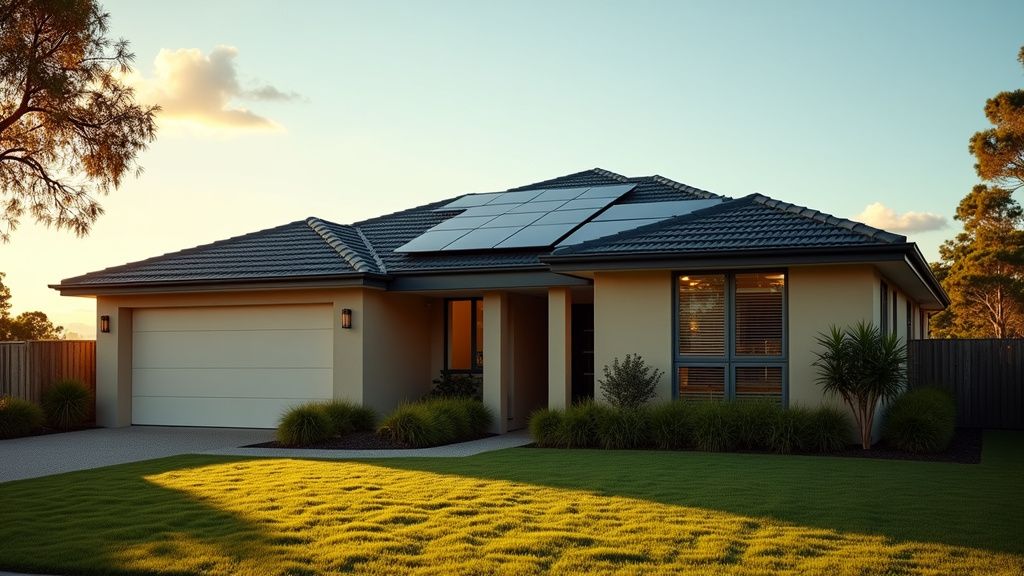
Rooftop Solar: Powering Your Home, Transforming Our Grid – But What's the Catch?
Australia's love affair with rooftop solar is undeniable. Millions of Aussie households have embraced the sun's power, slashing their electricity bills and contributing to a greener future. But this solar revolution is also having a profound impact on our local electricity networks, and it's not all sunshine and rainbows. Before diving in, if you're interested in a deeper dive into some of the challenges our residential grids face with high solar penetration, read our Complete Guide.
For years, electricity grids were designed for a one-way flow of power: from large power stations to our homes. Now, with rooftop solar, power is flowing in the opposite direction, and often intermittently. This fundamentally changes the game, presenting both opportunities and challenges.
The Good News: A Greener, More Affordable Energy Future
Let's start with the positives. Rooftop solar significantly reduces our reliance on fossil fuels, lowering carbon emissions and helping Australia meet its climate targets. Homeowners with solar panels can dramatically reduce or even eliminate their electricity bills, especially with feed-in tariffs that pay them for the excess energy they send back to the grid. This means more money in your pocket and less reliance on volatile global energy markets.
In some areas, the increased solar generation during peak daylight hours helps to lower wholesale electricity prices, benefiting all consumers, even those without solar. This is because solar energy is often the cheapest source of electricity available when the sun is shining.
The Challenges: Grid Stability and Voltage Fluctuations
However, the rapid growth of rooftop solar is also creating some headaches for electricity network operators. One of the biggest challenges is maintaining grid stability. When solar generation fluctuates due to cloud cover or the time of day, it can cause voltage fluctuations on the local grid.
Imagine a street where everyone has solar panels. On a sunny day, all those panels are pumping electricity back into the grid. This can cause the voltage to rise above acceptable levels. If the voltage gets too high, it can damage appliances and even solar inverters. To protect the grid and equipment, inverters may be forced to shut down temporarily, reducing the amount of solar energy being fed back into the system. This phenomenon, sometimes referred to as "solar curtailment," means that some of the potential benefits of rooftop solar are being lost.
Another challenge is managing the uneven distribution of solar generation. Some neighbourhoods have a much higher concentration of solar panels than others, which can lead to localized grid congestion and voltage problems.
The Costs: Upgrading Infrastructure and Managing Demand
To accommodate the increasing amount of rooftop solar, electricity networks need to invest in upgrades. This can include replacing old transformers, reinforcing power lines, and installing smart grid technologies that can better manage the flow of electricity. These upgrades are costly and ultimately impact electricity prices for everyone.
Furthermore, the rise of rooftop solar is changing the way we use electricity. During the day, demand for grid electricity is lower because many homes are generating their own power. But in the evening, when the sun goes down, demand spikes as everyone switches on their lights and appliances. This "duck curve" phenomenon creates a challenge for grid operators, who need to find ways to meet the peak evening demand while maintaining grid stability.
What's Being Done? Solutions for a Solar-Powered Future
The good news is that network operators, regulators, and the solar industry are working together to address these challenges. Some of the solutions being explored include:
- Smart Inverters: These advanced inverters can actively manage voltage levels on the grid, helping to prevent fluctuations and maintain stability.
- Battery Storage: Home batteries allow households to store excess solar energy for use later, reducing their reliance on the grid and helping to smooth out demand peaks. Government rebates and incentives are often available to encourage battery adoption. For example, some states offer rebates ranging from $1,000 to $5,000 for eligible households.
- Demand Response Programs: These programs incentivize consumers to reduce their electricity consumption during peak demand periods, helping to alleviate stress on the grid.
- Grid Upgrades: Network operators are investing in upgrading infrastructure to accommodate the increasing amount of rooftop solar.
- Community Batteries: Shared battery systems at a neighbourhood level can provide grid support and store excess solar generation for multiple homes.
- Time-of-Use Tariffs: Encouraging consumers to use electricity during off-peak hours through adjusted tariffs.
The Future of Rooftop Solar in Australia
Rooftop solar is here to stay, and it will continue to play a vital role in Australia's energy transition. While there are challenges to overcome, the benefits of rooftop solar are undeniable. By investing in smart grid technologies, encouraging battery storage, and working together to manage demand, we can ensure that rooftop solar continues to power our homes and contribute to a cleaner, more sustainable future.
Before installing solar panels, consider discussing your needs with multiple installers to understand the best system size and inverter technology for your specific situation, and how it will interact with your local electricity network. Understanding the potential impact on your local network is as important as understanding the savings you'll see on your electricity bill.
