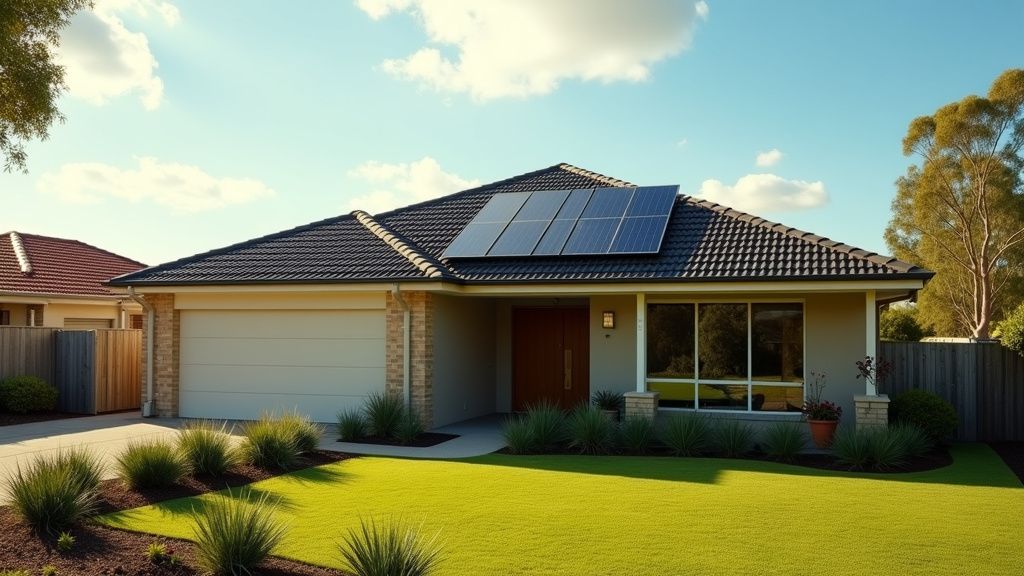
Solar Boomtowns, Voltage Blues: Understanding Reverse Power Flow in Aussie Suburbs
Australia has embraced rooftop solar like few other nations. Suburbs across the country sparkle with photovoltaic panels, a testament to our commitment to clean energy and lower power bills. But in some of the most solar-dense areas, a new challenge is emerging: reverse power flow, and the voltage issues that come with it. You might think having too much solar is a good problem to have, but it's creating headaches for network operators and potentially limiting the benefits for homeowners. To understand this in more detail, have a read of our Complete Guide.
For years, we've been told that rooftop solar is the future. And it is! However, the rapid uptake has exposed limitations in our existing electricity infrastructure. In suburbs that were early adopters of solar power, the sheer volume of electricity being pumped back into the grid during peak sunlight hours is causing problems.
Think of it like this: our power grids were designed as one-way streets. Large power stations generate electricity, and it flows down to our homes and businesses. But with rooftop solar, we've effectively created thousands of mini power stations, all feeding energy back "upstream." This "reverse power flow" is more than the grid was initially designed to handle.
The Baldivis Example: A Success Story with a Twist
Suburbs like Baldivis in Western Australia were once celebrated as model solar communities. A high percentage of homes sported solar panels, leading to lower bills and a smaller carbon footprint. However, the sheer success of solar in these areas has revealed a hidden issue. During the middle of the day, when many residents are at work, the solar panels are pumping out electricity, but local demand is low. This creates a surplus of power that overwhelms the local grid.
The Voltage Problem
All that excess power flowing back into the grid can cause voltage fluctuations. When too many houses are exporting power simultaneously, the voltage on the local distribution lines can rise above acceptable levels. This isn't just an inconvenience; it can damage appliances and, in some cases, even trigger inverters to shut down, meaning you lose the benefit of your solar generation.
Why Commuter Suburbs are Hit Hardest
The problem is particularly acute in commuter suburbs. These areas tend to have low electricity demand during the day, as most residents are at work or school. With fewer appliances running and air conditioners switched off, there's little local consumption to absorb the solar energy being generated. The result is a large-scale, synchronized export surge that puts immense strain on the grid.
What are the solutions?
- Feed-in Tariffs (FiTs) and Export Limits: One response to these issues has been to lower feed-in tariffs (the amount you get paid for exporting electricity) and impose stricter export limits. This is intended to reduce the amount of power flowing back into the grid and stabilize voltage levels. However, these changes can be frustrating for homeowners who invested in solar expecting to be rewarded for their surplus generation.
- Community Batteries: Another potential solution is community batteries. These larger-scale storage systems can absorb excess solar energy during the day and release it during peak demand periods, reducing the strain on the grid and improving voltage stability.
- Home Batteries: While rooftop batteries are helpful at an individual level, they may not always address the broader grid issues. A battery allows a home owner to store their own excess solar production, reducing the amount of power they export to the grid.
- Smarter Grid Management: Technologies like smart inverters and dynamic curtailment can also play a role. Smart inverters can adjust their output based on grid conditions, while dynamic curtailment allows network operators to remotely reduce the amount of power being exported from individual solar systems during periods of high voltage.
- Load Shifting: Consumers can use more of their own generated power by shifting loads. For example, schedule appliances like dishwashers and washing machines to run during the day. Electric vehicle charging can be scheduled to consume solar energy during generation hours.
Looking Ahead
The challenges of reverse power flow and voltage issues highlight the need for a more flexible and intelligent electricity grid. As more Australians embrace rooftop solar, we need to invest in infrastructure upgrades, smart grid technologies, and innovative solutions that can manage the flow of energy in both directions.
The future of solar in Australia is bright, but it requires a strategic approach to ensure that everyone can benefit from clean, affordable energy without compromising the stability and reliability of our electricity grid. We need to move beyond simply installing more panels and focus on optimizing how and when solar energy is used, and how we can best utilize storage options to increase the efficiency of solar power usage.