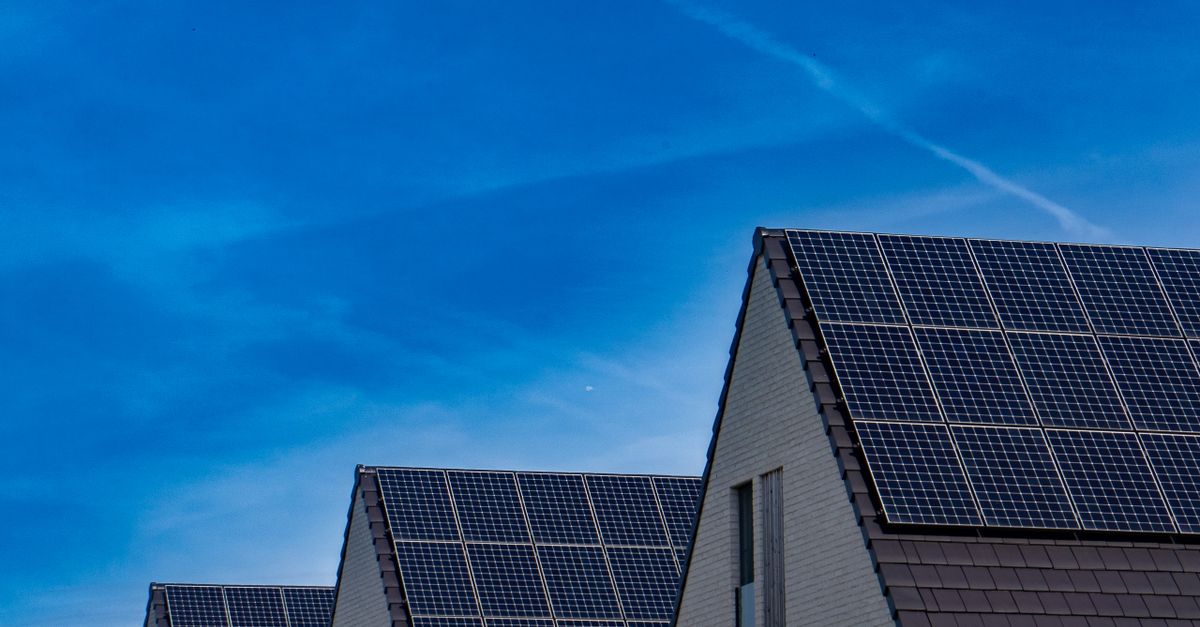
Residential Solar Panels in Victoria 2026: A Comprehensive Guide for Australian Homeowners
Are you considering harnessing the power of the Victorian sun to power your home? As we approach 2026, residential solar panels are becoming increasingly popular and affordable in Victoria. This comprehensive guide will provide you with everything you need to know about making an informed decision, from understanding the latest regulations to choosing the right technology and finding reputable installers.
Why Choose Solar Panels in Victoria in 2026?
- Reduced Energy Bills: Solar panels generate free electricity, significantly lowering your reliance on the grid and shrinking your monthly power bills.
- Increased Property Value: Homes with solar panels are often more attractive to buyers and can command a higher resale value.
- Environmental Benefits: Solar energy is a clean, renewable source that helps reduce your carbon footprint and contributes to a more sustainable future.
- Government Incentives: While rebates and incentives are constantly evolving, Victoria has historically offered generous support for solar installations, making them even more affordable. (More on this below).
- Energy Independence: Solar panels can provide you with greater energy independence, shielding you from rising electricity prices and potential power outages (especially when paired with battery storage).
Understanding Victorian Solar Regulations in 2026
The regulatory landscape for solar panels in Victoria is overseen by various bodies. It’s essential to stay informed about the latest requirements before investing in a system.
Key Regulatory Bodies
- Energy Safe Victoria (ESV): Ensures the safety and compliance of electrical installations, including solar panel systems. All installers must be licensed and accredited by ESV.
- Solar Victoria: Administers the Victorian Government's solar programs, including rebates and incentives. Check their website for the most up-to-date information on eligibility and application processes.
- Australian Energy Market Operator (AEMO): Oversees the operation of the national electricity market, ensuring grid stability and managing the integration of renewable energy sources.
- Local Councils: May have specific planning regulations regarding solar panel installations, particularly in heritage areas. Contact your local council for clarification.
Important Regulations to Consider
- Clean Energy Council (CEC) Accreditation: Ensure your installer is CEC-accredited. This guarantees they meet industry best practices and adhere to safety standards. The CEC also maintains a list of approved solar panels and inverters.
- AS/NZS 4777 Standards: Compliance with Australian/New Zealand Standard AS/NZS 4777 is mandatory for the design, installation, and operation of grid-connected inverters.
- AS/NZS 5033 Standards: Addresses the installation and safety requirements for photovoltaic (PV) arrays.
- Feed-in Tariffs (FiT): Excess electricity generated by your solar panels can be fed back into the grid. The FiT you receive will depend on your electricity retailer and any government-mandated schemes. Check the latest FiT rates offered by retailers in your area.
- Network Connection Agreements: Before installing solar panels, you must obtain approval from your electricity distributor to connect to the grid. This ensures your system meets their technical requirements and doesn't compromise grid stability. This process usually happens through your installer.
- Smart Meter Requirements: A smart meter is required to accurately measure the electricity you consume and the electricity you export to the grid.
Potential Regulatory Changes in 2026
The renewable energy landscape is constantly evolving. As we approach 2026, be aware of potential regulatory changes that could impact your solar investment:
- Changes to Rebates and Incentives: Government rebates and incentives may be adjusted or phased out as solar adoption becomes more widespread. Regularly check Solar Victoria's website for updates.
- Increased Focus on Grid Stability: With more solar energy flowing into the grid, there may be increased regulations to ensure grid stability, such as requiring advanced inverter functionalities like voltage and frequency ride-through.
- Mandatory Battery Storage: In some areas with high solar penetration, regulations might encourage or even mandate the installation of battery storage systems to manage excess solar energy.
Cost of Residential Solar Panels in Victoria in 2026
The cost of solar panels can vary depending on several factors, including the size of the system, the quality of the components, and the complexity of the installation.
Factors Affecting Cost
- System Size (kW): Larger systems cost more upfront but generate more electricity. The size you need depends on your energy consumption.
- Panel Quality and Brand: Higher-quality panels typically have a longer lifespan and better performance but come at a higher price.
- Inverter Type and Brand: Inverters are crucial for converting DC electricity to AC electricity. The type and quality of the inverter will affect the overall cost and efficiency of the system.
- Battery Storage (if applicable): Adding battery storage significantly increases the cost but allows you to store excess solar energy for later use.
- Installation Complexity: Factors like roof type, accessibility, and wiring requirements can impact the installation cost.
- Installer Reputation and Experience: Reputable and experienced installers may charge more but offer better service and warranties.
- Rebates and Incentives: Available rebates and incentives can significantly reduce the overall cost.
Estimated Costs in 2026 (AUD)
- 3kW System: $3,500 - $6,000 (after rebates, if available)
- 5kW System: $5,000 - $8,500 (after rebates, if available)
- 6.6kW System: $6,000 - $10,000 (after rebates, if available)
- 10kW System: $9,000 - $15,000 (after rebates, if available)
Note: These are estimated costs and may vary depending on the specific factors mentioned above. Always obtain multiple quotes from reputable installers. Remember to factor in potential rebate amounts after they are processed.
Breakdown of Costs
A typical solar panel system cost includes:
- Solar Panels: 40-50% of the total cost
- Inverter: 15-25% of the total cost
- Installation: 20-30% of the total cost (including labor, wiring, and permits)
- Balance of System (BOS): 5-10% of the total cost (including mounting hardware, cables, and safety equipment)
Financing Options
- Personal Loan: Secure a personal loan from a bank or credit union to finance your solar panel system.
- Green Loan: Some lenders offer specialized green loans with lower interest rates for environmentally friendly investments like solar panels.
- Mortgage Refinancing: Refinance your existing mortgage to include the cost of the solar panel system.
- Power Purchase Agreement (PPA): A third-party owns and maintains the solar panels on your roof, and you purchase the electricity they generate at a fixed rate. This option requires no upfront investment. However, the suitability depends heavily on the PPA terms.
- Solar Leasing: Similar to a PPA, you lease the solar panels from a third-party.
Solar Panel Technology: Understanding Your Options
Choosing the right solar panel technology is crucial for maximizing your investment. Here's a breakdown of the key components and their features:
Solar Panel Types
- Monocrystalline: Made from a single crystal of silicon, monocrystalline panels are known for their high efficiency and sleek black appearance. They are typically more expensive than other types.
- Polycrystalline: Made from multiple silicon crystals, polycrystalline panels are less efficient than monocrystalline panels but are also more affordable. They have a blue, speckled appearance.
- Thin-Film: Made from thin layers of semiconductor material, thin-film panels are flexible and lightweight. They are less efficient than crystalline panels but can be a good option for curved or uneven surfaces.
- PERC (Passivated Emitter and Rear Cell): PERC technology enhances the efficiency of both monocrystalline and polycrystalline panels by adding a layer to the back of the cell that reflects unused sunlight back into the cell for further absorption. This is becoming increasingly common.
Key Considerations When Choosing Panels:
- Efficiency: Higher efficiency panels generate more electricity from the same amount of sunlight.
- Temperature Coefficient: This indicates how much the panel's performance degrades as its temperature increases. Lower temperature coefficients are better.
- Warranty: Look for panels with a long performance warranty (typically 25 years or more) and a product warranty (typically 10-15 years).
- Brand Reputation: Choose panels from reputable manufacturers with a proven track record.
Inverter Types
Inverters convert the DC electricity generated by solar panels into AC electricity that can be used by your home appliances and fed into the grid.
- String Inverters: The most common type of inverter, string inverters connect multiple solar panels in a "string" and convert the DC electricity from the entire string into AC electricity. They are typically the most affordable option.
- Microinverters: Microinverters are installed on each individual solar panel. This allows for independent panel monitoring and optimization, improving overall system efficiency. They are more expensive than string inverters but can be a good option for roofs with shading or complex orientations.
- Hybrid Inverters: Hybrid inverters combine the functions of a solar inverter and a battery inverter, allowing you to easily integrate battery storage into your system. They are essential for off-grid or backup power applications.
- Power Optimizers: Power optimizers are installed on each solar panel, similar to microinverters. They optimize the performance of each panel individually but still require a central inverter.
Key Considerations When Choosing an Inverter:
- Efficiency: Look for inverters with high conversion efficiency to maximize electricity generation.
- Warranty: Choose an inverter with a long warranty (typically 5-10 years).
- Features: Consider features like remote monitoring, grid support functions, and battery compatibility.
- Brand Reputation: Choose inverters from reputable manufacturers with a proven track record.
Battery Storage
Battery storage allows you to store excess solar energy generated during the day for use at night or during power outages.
- Lithium-ion Batteries: The most common type of battery for residential solar storage, lithium-ion batteries are known for their high energy density, long lifespan, and relatively low cost.
- Lead-Acid Batteries: A more affordable option, lead-acid batteries have a shorter lifespan and lower energy density than lithium-ion batteries.
- Flow Batteries: A newer technology, flow batteries offer long lifespans and high scalability.
Key Considerations When Choosing Battery Storage:
- Capacity (kWh): The amount of energy the battery can store.
- Power (kW): The rate at which the battery can discharge energy.
- Depth of Discharge (DoD): The percentage of the battery's capacity that can be used without damaging the battery. Higher DoD is better.
- Lifespan: The number of charge-discharge cycles the battery can withstand.
- Warranty: Look for batteries with a long warranty (typically 10 years or more).
- Round-Trip Efficiency: The percentage of energy that can be recovered from the battery after charging and discharging.
Future Trends in Solar Panel Technology
- Increased Efficiency: Solar panel efficiency is constantly improving, allowing for more electricity generation from smaller areas.
- Bifacial Panels: Bifacial panels can generate electricity from both sides, increasing energy production.
- Integrated Solar Roofing: Solar panels are being integrated into roofing materials, creating a seamless and aesthetically pleasing solar solution.
- Advanced Inverter Technologies: Inverters are becoming more intelligent, with advanced features like voltage and frequency ride-through and reactive power control.
- Virtual Power Plants (VPPs): VPPs aggregate distributed energy resources like solar panels and batteries to provide grid services and support the integration of renewable energy.
Installation Process: What to Expect
The installation process typically involves several steps:
- Site Assessment: A qualified installer will assess your roof's suitability for solar panels, taking into account factors like roof orientation, shading, and structural integrity.
- System Design: The installer will design a solar panel system tailored to your energy needs and roof characteristics.
- Permitting: The installer will obtain the necessary permits from your local council and electricity distributor.
- Installation: The installer will install the solar panels, inverter, and any other necessary components.
- Electrical Connection: A licensed electrician will connect the solar panel system to your home's electrical system and the grid.
- Commissioning: The installer will test and commission the system to ensure it is operating properly.
- Grid Connection: The electricity distributor will connect your solar panel system to the grid.
Choosing a Reputable Installer
- Accreditation: Ensure the installer is CEC-accredited.
- Experience: Choose an installer with a proven track record and a good reputation.
- References: Ask for references from previous customers.
- Insurance: Verify that the installer has adequate insurance coverage.
- Warranties: Review the warranties offered on the solar panels, inverter, and installation.
- Quotes: Obtain multiple quotes from different installers and compare them carefully.
Questions to Ask Potential Installers
- Are you CEC-accredited?
- How long have you been installing solar panels?
- Can you provide references from previous customers?
- What type of solar panels and inverter do you recommend, and why?
- What is the estimated cost of the system, including installation?
- What rebates and incentives are available?
- What is the estimated payback period?
- What warranties are offered on the solar panels, inverter, and installation?
- What is your process for obtaining permits and connecting to the grid?
- Do you offer ongoing maintenance and support?
Maximizing Your Solar Investment
- Regular Monitoring: Monitor your system's performance regularly to identify any potential issues. Many inverters come with monitoring apps.
- Panel Cleaning: Keep your solar panels clean to maximize electricity generation. Bird droppings, dust, and other debris can reduce their efficiency.
- Energy Efficiency: Reduce your overall energy consumption by using energy-efficient appliances and lighting.
- Load Shifting: Shift your electricity usage to times when your solar panels are generating the most electricity. For example, run your washing machine and dishwasher during the day.
- Consider Battery Storage: If you want to maximize your energy independence and reduce your reliance on the grid, consider adding battery storage to your system.
The Future of Solar in Victoria
As we move towards 2026, solar energy is expected to play an increasingly important role in Victoria's energy mix. With ongoing technological advancements, declining costs, and supportive government policies, residential solar panels are becoming an increasingly attractive option for homeowners looking to save money, reduce their carbon footprint, and increase their energy independence.
By staying informed about the latest regulations, technologies, and installation practices, you can make a smart investment in solar panels and reap the benefits for years to come. Remember to always consult with reputable and CEC-accredited installers to ensure your system is properly designed, installed, and maintained. Good luck!
