Renewable Energy in Australia: Exceeding Expectations in 2026
Australia's renewable energy sector is not just growing; it's thriving. As we move through 2026, it's becoming increasingly clear that the industry is not only meeting targets but in many ways exceeding expectations. While challenges remain, particularly in grid connection and community engagement, the overall trajectory points towards a cleaner, more sustainable energy future for the nation. For a deeper dive into the forces at play, check out our Complete Guide.
One of the most significant factors driving this success is the ingenuity being applied to overcome obstacles. Instead of simply waiting for massive new transmission lines to be built, developers are exploring and leveraging the latent capacity within the existing infrastructure. This means looking closely at the existing network and finding pockets of unused potential, particularly in areas like regional New South Wales, that can be tapped into with appropriate network studies and approvals. Flexible or off-peak connection arrangements are also allowing projects to come online sooner rather than later. Maximising the use of what we already have is proving to be a smart and efficient way to accelerate renewable energy deployment while minimising the impact on landowners and local communities. This approach is becoming increasingly prevalent, especially for onshore wind projects.
Technology is playing a crucial role, too. Australian companies are increasingly adopting innovative techniques already used in other parts of the world. We're seeing a surge in the use of digital twins, robotics, automation, and modular construction. Modular construction, in particular, is proving to be a game-changer. By prefabricating key components offsite and then quickly assembling them on location, projects can be completed much faster, with more consistent quality, and with reduced on-site labour. This translates to greater efficiency and potentially lower costs, allowing for a faster pace of project completion. Standardised, low-carbon modules are becoming more common, replacing bespoke, site-specific designs. Smart companies are integrating design, construction, and operations planning from the very beginning, streamlining the entire process.
The industry is also embracing digital integration more fully. Modern construction contracts now routinely include robust digital asset management and cybersecurity provisions, recognising the importance of early collaboration between engineering and IT teams. These technological advancements are crucial for reducing costs, mitigating risks, and ensuring the long-term durability of renewable energy projects.
However, technological advancements are only one piece of the puzzle. Meaningful community engagement is paramount. Communities are no longer satisfied with mere consultation; they want genuine partnerships and, in many cases, a commercial stake in projects that directly affect their land and livelihoods.
First Nations communities are leading the way in this shift. While Australia may be lagging behind countries like Canada, where Indigenous communities benefit from a significant portion of the country's renewable energy infrastructure, progress is being made. Equity-sharing models are gaining traction, offering First Nations communities a direct financial interest in renewable energy projects.
For example, projects like the Bulabul Battery project in Wellington, NSW, demonstrate how equity stakes can provide significant long-term revenue for local Aboriginal communities, which can then be invested in their future. These self-determined commercial arrangements have the potential to significantly improve the economic empowerment of regional and rural communities directly impacted by renewable energy projects. The focus is shifting towards longer-term benefits alongside short-term returns.
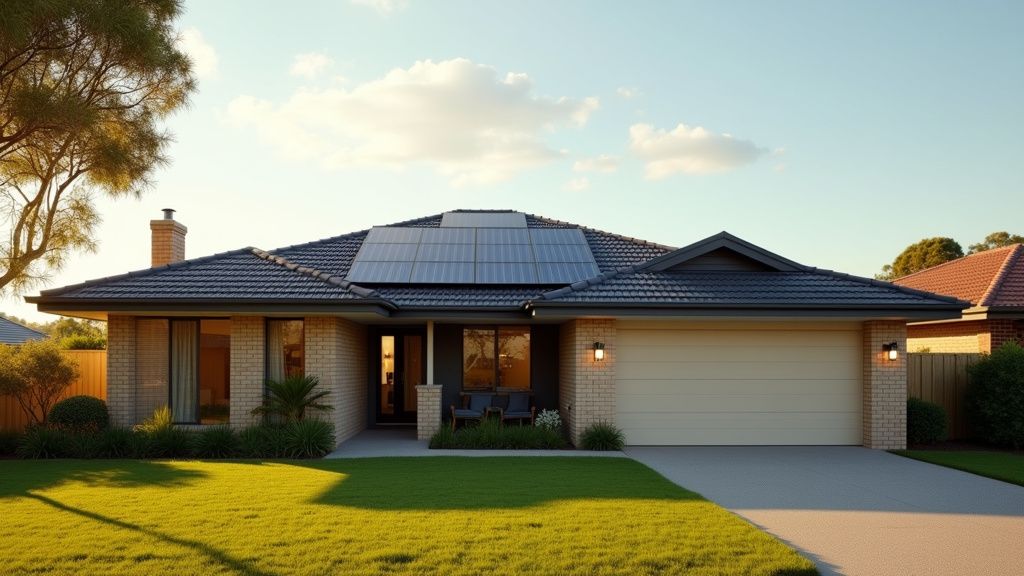
The Australian renewable energy sector in 2026 is demonstrating resilience, innovation, and a growing commitment to social responsibility. While grid connection challenges persist and ongoing efforts are needed to foster genuine community partnerships, the sector is undoubtedly exceeding expectations in its contribution to a sustainable energy future. The price of solar panels continues to fall, making renewable energy more accessible for everyday Australians. With continued innovation, collaboration, and a commitment to community engagement, Australia is well-positioned to become a global leader in renewable energy. The transformation is not just about powering our homes and businesses; it’s about creating a more just and prosperous future for all Australians.
