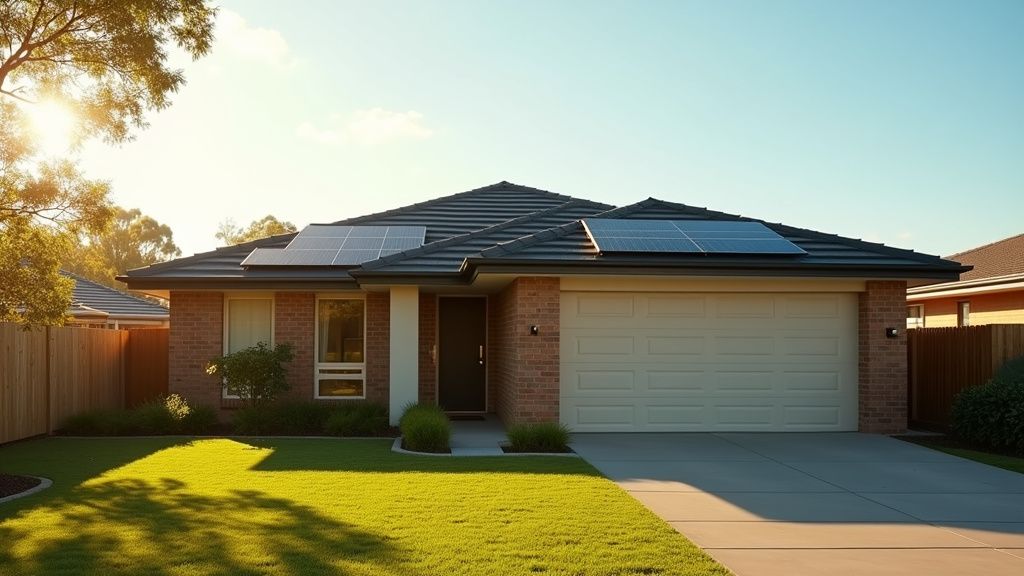
Power Bill Savings with Home Batteries: Real-World Examples in Australia
Are you tired of those ever-increasing power bills? More and more Australian households are turning to home battery systems to take control of their energy consumption and significantly reduce their reliance on the grid. But do they really work? And are they worth the investment?
Instead of just looking at projected savings, let's dive into some real-world examples of how home batteries are impacting power bills right here in Australia. Before we jump in, if you're curious about potential subsidies, check out this Complete Guide.
The Rising Cost of Power and the Appeal of Batteries
With electricity prices constantly on the rise, particularly during peak evening hours, Australians are understandably looking for ways to lessen the financial burden. Solar panels are a great start, but what happens when the sun goes down? This is where home batteries come into play. They allow you to store the excess energy generated by your solar panels during the day and use it when you need it most – typically in the evenings when grid electricity is at its most expensive.
Brisbane Case Studies: Real Homes, Real Savings
Let’s look at some examples from Brisbane, where home battery adoption is growing rapidly. These aren't theoretical scenarios, these are examples from homes with solar panels that have added batteries to their setups.
Case Study 1: Reducing Evening Grid Reliance
One townhouse had solar panels, but limited roof space meant they couldn't generate enough power to cover their evening electricity usage. Consequently, they were still heavily reliant on the grid, especially after sunset when solar production ceased.
- The Solution: A home battery was installed to store surplus solar energy generated during the day.
- The Result: The battery allowed the household to utilise stored solar power during the evening, drastically reducing their reliance on grid electricity during peak price periods. This significantly increased their solar self-consumption, meaning they were using more of the energy they generated themselves.
Case Study 2: Working From Home and Battery Backup
Another household found their electricity usage increasing due to working from home. Despite having solar panels, cloudy weather and higher evening consumption meant they were still drawing a considerable amount of power from the grid.
- The Solution: They installed a battery system to capture and store the excess solar energy produced on sunny days.
- The Result: By using the stored solar power, they substantially reduced their dependence on the grid. The homeowner also highlighted the added benefit of having backup power during outages, especially useful during severe weather events. He was very pleased with the clear communication and smooth coordination during the installation, and reported that the system has delivered both cost savings and long-term reliability.
Key Takeaways from Real-World Examples:
These case studies, and many others, highlight several important factors:
- Increased Self-Consumption: Batteries significantly increase the amount of self-generated solar energy a household uses, reducing reliance on the grid.
- Reduced Peak Hour Costs: By using stored solar power during peak evening hours, homeowners can avoid expensive grid electricity charges.
- Backup Power: Many battery systems provide backup power during grid outages, offering peace of mind and resilience.
- The Value of Professional Installation: A smooth and well-organised installation process is crucial for a positive experience and optimal system performance.
Factors Influencing Savings:
The amount of money you can save with a home battery will depend on several factors, including:
- Your Electricity Usage Patterns: Homes with higher electricity consumption during peak hours will likely see greater savings.
- Your Solar Panel System Size: A larger solar panel system will generate more excess energy to store in the battery.
- The Battery Capacity: The larger the battery, the more energy you can store and use later.
- Your Electricity Tariff: The difference between off-peak and peak electricity prices will impact the savings you achieve.
Is a Home Battery Right for You?
Investing in a home battery is a significant decision. While the initial cost can be substantial (typically ranging from $8,000 to $15,000 for a decent sized system with installation), the potential long-term savings and increased energy independence can make it a worthwhile investment.
Before making a decision, it's essential to:
- Assess your energy needs: Analyze your electricity bills to understand your consumption patterns.
- Get quotes from multiple installers: Compare pricing and system options from reputable companies.
- Factor in government incentives: Check for available rebates and subsidies in your state or territory.
Home batteries are proving to be a game-changer for many Australian households, offering a pathway to lower power bills and a more sustainable future. By examining real-world examples, you can get a clearer picture of the potential benefits and make an informed decision about whether a home battery is right for your needs.
