SolarInsights: Timing is Everything - When to Invest in a Solar Battery in Australia
The Australian sun is a powerful resource, and more and more Aussies are harnessing it with solar panels. With around 15% of households already sporting solar arrays, the solar revolution is well underway. But are you making the most of your solar investment? A solar battery might be the missing piece.
Before you rush out and buy one, let's delve into the optimal timing for solar battery installation in Australia. To delve deeper into this topic, consider reading our Complete Guide.
The Solar Surplus Problem
Here's the rub: solar panels generate the most power during the day, often when you're at work or out and about. This means you're selling excess energy back to the grid, only to buy it back later in the evening when your solar panels aren't producing. And here's the kicker – you typically get paid significantly less for the energy you export than you pay to import it. Climate Council data from 2016 showed households might receive a measly 5-8c per kWh for exported solar, while paying a hefty 20-35c per kWh for grid electricity. These numbers may have shifted slightly, but the principle remains.
Batteries: Bridging the Gap
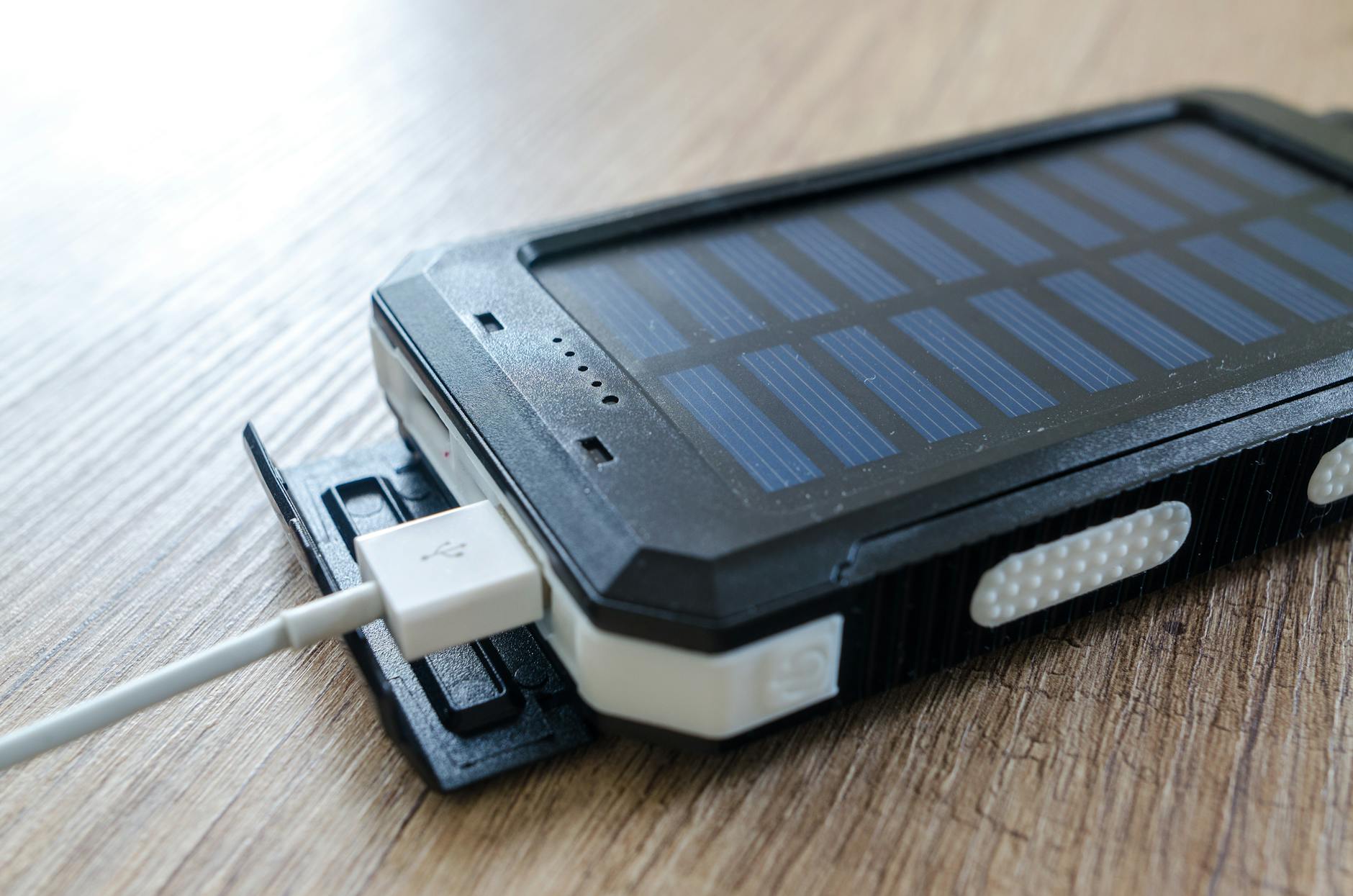
This is where solar batteries come into play. A battery allows you to store that daytime solar surplus and use it later, significantly increasing the amount of self-generated solar energy you actually consume. Instead of selling power for a pittance, you're using it to power your home in the evenings, reducing your reliance on the grid. According to the Climate Council, adding a relatively small 4kWh battery to a 5kW solar system can potentially double the amount of solar energy a household consumes themselves – from 30% to 60%.
Is Now the Right Time for YOU?
While solar batteries offer clear advantages, the decision to invest is personal. Here are factors to consider:
-
Rising Electricity Prices: As retail electricity prices continue to climb, the economic appeal of solar batteries increases. They offer a hedge against future price hikes and reduce your exposure to volatile energy markets.
-
Feed-in Tariff Rates: If your feed-in tariff (the amount you get paid for exporting solar energy) is low, a battery becomes a more attractive option. You're better off storing and using that energy yourself than selling it cheaply.
-
Your Energy Consumption Patterns: Are you a heavy energy user in the evenings? Do you have appliances like air conditioners, electric vehicles, or pool pumps that consume a lot of power after the sun goes down? If so, a battery could be a game-changer.
-
Your Carbon Footprint: If reducing your environmental impact is a priority, a solar battery is a logical next step. It allows you to rely more on clean, renewable energy and less on fossil fuel-powered grid electricity.
-
Battery Costs: While battery prices have fallen significantly in recent years (dropping by an average of 14% annually between 2007 and 2014), they still represent a significant upfront investment. Weigh the cost of the battery and installation against the potential savings over its lifespan.
Key Considerations When Choosing a Solar Battery
If you decide to invest, keep these points in mind:
- Storage Capacity: Batteries come in different sizes. Choose a capacity that matches your energy consumption patterns and solar panel output.
- Efficiency and Lifecycle: Opt for a battery with high efficiency (minimal energy loss during charging and discharging) and a long lifecycle (the number of charge/discharge cycles it can withstand).
- Compatibility: Ensure the battery is compatible with your existing solar system and inverter. You might need a battery inverter to manage the charging and discharging process.
- Scalability: If you anticipate needing more storage in the future, consider a battery system that allows you to add more batteries later on.
Other Options to Consider
- Virtual Power Plants (VPPs): Joining a VPP can potentially maximize the value of your solar and battery investment by connecting your system to a network that helps balance grid supply and demand.
The Future is Bright (and Battery-Powered?)
Analysts predict that a significant portion of Australian households will adopt solar and battery systems in the coming years. Technological advancements continue to drive down battery costs, making them an increasingly viable option for homeowners.
Getting Expert Advice
The best time to install a solar battery depends on your individual circumstances. It's crucial to get tailored advice from a reputable solar retailer. They can assess your energy needs, evaluate your existing solar system, and recommend the best battery solution for your situation. By considering these factors, you can determine whether now is the optimal time for you to join the solar battery revolution and unlock even greater savings and sustainability.
