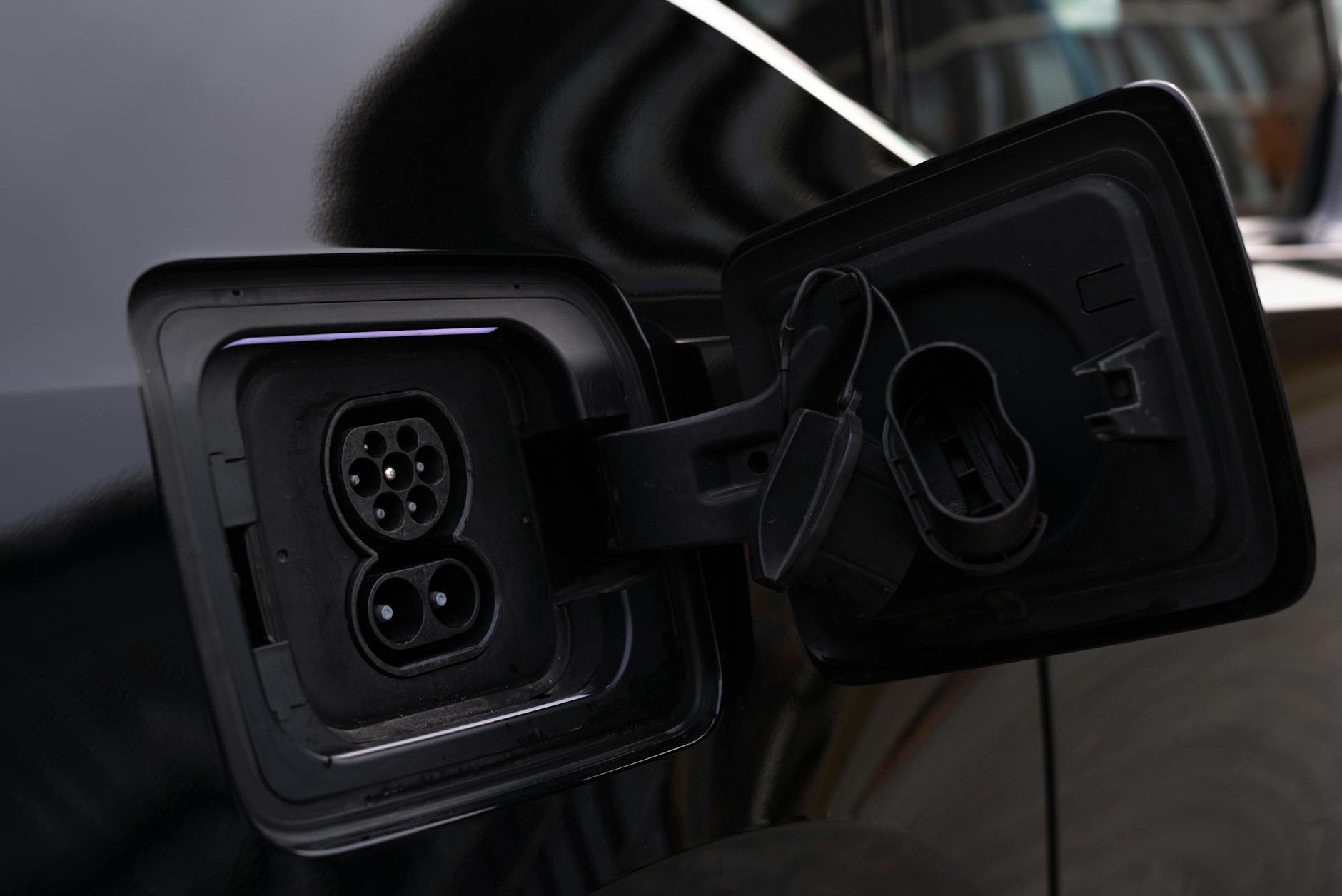
Supercharge Your EV: Optimising Home Charging with 3-Phase Power in Australia
Electric vehicle (EV) ownership is surging in Australia. With more affordable models hitting the market, government incentives, and growing awareness of the benefits, making the switch to electric is becoming increasingly attractive. A key factor in enjoying EV ownership is convenient and efficient charging. While public charging stations are becoming more prevalent, a home EV charger offers the ultimate in convenience and cost-effectiveness, especially when paired with a home solar system. For those lucky enough to have three-phase power, the charging experience can be significantly enhanced. But is it right for you? This article delves into the details of optimal home EV charger installation for Australian homes with three-phase power.
Before diving in, if you're unsure about the type of EV charger best suited for your needs, take a look at our Complete Guide to understand the difference between AC and DC charging options.
Why a Home EV Charger?
For many EV owners, a home charger will address most, if not all, of their daily charging needs. This is far more convenient than relying solely on public charging infrastructure. Moreover, home charging is generally cheaper than using public rapid chargers. Using a standard household power point to charge your EV is possible, but it’s incredibly slow. A dedicated home charging unit delivers significantly faster and more efficient charging.
Understanding Single-Phase vs. Three-Phase Power
Most Australian homes have a single-phase power supply. Three-phase power is typically reserved for properties with higher electricity demands. How do you know which one you have? Check your switchboard! A single main switch usually indicates a single-phase connection, while three main switches typically signify a three-phase supply.
The Benefits of Three-Phase Charging
Three-phase power offers a significant advantage: it allows for higher charging capability and, consequently, faster charging times for your EV. Think of it like having a bigger hose filling a pool – it simply gets the job done quicker! This can be particularly beneficial if you have a large battery pack or frequently need to top up your charge quickly.
Choosing the Right Charger
The market offers a wide variety of home EV chargers. When selecting a charger, consider the following:
- Charging Speed: Three-phase chargers can deliver significantly higher charging rates compared to single-phase options. Determine your typical daily driving needs and how quickly you want to replenish your battery.
- Location: Where will the charger be installed? Garages and carports are common choices. Consider the location of your EV's charging port and how you usually park.
- Weather Resistance: If the charger will be exposed to the elements, look for a unit with a suitable IP rating (Ingress Protection). IP44 offers protection against splashing water, while IP65 offers greater protection for outdoor installation.
- Smart Features: Many modern chargers offer smart features such as Wi-Fi connectivity, app control, charging schedules, and the ability to integrate with solar power systems.
- Compliance: Ensure the charger complies with Australian standards.
Installation Considerations
Installing a home EV charger, especially with three-phase power, requires a qualified and licensed electrician. A dedicated circuit will need to be run from your switchboard to the charger location. Depending on the distance and your home's wiring, the electrician may need to run the wiring through your ceiling or under the house. In some older homes, the switchboard may need to be upgraded to handle the additional load. A professional electrician can assess your existing electrical system and advise on the best and safest installation method.
Cost
The cost of a three-phase EV charger and its installation can vary depending on the charger model, installation complexity, and any necessary upgrades to your electrical system. As a general guideline, budget between $2000 and $3500 for the unit and installation. It's always best to get quotes from several qualified electricians to compare prices.
Integrating with Solar Power
To maximise the cost savings of EV ownership, consider integrating your home EV charger with rooftop solar panels and a battery system. This allows you to charge your EV using renewable energy, further reducing your carbon footprint and electricity bills. Some smart chargers even allow you to prioritise charging during periods of peak solar generation.
Is Three-Phase Charging Right for You?
While three-phase charging offers faster charging speeds, it may not be necessary for everyone. If you have a smaller battery pack, don't drive long distances daily, or primarily charge overnight, a single-phase charger might suffice. However, if you value speed and convenience, especially with a larger battery EV, three-phase charging is a worthwhile investment.
Conclusion
Upgrading to a three-phase EV charger can significantly enhance your EV ownership experience, providing faster charging times and greater convenience. By carefully considering your needs, selecting the right charger, and working with a qualified electrician, you can optimise your home charging setup and enjoy the full benefits of electric vehicle ownership in Australia.
