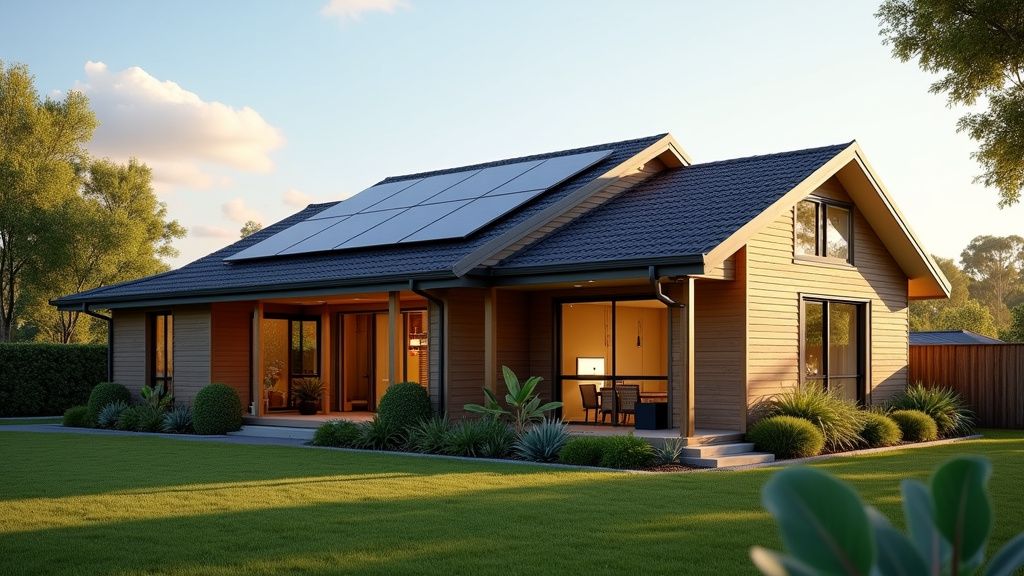
SolarInsights: Maximizing Your Solar Potential – Tips and Strategies for Aussie Homes
So, you've taken the plunge and invested in solar power – good on ya! Now it's time to make sure you're squeezing every last drop of sunshine-powered savings from your system. Maximizing your solar potential isn't just about generating electricity; it's about smart usage, regular maintenance, and understanding your energy needs. This blog post will give you practical tips and strategies to ensure you're getting the most bang for your buck.
If you're also thinking about next steps to consider a battery check out our Complete Guide.
1. Understand Your Energy Usage Patterns
Before diving into specific strategies, take some time to understand how and when you use electricity. If your solar system comes with a monitoring app (and most do these days), make the most of it. These apps can track not only your solar generation but also your overall electricity consumption.
- Monitor your system's performance: Regularly check your app to see if your system is performing as expected. Unexpected drops in output might indicate a problem.
- Identify peak usage times: Determine when you're using the most electricity. Is it in the morning when you're getting ready for work, in the evening when you're cooking dinner, or throughout the day while running the air conditioner?
2. Time Your Appliance Use Strategically
The key to maximizing solar savings is to use as much of the electricity your solar panels generate as possible, rather than relying on grid power. This means shifting your energy usage to coincide with peak solar production hours.
- Daytime is your friend: As much as possible, run your appliances during daylight hours when your solar panels are actively generating power.
- Embrace the timer: If you're not home during the day, use timers to schedule appliances like washing machines, dishwashers, and pool pumps to run when the sun is shining.
- Slow cookers for the win: Consider using a slow cooker. They draw power consistently throughout the day, perfectly aligning with solar generation, and reward you with a delicious, ready-to-eat meal in the evening.
3. Hot Water Considerations
Electric hot water systems can be significant energy consumers. Optimizing their operation can lead to considerable savings.
- Consider shifting hot water heating to daytime: Many older electric hot water systems are set to heat water overnight, often as a "controlled load". Shifting this to daytime solar generation can be a good move, but carefully consider your tariff.
- Hot water system size: If your hot water system uses more power than your solar panels generate at any given time, you'll still be drawing electricity from the grid. The cost-effectiveness depends on your electricity pricing plan.
- Heat pump hot water systems: When replacing your hot water system, consider a heat pump model. They are far more energy-efficient than traditional resistance systems and will dramatically reduce your electricity consumption. Installation will require a licensed electrician.
4. Electrify Your Home (Strategically)
As older gas appliances reach the end of their life, consider replacing them with energy-efficient electric alternatives. This allows you to power more of your home with your solar system.
- Energy-efficient upgrades: When upgrading appliances, choose the most energy-efficient models available. Look for high energy star ratings.
- Research electrification options: Explore resources like household electrification guides to learn more about transitioning away from gas.
5. Regular Maintenance and Monitoring
A well-maintained solar system performs optimally.
- Professional servicing: Engage an accredited solar installer or qualified electrician to service your system regularly. They can identify potential problems early on.
- Clean your panels: Dust and debris can reduce your solar panel's efficiency. Give them a clean with water and a soft brush, or hire a professional cleaner. 6. Review Your Electricity Plan
Don't set and forget your electricity plan. The market changes, and you may be able to find a better deal.
- Competitive pricing: Regularly compare electricity pricing plans to ensure you're on a competitive plan that suits your energy usage.
- Time-of-use tariffs: If you have a time-of-use tariff, make sure you understand peak and off-peak periods and adjust your usage accordingly.
- Demand charges: If you have a demand charge tariff, avoid running multiple high-draw appliances simultaneously to minimise grid usage.
7. Battery Storage (The Next Level)
Once you've optimised your solar usage, consider adding battery storage. Batteries store excess solar energy generated during the day, allowing you to use it at night or during periods of low solar production. This further reduces your reliance on the grid and maximizes your solar investment.
Maximizing your solar potential is an ongoing process. By understanding your energy needs, making smart choices about appliance usage, and keeping your system well-maintained, you can significantly reduce your electricity bills and contribute to a more sustainable future.
