Baldivis: A Solar Suburb's Lessons for Australia's Future
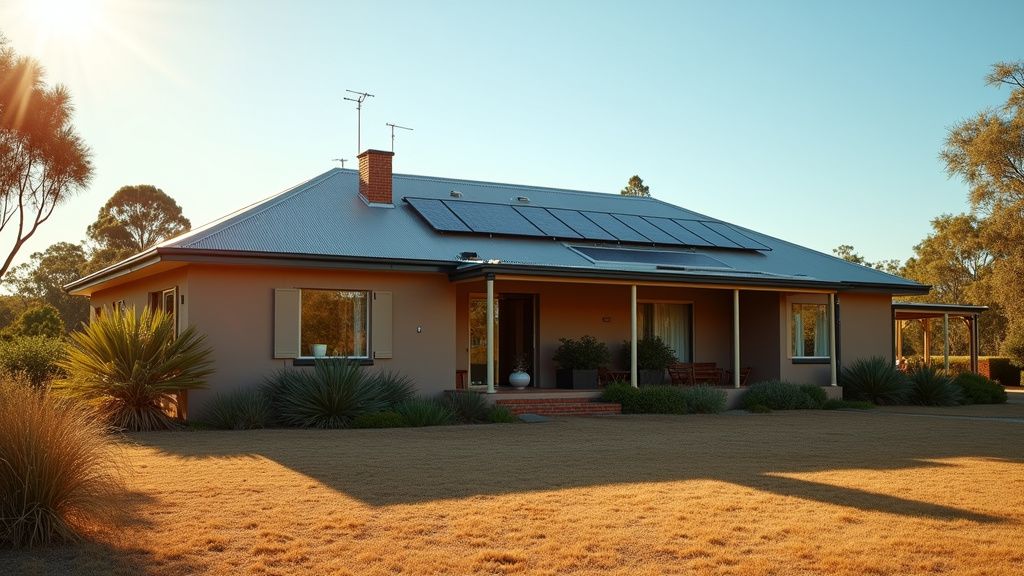
Baldivis, a suburb south of Perth, Western Australia, was once hailed as a shining example of Australia's successful rooftop solar adoption. Back in 2017, it was identified as a leading renewable energy suburb, with a majority of homes sporting solar panels. The promise was clear: abundant sunshine, cheap power, and a glimpse into a sustainable future.
However, the story has become more complex. Fast forward to today, and Baldivis illustrates some of the challenges that come with high solar penetration. Across WA, suburbs like Baldivis are now producing more solar energy than the local grid can readily handle during the day. With many residents away at work, surplus energy floods the grid, creating voltage issues and stability concerns. This highlights a crucial point: solar abundance alone doesn't guarantee grid resilience. To learn more about the broader context, check out our Complete Guide.
The Baldivis Paradox: Too Much of a Good Thing?
The situation in Baldivis underscores the fact that our electricity networks weren't originally designed for this level of distributed generation. Traditionally, power flowed one way: from large power plants, through substations, and into homes. Infrastructure was built to handle predictable evening demand, not a surge of solar exports from thousands of homes during the middle of the day.
When a suburb hits high solar penetration, this one-way model breaks down. Instead of a clean energy shortage, you have a surplus at the wrong time. This can lead to a range of problems:
- Voltage Issues: Simultaneous exports from many homes can push local voltages outside acceptable limits.
- Equipment Overload: Infrastructure like transformers may be overloaded by reverse power flows.
- Network Instability: Grid operators are forced to intervene to maintain system stability.
As a result, solar-heavy suburbs often face stricter export limits and connection rules, even when the broader grid still relies on fossil fuels.
Commuter Suburbs: An Added Complication
What makes places like Baldivis particularly challenging is the combination of high solar uptake and specific energy consumption patterns. Baldivis is a commuter suburb. Most residents leave for work in the morning and return in the evening. During the sunniest hours, when solar panels are generating at their peak, local electricity demand is low. Air conditioners are off, appliances are idle, and electric vehicles are often unplugged.
This creates a significant mismatch between energy supply and demand. Instead of solar power being used locally, it all gets pushed back into the grid at once. The grid struggles to efficiently move that excess energy to where it's needed, leading to technical limitations. This is why commuter suburbs often face tighter export controls compared to mixed-use areas with a more balanced daytime load.
Solutions and Future Planning
So, what lessons can we learn from the Baldivis experience, and how can we plan for future solar uptake across Australia?
- Strategic Grid Upgrades: Prioritising upgrades to local distribution networks to handle bidirectional power flows and increased solar penetration is critical. This involves investing in smart grid technologies that can dynamically manage voltage and optimise energy flow.
- Incentivising Local Consumption: Policies should encourage greater local consumption of solar energy. This could involve time-of-use tariffs that incentivise homeowners to use more electricity during the day, or programs that promote the adoption of smart appliances and electric vehicle charging during daylight hours.
- Community Batteries: Community batteries offer a promising solution by providing a shared energy storage resource for multiple households. They can absorb excess solar energy during the day and release it during peak demand periods, reducing strain on the grid and maximising the benefits of solar. The Western Australian government is already rolling out a community battery program in some areas.
- Smart Export Limits: Dynamic export limits can help manage voltage fluctuations by allowing solar systems to export more power when the grid can handle it and less when there is congestion. This requires advanced monitoring and control systems.
- Urban Planning: As we design new suburbs, we need to consider the impact of solar energy on the grid. Mixed-use developments with daytime businesses and industries can help balance energy demand and supply.
Looking Ahead
The Baldivis story isn't a cautionary tale about the dangers of solar energy. Instead, it's a valuable lesson in the importance of planning, infrastructure investment, and smart energy management. Australia's solar future depends not just on installing more panels, but on building a grid that can effectively integrate and utilise all that clean energy. By learning from places like Baldivis, we can create a more resilient, sustainable, and affordable energy system for all Australians.
