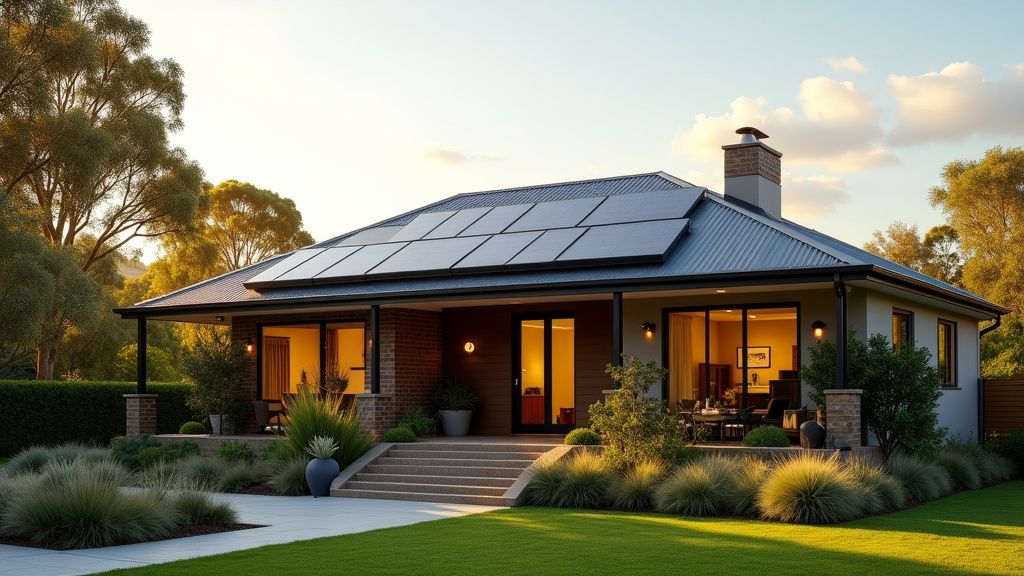
Is Solar Worth It in Melbourne in 2026? A Comprehensive Guide
Melbourne's sunshine might be a bit unpredictable, but the future of solar power in the city is looking bright. With electricity prices constantly on the rise, many homeowners are wondering if investing in solar panels is a worthwhile venture in 2026. The short answer? It very likely is. But to give you a clearer picture, let's dive into a comprehensive guide, exploring the costs, savings, and everything you need to know to make an informed decision. You can also refer to our Complete Guide for more in-depth information.
The Changing Landscape of Solar in Australia
The Australian energy market is evolving rapidly. Gone are the days of ridiculously high feed-in tariffs that saw homeowners making a killing by simply exporting excess power back to the grid. However, this doesn't mean solar is no longer a smart investment. In fact, it's arguably more crucial than ever.
The key is to shift your thinking. Instead of focusing on selling power, concentrate on saving power. The real financial benefit now lies in maximising self-consumption – using the solar energy you generate to power your own home.
The Rising Cost of Grid Electricity
Electricity retailers are consistently increasing their rates. Many Melbourne households are now paying between 30 and 40 cents per kilowatt-hour (kWh) for electricity from the grid. Meanwhile, feed-in tariffs (the amount you get paid for exporting excess solar energy) can be as low as 2-5 cents per kWh in Victoria.
This price difference is significant. It highlights the advantage of using as much of your self-generated solar power as possible. Every unit of solar energy you use at home saves you from having to purchase that same unit at the much higher retail price. This "avoided cost" is the primary driver behind the financial benefits of solar.
Understanding the Solar Rebate (STCs)
The federal government offers a solar rebate in the form of Small-scale Technology Certificates (STCs). This incentive is designed to gradually decrease until 2030. Each year on January 1st, the number of STCs a solar system can claim decreases.
The takeaway? Delaying your solar installation in the hope of better technology or higher rebates might not be the best strategy. The ongoing savings on your electricity bills from owning a solar system generally outweigh the minor reduction in the upfront rebate. So, acting sooner rather than later to lock in higher STC values is generally recommended.
Dispelling the Feed-In Tariff Myth
Don't be discouraged by low feed-in tariffs. While it's true that exporting solar energy doesn't generate huge income, the overall benefit of solar comes from dramatically reducing your reliance on grid electricity.
Remember, your retail electricity price includes network costs, taxes, and retailer profit margins. When you generate your own solar energy, you avoid these costs. To maximise your return on investment, try to run your major appliances – washing machine, dishwasher, air conditioner – during peak sunlight hours.
The Rise of Solar Batteries
By 2026, solar batteries are expected to be more commonplace. Government initiatives aim to lower the upfront cost of battery storage.
A battery is particularly beneficial if you have high energy demands in the evening. It allows you to store the excess solar energy generated during the day (which would otherwise be exported for a low feed-in tariff) and use it during peak evening hours when grid electricity is most expensive. A battery can potentially reduce your reliance on the grid by up to 90%.
EVs and the Solar Synergy
The rise of electric vehicles (EVs) has further strengthened the case for solar. An EV is essentially a large battery on wheels that requires a significant amount of electricity to charge.
Charging an EV from the grid can add hundreds of dollars to your annual electricity bill. Charging it with solar power, however, is virtually free. By 2026, many new solar systems will be "EV-ready," allowing you to directly charge your car from your solar panels. This effectively turns your rooftop into your own personal, green petrol station.
Joining a Virtual Power Plant (VPP)
Virtual Power Plants (VPPs) are becoming increasingly popular. By joining a VPP, you allow a provider to draw power from your battery occasionally to support the grid. In return, you receive improved feed-in tariffs or direct monthly credits. This is another factor boosting the financial viability of solar.
Choosing Quality Over Price
Finally, remember that quality matters. Opting for the cheapest solar system available might seem attractive upfront, but low-cost components are more likely to fail within a few years, eroding your savings. Invest in quality components and a reputable installer to ensure your system performs optimally for years to come.
Solar in Melbourne 2026: A Smart Investment
In conclusion, while the solar landscape has changed, rooftop solar remains a highly worthwhile investment for Melbourne homeowners in 2026. By focusing on self-consumption, considering battery storage, and leveraging the benefits of EVs and VPPs, you can significantly reduce your electricity bills, increase your energy independence, and contribute to a cleaner environment. It's time to harness the power of the sun!
