Is a Solar Battery Right for Your Home? An Australian Guide
Thinking about adding a battery to your solar setup? It's a big decision, and understanding the pros and cons is crucial for making the right choice for your home and your wallet. This blog post breaks down what you need to consider. If you want a more in-depth exploration, check out our Complete Guide.
What Does a Solar Battery Actually Do?
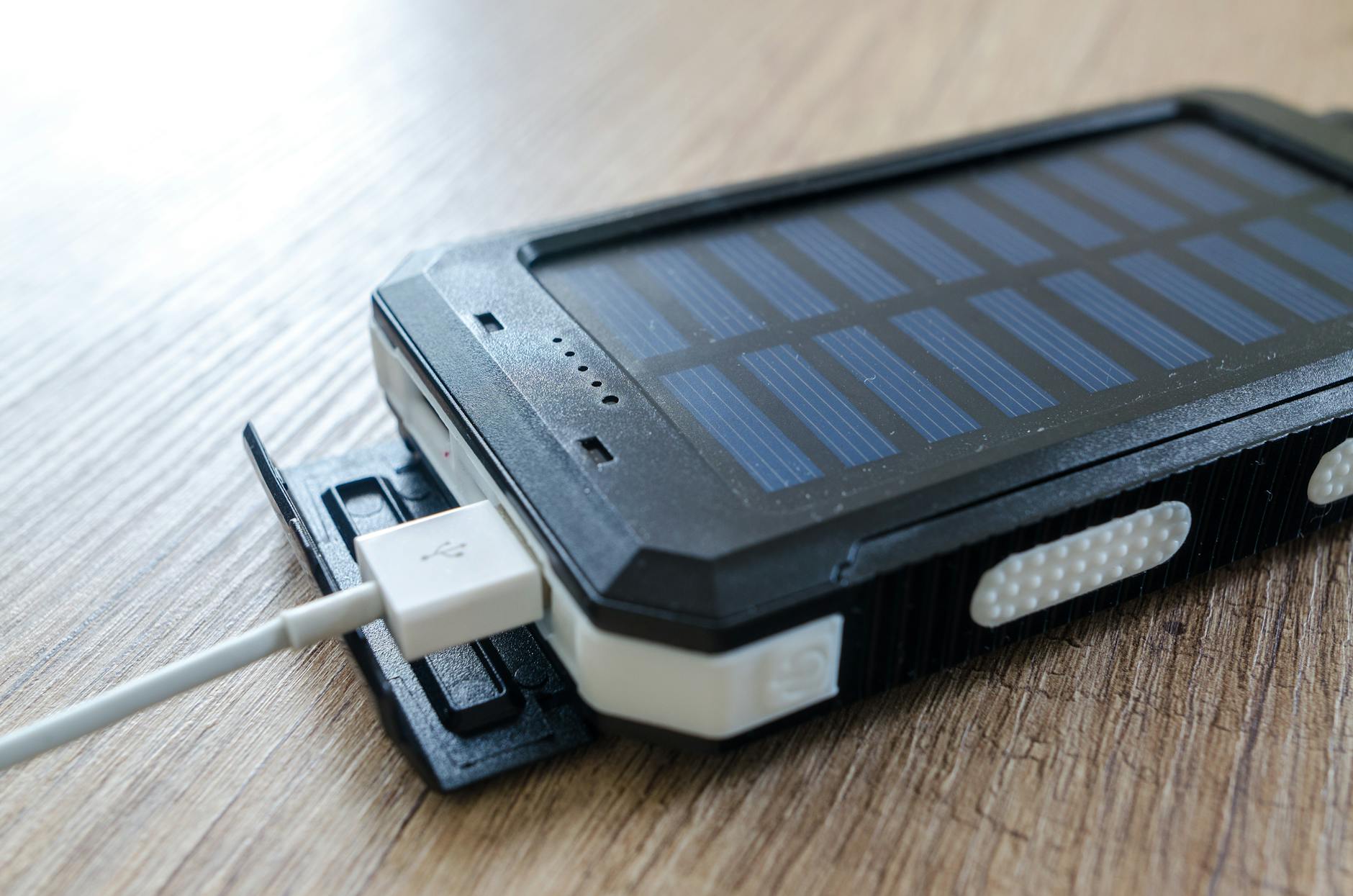
Essentially, a solar battery stores excess energy generated by your solar panels. Without a battery, any unused electricity is typically fed back into the grid. While this can earn you credits on your electricity bill, a battery allows you to use that energy yourself, later, reducing your reliance on the grid, especially during peak hours when electricity prices are highest.
Think of it this way: your solar panels are like a tap, and your battery is like a bucket. When the tap (solar panels) is producing more water (electricity) than you need, the excess goes into the bucket (battery). Later, when the tap isn't producing enough (at night or on cloudy days), you can use the water stored in the bucket.
Why Consider a Solar Battery?
There are several compelling reasons why an Australian homeowner might consider investing in a solar battery:
- Increased Energy Independence: Reduce your reliance on the electricity grid and protect yourself from rising electricity prices.
- Maximise Self-Consumption: Use more of the solar energy you generate, rather than exporting it to the grid at a lower rate.
- Backup Power: Some battery systems can provide backup power during a blackout, keeping essential appliances running.
- Environmental Benefits: Further reduce your carbon footprint by relying less on fossil fuel-generated electricity.
Government Incentives: The Cheaper Home Batteries Program
The Australian Government is rolling out the "Cheaper Home Batteries Program" commencing 1 July 2025, designed to make battery storage more accessible. This program offers a discount on the cost of installing a small-scale battery system for households and businesses, acting as an expansion of the Small-scale Renewable Energy Scheme (SRES). The government will fully fund the discount, ensuring no added cost to consumers.
To be eligible, battery systems must be accredited by the Clean Energy Council (CEC) and listed on their approved products list. Battery retailers and installers will be required to provide written statements outlining key information about the battery and its installation.
Key Considerations Before You Buy
While the benefits are clear, there are also factors to weigh carefully before investing in a solar battery:
- Cost: Batteries are a significant upfront investment. You need to carefully evaluate whether the long-term savings outweigh the initial expense.
- Energy Needs: A battery is only useful if you have excess solar energy to store. If you have a small solar system, a battery might not be the best investment. Consider your household's energy consumption patterns.
- Backup Power Requirements: Not all battery systems offer backup power, and those that do may only power essential circuits. Determine your backup power needs and choose a system accordingly.
- Virtual Power Plants (VPP): The Cheaper Home Batteries Program requires on-grid battery systems to have Virtual Power Plant (VPP) capability. This allows your battery to be coordinated with other solar and battery systems to act as a single power source, enabling energy to be shared.
- Export Limits: If your existing solar system has an export limit, meaning you can't send excess electricity back to the grid above a certain point, a battery becomes even more valuable by storing that otherwise wasted energy.
Making the Right Choice
Ultimately, the decision of whether or not to install a solar battery depends on your individual circumstances. Here's a step-by-step approach to help you decide:
- Assess Your Energy Usage: Analyse your electricity bills to understand your energy consumption patterns and peak demand times.
- Evaluate Your Solar System: Determine how much excess solar energy you typically generate.
- Research Battery Options: Explore different battery types, sizes, and features to find one that meets your needs.
- Get Quotes: Obtain quotes from multiple reputable solar retailers and installers.
- Consider Government Incentives: Factor in any available government rebates or incentives.
- Calculate Return on Investment (ROI): Estimate the payback period for your battery investment based on energy savings and potential revenue from grid exports (if applicable).
Dealing with Blackouts
Most solar-only systems automatically shut down during a power outage for safety reasons, a process called "anti-islanding". However, a battery can provide backup power during a blackout if it's configured to do so. This can be crucial if you live in an area prone to frequent outages.
The Bottom Line
A solar battery can be a valuable addition to your home, offering increased energy independence, cost savings, and backup power. However, it's essential to carefully consider your energy needs, budget, and the available government incentives before making a decision. By doing your research and consulting with a reputable solar professional, you can determine if a solar battery is the right choice for your home.
