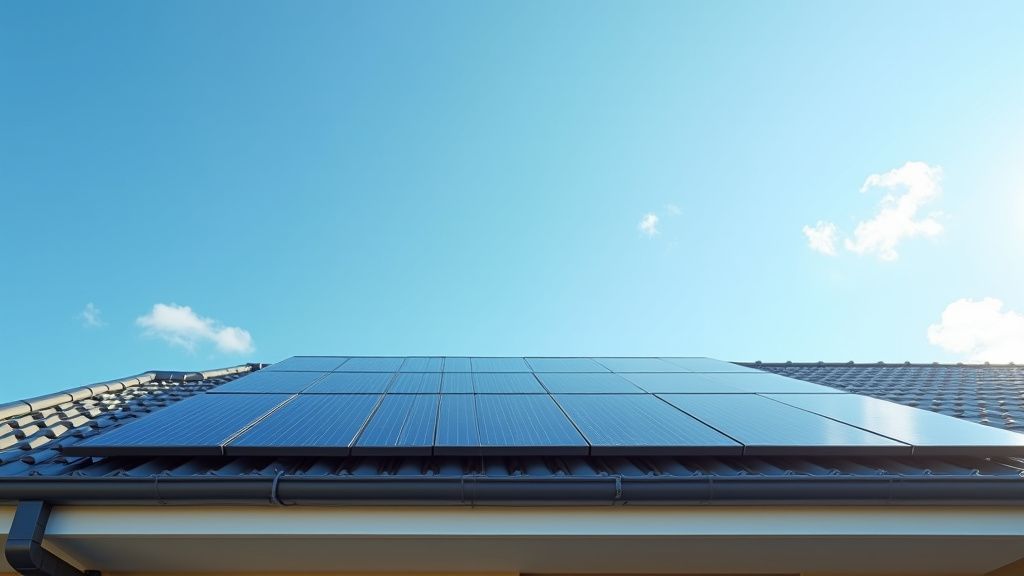
Power Up Your Climate Action: A Battery Storage Guide for Aussie Homes
Want to take real climate and energy action, right from your own backyard? Then it's time to talk batteries. With rising energy costs and increasing concerns about the environment, installing a battery storage system alongside your solar panels is becoming an increasingly popular choice for Australian homeowners. This guide will walk you through the ins and outs of battery storage, helping you decide if it’s the right step for you. For more in-depth information, read our Complete Guide.
Why Consider a Battery?
Let's face it, solar panels are fantastic, but they only generate electricity when the sun's shining. What happens when the sun goes down, or on those cloudy days? Without a battery, you're back to relying on the grid.
A battery lets you store that excess solar energy generated during the day and use it whenever you need it. This means:
- Reduced reliance on the grid: Less reliance on electricity from the network, especially during peak hours. This translates to significant savings on your energy bills.
- Greater energy independence: Power your home with clean, renewable energy, even when the sun isn't cooperating.
- Lower carbon footprint: Reduce your contribution to fossil fuel-based electricity generation. By using stored solar power in the evenings, you're decreasing the demand on the grid when fossil fuels are often used to meet peak demand.
- Grid stability: Batteries can help stabilize the electricity grid, especially when connected to a Virtual Power Plant (VPP).
How Batteries Work
In a nutshell, a solar battery works by storing excess electricity generated by your solar panels. This stored energy can then be used to power your home when your solar panels aren't producing enough electricity, such as at night or during a power outage.
Are Batteries Right for You?
Before you rush out and buy a battery, it’s crucial to assess whether it’s a worthwhile investment for your specific circumstances. Consider these factors:
- Your energy consumption: Homes with higher energy consumption, especially during the late afternoon and evening, will generally benefit more from a battery.
- Your solar panel system: The size of your solar panel system will influence how much excess energy you can store.
- Your lifestyle: Do you use a lot of electricity at night, or during peak hours? If so, a battery can help you reduce your reliance on the grid during those times.
A reputable installer can analyze your energy usage and help you determine if a battery is a good fit for your needs. Some online tools can also provide estimates of potential savings.
Types of Batteries
Lithium-ion batteries are currently the most common type used in solar battery installations. Within the lithium-ion category, there are two main types:
- Nickel Manganese Cobalt (NMC): Commonly used in electric vehicles and home battery systems.
- Lithium Iron Phosphate (LFP): Gaining popularity due to their longer lifespan, which can make them a more cost-effective option in the long run.
Talk to your installer to determine which battery type is best suited to your energy needs and existing solar system.
Choosing an Installer and Battery
Selecting a reputable installer is crucial for a safe and effective battery installation. Here's what to look for:
- Accreditation: Ensure the installer is accredited by Solar Accreditation Australia (SAA).
- Licensing: Verify that their electrical tradesperson license is valid.
- Experience: Choose an installer with a proven track record of successful battery installations.
- Quotes: Get multiple quotes from different installers to compare prices and services.
When choosing a battery, consider the following:
- Warranty: A solid warranty is essential for protecting your investment.
- Brand Reputation: Research different brands and read consumer reviews.
- Clean Energy Council (CEC) accreditation: Look for batteries accredited by the Clean Energy Council.
Incentives and Rebates
Take advantage of any available government incentives or rebates to help offset the upfront cost of your battery system. These incentives can vary depending on your state or territory, so be sure to research what's available in your area. For example, in NSW, incentives may be available for installing a battery and connecting it to a Virtual Power Plant (VPP).
Connecting to a Virtual Power Plant (VPP)
A VPP is a network of interconnected batteries that can be used to support the electricity grid. By connecting your battery to a VPP, you may be able to receive payments for discharging energy when the grid needs it most. This can help you recoup the cost of your battery system faster.
A Smart Investment for the Future
Installing a battery is a significant investment, but it's also an investment in your future. By reducing your reliance on the grid, lowering your carbon footprint, and contributing to a more stable energy system, you're taking a powerful step towards a cleaner, more sustainable future for Australia.
