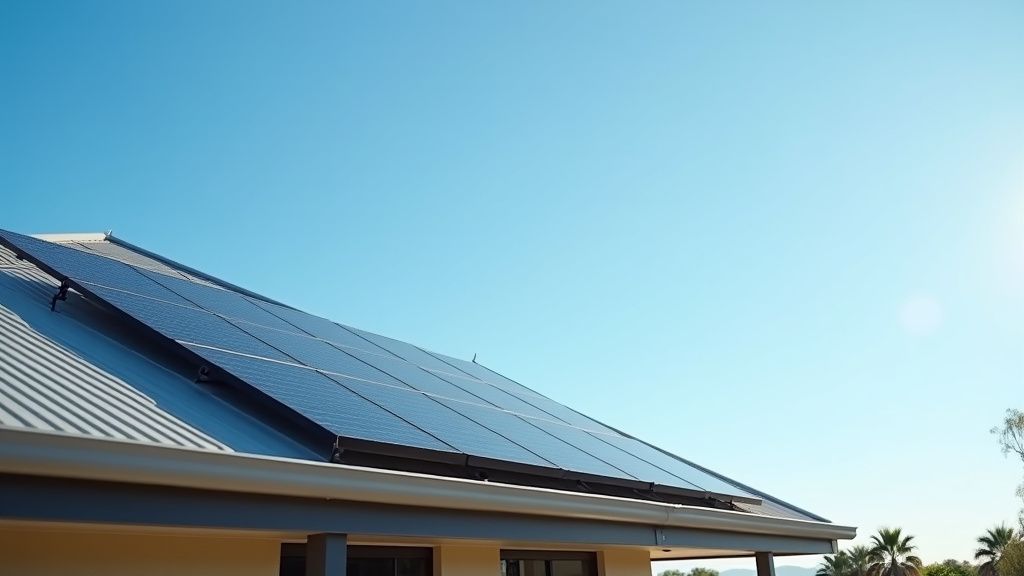
Solar Battery Payback: Install Now or Wait for the Future?
Are you an Aussie homeowner wrestling with the decision of installing a solar battery? You're not alone! With energy prices constantly fluctuating and grid reliability sometimes questionable, the allure of energy independence is stronger than ever. But is buying a battery now the right move, or should you hold off, hoping for better deals and improved tech?
The big question is always payback: how long will it take for the savings on your electricity bill to cover the initial investment of a battery system? It's a complex equation with a lot of moving parts, and here at SolarInsights, we're here to break it down for you. For a more in-depth look, check out our Complete Guide on understanding solar battery lifespan.
The Rising Tide of Battery Interest
We're seeing more and more Australian homeowners seriously considering solar batteries, not just as a fancy upgrade, but as a financially sound, forward-thinking investment. Several factors are driving this trend:
- Soaring Electricity Prices: Let's face it, electricity bills are only going up. Demand is increasing, infrastructure is aging, and global events are impacting energy costs. Batteries offer a way to mitigate these rising costs by storing excess solar energy for use during peak times, reducing reliance on the grid.
- The Quest for Energy Independence: More Aussies are embracing sustainable living and want greater control over their energy consumption. Solar batteries provide a way to achieve this independence by harnessing the power of the sun and becoming less reliant on external energy suppliers. This is especially valuable when grid reliability is uncertain.
- Technological Advancements: Battery technology is evolving rapidly. Innovations like improved lithium-ion batteries and the emergence of alternative storage solutions are boosting performance, lifespan, and affordability. Smart technology integration also allows homeowners to monitor and optimise their energy usage in real time.
- Environmental Responsibility: Concerns about climate change are growing, and many homeowners want to reduce their carbon footprint. By investing in battery storage, you can maximise your use of renewable energy and minimise your reliance on fossil fuels, contributing to local and national sustainability goals.
- Resilience Against Outages: Extreme weather events are becoming more frequent, making a reliable power supply a major concern. Battery storage systems enhance household resilience by providing backup power during outages or grid instability. This is invaluable in areas prone to storms and heatwaves that can disrupt the power supply.
What Impacts Battery Payback?
Before diving in, it's vital to understand the key factors influencing how long it will take to recoup your investment. These factors are constantly evolving as technology advances, energy policies change, and market dynamics shift.
- Battery Technology: Advancements in battery technology are significantly impacting payback timelines. Improved energy density means batteries can store more energy in a smaller space, leading to more efficient energy storage and usage. Higher efficiency translates to less energy loss, maximising your solar power system's output.
- Energy Prices: The price you pay for electricity from the grid plays a huge role. The higher the price, the more you save by using stored solar energy, and the faster your payback. Time-of-use tariffs (where electricity is more expensive during peak hours) can further accelerate payback.
- Feed-in Tariffs (FITs): The amount you receive for exporting excess solar energy back to the grid also affects the equation. Lower FITs make storing energy more attractive, as you're better off using it yourself than selling it cheaply.
- Incentives and Rebates: Government rebates and incentives can significantly reduce the upfront cost of a battery system, shortening the payback period. Be sure to check what's available in your state or territory.
- System Size and Usage: The size of your solar system and battery, along with your household's energy consumption patterns, will impact savings. A larger system might generate more excess energy, but a smaller battery might not be able to store it all. Understanding your energy needs is crucial.
Install Now or Wait? The Verdict
So, should you take the plunge now or wait? There's no easy answer, as it depends on your individual circumstances.
Arguments for Installing Now:
- Lock in Current Incentives: Government incentives can change, so acting now may secure you a better deal.
- Immediate Savings: You'll start saving on your electricity bills right away.
- Energy Independence: Gain greater control over your energy supply and reduce reliance on the grid.
- Increased Home Value: Solar and battery systems can increase the value of your property.
Arguments for Waiting:
- Potential Price Drops: Battery prices could continue to fall as technology improves, although predicting the future is always difficult.
- Further Technological Advancements: Batteries may become more efficient and have longer lifespans in the future.
The bottom line: Carefully consider your energy needs, budget, and tolerance for risk. Get quotes from reputable installers, factor in available incentives, and analyse your potential savings.
Ultimately, the decision to install a solar battery is a personal one. By carefully weighing the factors outlined above, you can make an informed decision that's right for your home and your wallet. Stay tuned to SolarInsights for the latest updates and insights on solar energy and battery technology in Australia!
