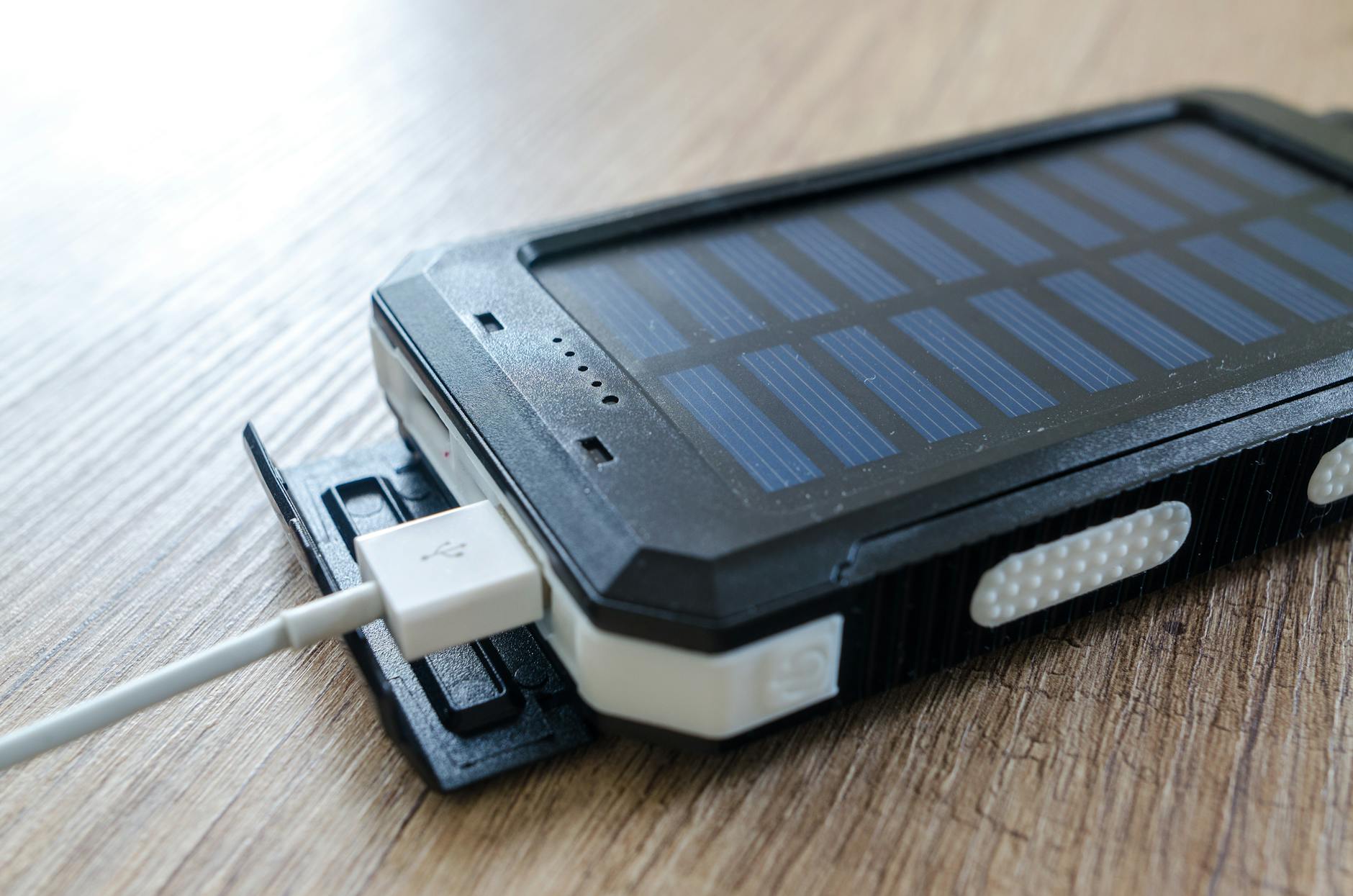
Diving Deep: An In-Depth Review of a Solar Battery System
Considering a solar battery system for your home? It's a big decision, and one that requires careful consideration. This comprehensive review will equip you with the knowledge you need to make an informed choice about whether a solar battery is right for you. If you're new to the world of solar batteries, check out our Complete Guide for a solid foundation.
Understanding the Australian Solar Battery Landscape
The Australian solar battery market is booming, with a diverse range of brands and technologies available. Choosing the right system can feel overwhelming, but understanding the key factors will simplify the process.
Popular Brands: While preferences shift, industry experts suggest that Tesla and Sungrow are current frontrunners, with other brands like Sigenergy and BYD also being popular choices. Ultimately, the 'best' brand for you depends on your individual needs and budget.
Cost Considerations: A decent-sized (around 10kWh) solar battery system will typically start at approximately $7,000 before installation. This price can vary significantly depending on the brand, storage capacity, and features.
Government Incentives: Take advantage of government rebates to help reduce the initial investment. A Federal Battery Rebate is currently available Australia wide, which offers a discount per usable kWh of battery storage. Western Australia also offers its own state rebate, which can be combined with the federal incentive for even greater savings. Check your local state government website for current rebate amounts and eligibility criteria.
Key Considerations Before You Buy
Before you rush into a purchase, consider these crucial factors:
- Energy Consumption: Analyse your energy usage patterns. How much electricity do you consume during the day and at night? This will help you determine the appropriate battery size to meet your needs.
- Inverter Size: Be wary of cheap deals offering large batteries paired with small inverters. While a large battery might seem appealing, a small inverter can limit the rate at which the battery charges from your solar panels and the amount of power it can supply to your home. This can result in you still drawing power from the grid even with a fully charged battery. Ensure the inverter's power rating (kW) is sufficient for your household's energy demands, particularly if you use significant power for heating, hot water, or electric vehicle charging.
- Installation Costs: Don't forget to factor in installation costs. A standard installation can add at least $2,000 to the overall price, while more complex installations (e.g., longer cable runs, fireproof backing) can cost even more.
- Payback Period: Calculate the payback period for your investment. This depends on factors such as your energy consumption, solar panel output, electricity prices, and any available government incentives. Keep in mind that payback periods can vary significantly.
Choosing the Right System
Selecting the ideal solar battery system involves careful consideration of several key specifications:
- Storage Capacity (kWh): This determines the amount of energy the battery can store.
- Power Output (kW): This indicates how much power the battery can deliver at any given time.
- Depth of Discharge (DoD): This refers to the percentage of the battery's capacity that can be used without damaging it. A higher DoD is generally preferable.
- Warranty: Look for a comprehensive warranty that covers both the battery and the inverter.
- Battery Technology: Lithium-ion batteries are currently the most common type of solar battery, offering a good balance of performance, lifespan, and cost.
Avoiding the Pitfalls
The solar industry, like any other, has its share of less-than-reputable players. Here's how to protect yourself:
- Beware of Aggressive Sales Tactics: Don't feel pressured into making a decision. Take your time to research different options and compare quotes.
- Avoid Door-Knockers and Unsolicited Mailings: These are often signs of scams or poor-quality products.
- Get Multiple Quotes: Obtain quotes from at least three different installers to compare prices and system specifications.
- Check Reviews and References: Read online reviews and ask for references from previous customers.
- Ensure Proper Installation: DIY electrical work is illegal and dangerous in Australia. Always use a licensed and experienced solar installer.
Is a Solar Battery Worth It?
The ultimate question is: is a solar battery a worthwhile investment? The answer depends on your individual circumstances. If you have high energy consumption, a suitable solar panel system, and live in an area with high electricity prices, a solar battery can significantly reduce your energy bills and increase your energy independence. However, it's essential to carefully consider the costs, payback period, and available incentives before making a decision. By doing your research and working with a reputable installer, you can make an informed choice and enjoy the benefits of solar battery storage.
