Sunburnt Suburbs: How Urban Planning Exacerbates Solar Grid Challenges in Australia
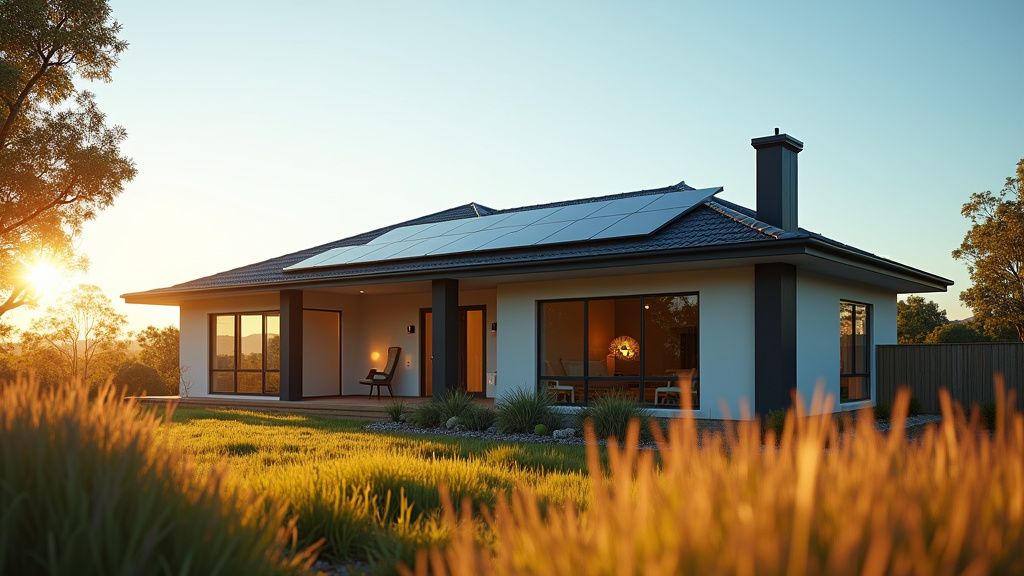
Australia is basking in solar success, with rooftop panels popping up faster than you can say "fair dinkum." But this clean energy boom has a hidden snag: we're generating so much solar power that our electricity grid is struggling to keep up. It's a bit like having too much of a good thing, leading to potential blackouts and wasted energy. One often overlooked contributor to this problem is… you guessed it: urban planning. Before we delve deeper, check out our Complete Guide to understand the wider context.
The Midday Solar Surge
The crux of the issue is simple: solar panels pump out the most power during the middle of the day when demand is relatively low. Think about it: most people are at work or school, and many businesses are already running efficiently. This creates a glut of electricity on the grid, overwhelming its capacity. In contrast, demand peaks in the evenings when people come home, switch on lights, and fire up appliances – precisely when solar generation is fading. This mismatch puts enormous strain on the grid, causing imbalances that can lead to instability and even system-wide failures.
How Urban Sprawl Makes it Worse
Urban planning decisions, particularly in sprawling suburban developments, significantly amplify these solar grid challenges in several ways:
- Homogenous Rooftops: Many new suburbs feature similar house designs with consistent roof orientations. This leads to a concentrated solar output around midday, hitting the grid with a massive, synchronised surge of power. Greater diversity in roof orientation and tilt angles could spread out solar generation more evenly throughout the day.
- Lack of Local Load: Modern suburbs are often designed with residential zoning strictly separated from commercial and industrial areas. This means that the solar power generated locally isn't necessarily consumed locally. The excess power needs to be transmitted across longer distances, straining distribution networks and contributing to grid congestion. Integrating mixed-use developments, where businesses and industries are located closer to residential areas, could create more localised electricity demand, absorbing some of the excess solar power.
- Limited Grid Infrastructure: New suburban developments are often built with minimal investment in supporting grid infrastructure. The existing network may simply not be capable of handling the influx of solar power generated by hundreds or thousands of homes in a concentrated area. This can lead to voltage fluctuations, frequency instability, and the need to curtail solar generation, effectively wasting clean energy. Investment in upgraded substations, smart grids, and enhanced distribution networks is crucial.
- Car-Dependent Design: Suburbs designed around car dependency often mean that residents are further away from jobs, shops and other services, leading to more reliance on vehicles and less energy efficiency overall. Urban design that prioritises public transport, cycling, and walking can reduce overall energy consumption and potentially offset the impact of solar oversupply.
The Consequences
The consequences of these planning failures are significant:
- Negative Prices: When solar generation exceeds demand, wholesale electricity prices can plummet, even going negative. While this might sound good for consumers in the short term, it discourages future investment in renewable energy projects.
- Curtailment: Grid operators may be forced to "switch off" solar farms or rooftop systems to maintain grid stability. This means perfectly good, clean energy is wasted, undermining our climate goals.
- Grid Instability: Extreme imbalances in supply and demand can lead to frequency and voltage fluctuations, potentially damaging equipment and causing blackouts.
Solutions: A Smarter Approach to Planning
Fortunately, there are solutions. By embracing smarter urban planning principles, we can mitigate the solar grid challenges and unlock the full potential of renewable energy:
- Encourage Diverse Housing Designs: Promote a mix of housing types and roof orientations to distribute solar generation more evenly.
- Mixed-Use Zoning: Integrate residential, commercial, and industrial areas to create local load centres and reduce the need for long-distance transmission.
- Invest in Grid Infrastructure: Upgrade substations, deploy smart grids, and enhance distribution networks to handle the influx of renewable energy.
- Promote Energy Storage: Incentivise the installation of household and community batteries to absorb excess solar power and release it when demand is high. The government rebates being offered are a great starting point, but more strategic incentives are needed.
- Active Demand Response: Encourage households and businesses to shift their electricity use to the middle of the day through time-of-use tariffs and smart appliances.
- Embrace Green Hydrogen: Use surplus renewable power to produce green hydrogen, which can be used in industry, transport, or for export.
A Sunny Future, Powered by Smart Planning
Australia's solar success story is something to celebrate. But to ensure a reliable and affordable clean energy future, we need to address the challenges of grid integration. By embracing smarter urban planning principles, we can create communities that are not only sustainable but also resilient and energy-efficient. The future of Australian energy relies on it.
