Solar Power Saves the Day: How Rooftop Panels Averted Blackouts During Australia's Heatwave
Another scorching summer day in Australia, and instead of the usual hand-wringing about potential blackouts, there was a sense of… calm? This year's heatwave pushed demand to record levels, but our electricity grid held remarkably steady. The secret? Solar power.
As temperatures soared into the 40s across much of southern Australia, rooftop solar panels played a pivotal role in keeping the lights on and air conditioners humming. It’s a story that highlights the increasingly crucial role solar energy is playing in Australia’s energy landscape. For a deeper dive, check out our Complete Guide.
Historically, extreme heat has been a major stress test for the electricity grid. High temperatures drive demand sky-high as everyone cranks up their air conditioning. In the past, this meant relying heavily on coal and gas-fired power plants to run at full capacity for extended periods, struggling to keep up with the unrelenting demand. As recently as 2019, during another severe heatwave, this was largely the case. Coal and gas plants bore the brunt of the energy burden.
However, this year was different. While underlying electricity demand surged to a record-breaking peak, the grid managed the pressure with far fewer issues than anticipated. The Australian Energy Market Operator (AEMO), responsible for managing the National Electricity Market (NEM), issued fewer warnings about potential supply shortages. Energy commentators, typically quick to highlight potential grid instability, were notably less vocal. Why? Because the sun, once seen as a liability during heatwaves, has become a major asset.
The Solar Shift: From Liability to Lifesaver
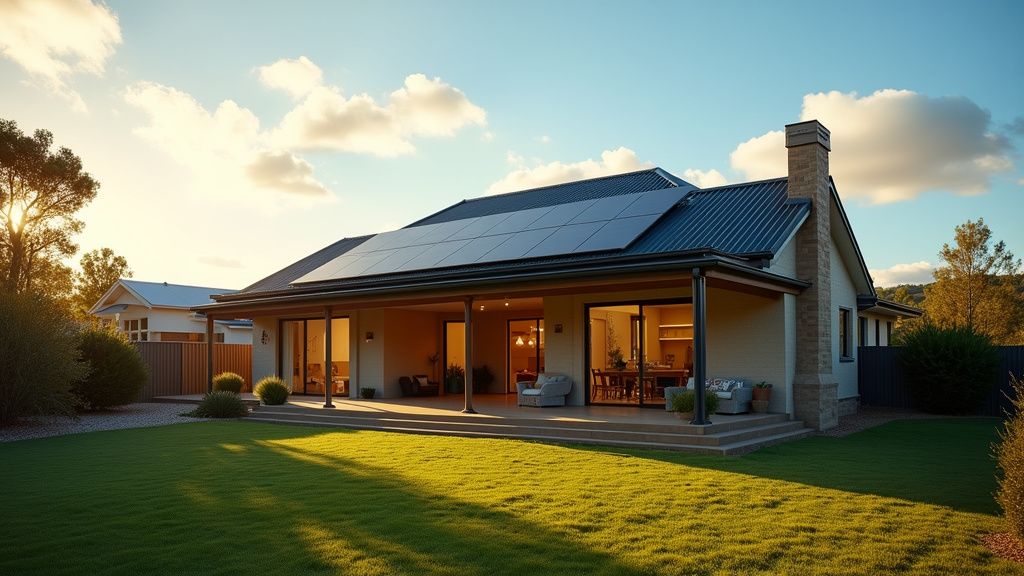
The key difference this year was the significant contribution from rooftop solar installations. The widespread adoption of solar panels across Australian homes and businesses is fundamentally changing how we manage peak electricity demand. Instead of relying solely on centralized power plants, a significant portion of the demand is being met by distributed solar generation. This means that during the hottest part of the day, when air conditioners are working overtime, homes with solar panels are drawing less power from the grid, reducing the overall strain.
This shift is not about demand easing, in fact, peak underlying demand is higher than it was in 2019. Summer heat continues to be a defining challenge. The game changer is how we're meeting this demand.
Quantifying the Impact: A Solar Success Story
While precise figures vary depending on location and time, the overall impact of solar power on the grid during the heatwave was undeniable. Solar energy significantly reduced the need for coal and gas-fired power plants to operate at full capacity for extended periods. It effectively flattened the demand curve, preventing potential overloads and blackouts. This not only ensures a more reliable electricity supply but also contributes to lower wholesale electricity prices.
The Benefits Beyond Blackout Prevention
The benefits of solar power extend beyond simply preventing blackouts during heatwaves. By reducing our reliance on fossil fuels, solar energy contributes to a cleaner and more sustainable energy future for Australia. Solar power also reduces greenhouse gas emissions and combats climate change. Furthermore, widespread solar adoption empowers households and businesses to take control of their energy costs, shielding them from volatile fossil fuel prices. A typical household with a 6.6kW solar system in Australia can save anywhere from $1,000 to $2,000 per year on their electricity bills, depending on usage and feed-in tariffs.
Challenges and Future Directions
Despite the success of solar power during the recent heatwave, challenges remain. One major issue is the intermittency of solar energy. Solar panels only generate electricity when the sun is shining, so strategies are needed to ensure a reliable supply when the sun goes down or on cloudy days. Solutions include:
- Battery Storage: Battery systems, like Tesla Powerwalls or similar Australian-made alternatives, allow households and businesses to store excess solar energy for later use.
- Grid-Scale Batteries: Large-scale battery storage projects are being developed to provide grid stability and backup power.
- Improved Grid Infrastructure: Upgrading the electricity grid to better integrate renewable energy sources and manage fluctuating supply is essential.
- Demand Response Programs: Encouraging consumers to shift their energy consumption to off-peak hours can help balance supply and demand.
Investing in a Sustainable Future
Australia's experience during the recent heatwave demonstrates the vital role solar power plays in ensuring a reliable and sustainable energy supply. By continuing to invest in solar energy, battery storage, and grid infrastructure, we can build a more resilient and environmentally friendly energy system for the future. If you're considering going solar, now is a great time to investigate your options and contribute to a brighter, greener future for Australia. Speak to a reputable installer to discuss your specific energy needs and find the right solar solution for your home or business.
