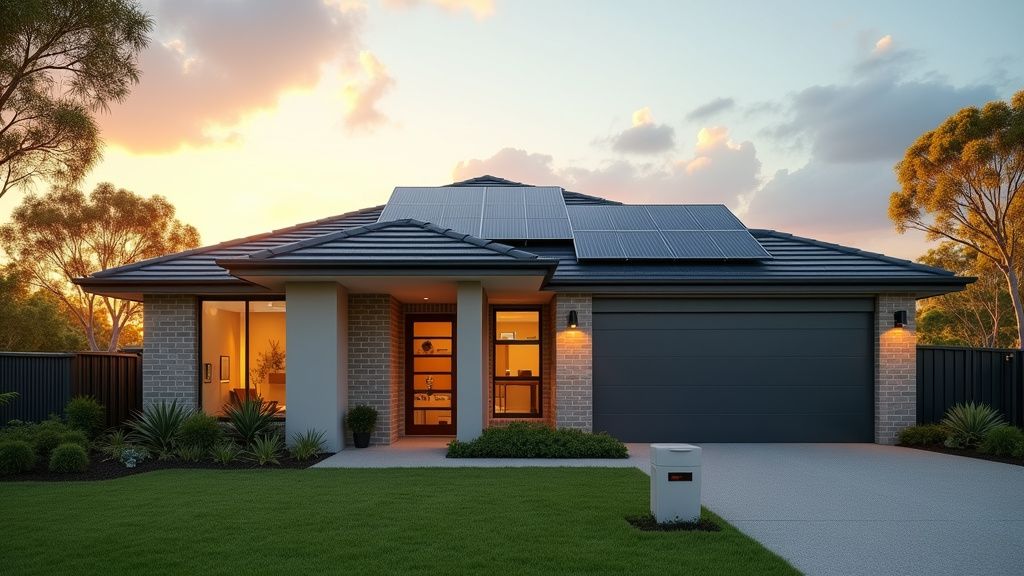
Power Up Your Savings: Understanding Solar Batteries and Rooftop Solar
G'day Aussies! As an independent journalist for SolarInsights, I'm here to break down a hot topic: solar batteries and how they team up with your rooftop solar panels. We all know Australia is blessed with sunshine, and many of us are already harnessing that power with solar panels. But what happens when the sun goes down, or when those pesky clouds roll in? That's where solar batteries enter the scene, offering a way to become even more energy independent and save even more on your electricity bills.
The Dynamic Duo: Solar Panels and Batteries Working Together
Think of your solar panels as the power plant and your solar battery as the energy storage unit. Your panels diligently convert sunlight into electricity, which is then used to power your home. Any excess energy, instead of being sent back to the grid (often at a lower feed-in tariff than what you pay to buy electricity), can be stored in your solar battery. This stored energy can then be used to power your home at night, during peak demand periods, or even during a power outage.
How Does it All Work? A Step-by-Step Guide
Let's break down the process:
- Sunlight Hits the Panels: Your rooftop solar panels absorb sunlight and convert it into direct current (DC) electricity.
- Inverter Conversion: An inverter converts the DC electricity into alternating current (AC) electricity, which is what your home appliances use. Most modern systems use a hybrid inverter that manages the solar power, battery charging, and grid interaction.
- Home Consumption: The AC electricity powers your home, running your fridge, lights, TV, and everything else.
- Battery Charging (Excess Energy): If your solar panels are producing more electricity than your home needs, the excess electricity is directed to your solar battery for storage. The hybrid inverter is crucial here, managing the flow of energy to charge the battery efficiently.
- Battery Discharge (When Needed): When your solar panels aren't producing enough electricity (e.g., at night or on cloudy days), your home draws power from the stored energy in your solar battery. Again, the inverter manages this process seamlessly.
- Grid Connection (Backup): If your solar battery runs out of stored energy, your home will automatically switch back to drawing power from the electricity grid. You won't even notice the change! Some advanced systems can also isolate your house from the grid during a blackout providing critical backup power.
The Benefits of Adding a Solar Battery
- Increased Energy Independence: Reduce your reliance on the electricity grid and become more self-sufficient, especially during peak demand periods when electricity prices are highest.
- Lower Electricity Bills: By using stored solar energy instead of buying electricity from the grid, you can significantly reduce your power bills.
- Backup Power: Many solar battery systems provide backup power during grid outages, keeping essential appliances running. This is a valuable feature, especially in areas prone to storms or other disruptions.
- Environmental Benefits: By using more renewable energy and less grid electricity (often generated from fossil fuels), you're reducing your carbon footprint.
- Increased Home Value: A solar panel system with a battery can increase the value of your home, making it more attractive to potential buyers.
Choosing the Right Solar Battery: Factors to Consider
Selecting the right solar battery for your needs requires careful consideration. Here are some key factors to keep in mind:
- Storage Capacity: How much energy can the battery store? This is measured in kilowatt-hours (kWh). Consider your average energy consumption and choose a battery with enough capacity to meet your needs. A typical household might require a battery with a capacity between 5 kWh and 15 kWh.
- Power Output: How much power can the battery deliver at any given time? This is measured in kilowatts (kW). Make sure the battery can handle the peak power demands of your home.
- Depth of Discharge (DoD): This refers to the percentage of the battery's capacity that can be used before it needs to be recharged. A higher DoD means you can use more of the stored energy.
- Battery Life: How long will the battery last? This is usually measured in cycles (one charge and discharge). Lithium-ion batteries, the most common type for solar storage, typically last for thousands of cycles.
- Warranty: A good warranty provides peace of mind and protects your investment. Look for a warranty that covers both the battery and the inverter.
- Cost: Solar batteries can range in price from around $8,000 to $20,000 or more, depending on the size and features. Keep in mind that government rebates and incentives may be available to help offset the cost.
- Installation: Ensure the battery is installed by a qualified and licensed electrician.
Government Incentives and Rebates
The Australian government and some state governments offer incentives and rebates to encourage the adoption of solar batteries. These incentives can significantly reduce the upfront cost of installation. Check with your state government or a reputable solar installer to see what rebates are available in your area. For example, some states offer interest-free loans or subsidies to help homeowners purchase and install solar batteries.
Is a Solar Battery Right for You?
Investing in a solar battery is a significant decision. To determine if it's right for you, consider the following:
- Your Energy Consumption: Analyze your electricity bills to understand your energy usage patterns.
- Your Solar Panel System: Is your current solar panel system compatible with battery storage?
- Your Budget: Can you afford the upfront cost of a solar battery?
- Your Energy Goals: Are you primarily interested in saving money, increasing energy independence, or providing backup power?
By carefully considering these factors, you can make an informed decision about whether a solar battery is the right choice for your home. Ultimately, integrating a solar battery with your rooftop solar panels offers a compelling path towards a more sustainable and cost-effective energy future. Happy solar powering!
