Solar Power Surges: How Australia Achieved Over 60% Renewable Energy During Peak Demand
Australia's renewable energy sector recently reached a significant milestone, demonstrating the nation's commitment to a cleaner energy future. We saw solar power generation surge to over 60% during peak demand! This is a landmark achievement and shows that solar power is now a mainstream, reliable energy source. But how exactly did Australia achieve this incredible feat?
Harnessing Australia's Natural Advantage:
Australia is blessed with abundant sunshine, one of the highest solar radiation levels in the world. Most areas enjoy over 2,000 hours of sunshine each year, making solar energy an ideal and increasingly economical choice for powering homes and businesses. This natural advantage has been a key driver in Australia's solar success story.
The Rise of Rooftop Solar:
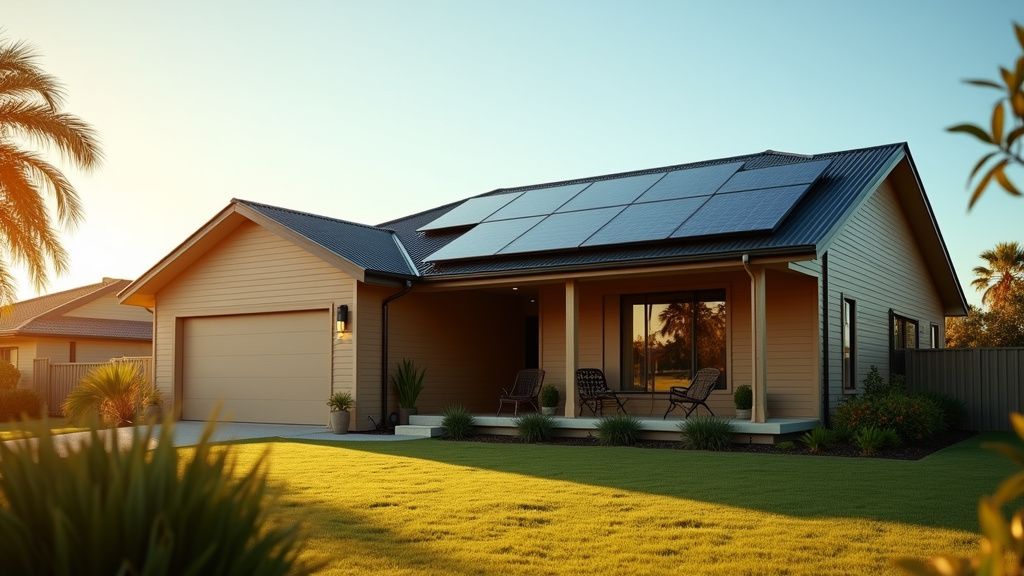
One of the most significant contributors to this achievement is the widespread adoption of rooftop solar panels. Over 3.5 million Australian households are now generating their own electricity from the sun. This surge in residential solar has several benefits: it reduces reliance on the grid, helps families save money on energy bills, and plays a crucial role in the overall transition to renewable energy.
Beyond the Savings: Embracing Sustainability:
The decision to go solar isn't just about saving money; it's about embracing a more sustainable lifestyle. With advancements in solar battery technology and smart home systems, homeowners can now store excess solar power generated during the day and use it at night or during periods of low sunshine. This allows for greater energy independence and maximizes the benefits of solar investment.
Busting Solar Myths:
Despite the growing popularity of solar energy, some misconceptions still exist. Let's debunk some of the most common myths:
- Myth 1: Solar panels don't work on cloudy days. While solar panels perform best under direct sunlight, they still generate power on cloudy days, albeit at a reduced rate. Data from the Australian Energy Market Operator (AEMO) shows that even large-scale solar farms can achieve up to 60% of their regular output under moderate cloud cover. So, even on overcast days, your solar panels are still contributing to your energy needs.
- Myth 2: Solar energy is too expensive. The cost of solar systems has dropped dramatically in recent years – over 70% in the last decade, thanks to technological advancements, increased competition, and government support for renewable energy. Federal and state government incentives can further reduce the upfront costs, making solar accessible to more households. Many providers even offer options like $0 upfront cost and flexible payment plans.
- Myth 3: Solar panels require constant maintenance. Modern solar systems are designed to be durable and low-maintenance, built to withstand Australia's harsh climate. Occasional cleaning to remove dust or debris is usually all that's needed to maintain optimal performance.
- Myth 4: Solar panels decrease home value. Quite the opposite! Homes with solar panels are increasingly attractive to buyers. Energy-efficient homes can sell faster and for higher prices, particularly in sunny states like Queensland and Victoria. Modern solar installations are also sleek and designed to complement various roof styles, enhancing the aesthetic appeal of your home.
The Role of Battery Storage:
The increasing use of battery storage is a critical piece of the puzzle. By storing excess solar energy generated during the day, households can use it to power their homes at night or during cloudy periods, further reducing their reliance on the grid and maximizing their solar investment.
Government Support and Incentives:
Government initiatives, such as rebates and feed-in tariffs, have played a crucial role in driving the adoption of solar energy in Australia. These incentives reduce the initial investment cost and make solar more financially appealing to homeowners and businesses. Check with your state government for current rebates and incentives.
Looking Ahead:
Australia's success in achieving over 60% solar power during peak demand is a testament to the country's commitment to renewable energy. By embracing rooftop solar, investing in battery storage, and dispelling common myths, Australia is well on its way to a cleaner and more sustainable energy future. As technology continues to advance and costs continue to fall, solar power will undoubtedly play an even greater role in powering our nation.
