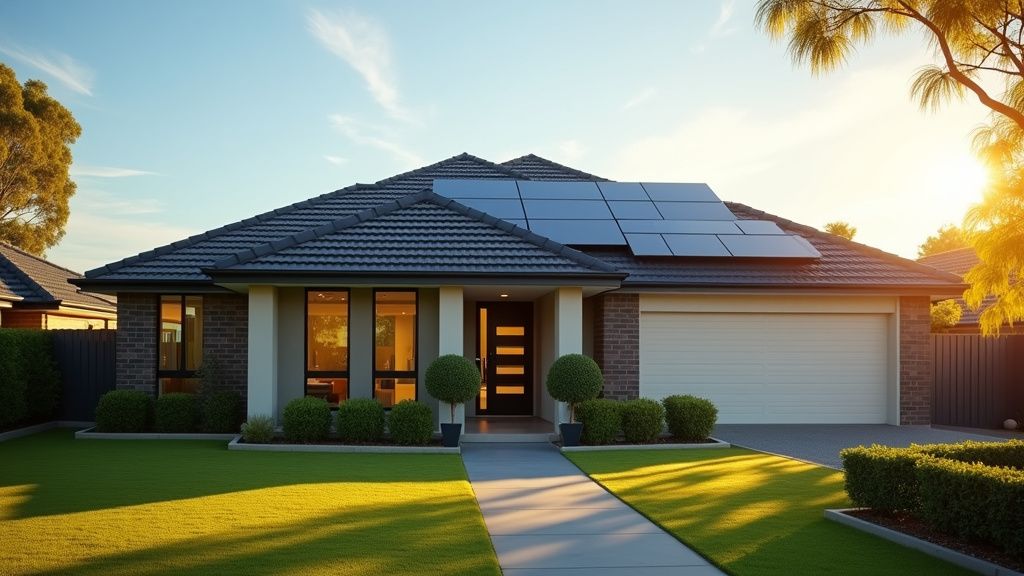
Powering Your Melbourne Home: Navigating Solar Panel Financing Options
Thinking of joining the solar revolution and installing panels on your Melbourne home? That's a fantastic idea! Solar power is not only environmentally friendly, but it can also significantly reduce your electricity bills. But let's face it, the upfront cost of a solar system can be a barrier for many. Fortunately, there are various financing options available to help make solar energy accessible to more Melburnians.
Before we dive in, if you're just getting started with solar panels in Melbourne, check out this Complete Guide for a comprehensive overview of the process, costs and potential savings.
Understanding the upfront costs
The initial investment for a solar panel system depends on factors like the size of your home, your energy consumption, and the type of panels you choose. A typical residential system in Melbourne might range from $5,000 to $10,000 or more, after incentives are applied.
Australian Government Incentives
The Australian Government provides several programs to reduce the financial burden of going solar. A key initiative is the Small-scale Renewable Energy Scheme (SRES), which offers a discount on most new residential and business rooftop solar systems.
The SRES operates through Small-scale Technology Certificates (STCs). When you install an eligible solar system, you're entitled to a certain number of STCs, which are essentially a tradable form of renewable energy credit. Your solar retailer or installer typically handles the application and sale of these STCs, and the value is then deducted from the overall cost of your system.
Eligibility for STCs requires that the system is installed by a Solar Accreditation Australia accredited installer and that the panels and inverter are approved by the Clean Energy Council. The number of STCs you receive depends on the expected electricity generation of your system up until 2030, which is calculated based on factors like location and system size.
From July 1, 2025, the government's "Cheaper Home Batteries Program" will also provide a significant discount (around 30%) on the cost of installing a battery alongside your solar panels. This program also operates through the SRES, with the discount typically applied by the solar retailer or installer.
Loans: A common path to solar
One of the most popular ways to finance a solar panel system is through a loan. Several types of loans are available, each with its own advantages and disadvantages:
- Personal Loans: These are unsecured loans that can be used for any purpose, including solar panel installation. Interest rates can vary depending on your credit score and the lender.
- Secured Loans: These loans are secured against an asset, such as your home. This can result in lower interest rates compared to personal loans, but it also carries the risk of losing your asset if you can't repay the loan.
- Green Loans/Solar Loans: Some lenders offer specialized loans specifically for renewable energy projects. These loans often have competitive interest rates and terms tailored to solar panel installations. Look for options that consider the energy savings you'll be making!
- Home Equity Loans: If you have equity in your home, you may be able to borrow against it to finance your solar system. Interest rates on home equity loans are generally lower than personal loans.
When comparing loan options, consider the interest rate, loan term, fees, and repayment schedule. It's also a good idea to calculate the total cost of the loan over its lifetime to understand the true cost of financing your solar system.
Payment Plans
Some solar installers offer in-house payment plans. These plans may allow you to spread the cost of the system over a period of time, often without requiring a credit check. However, interest rates and fees may be higher compared to traditional loans. Carefully evaluate the terms and conditions before committing to a payment plan.
State and Local Government Support
Beyond the federal incentives, be sure to investigate what support is available from the Victorian State Government and your local Melbourne council. These may include rebates, grants, or low-interest loan programs specifically for solar panel installations. These programs can vary and may have specific eligibility criteria, so check the relevant government websites for the most up-to-date information.
Community Solar Banks Program
For those living in apartment buildings or multi-unit dwellings where individual solar panel installation isn't feasible, the Australian Government's Community Solar Banks Program offers a solution. This program supports the installation of shared solar systems, helping to lower electricity costs for up to 25,000 households. It particularly targets those who can't install their own systems, such as renters. This program is delivered in partnership with state and territory governments.
Making the right choice
Choosing the right financing option for your solar panels depends on your individual circumstances and financial situation. It's crucial to carefully research all available options, compare interest rates and terms, and consider your long-term budget and energy savings. With the right financing in place, you can harness the power of the sun and enjoy the benefits of clean, affordable energy for years to come. Don't hesitate to seek advice from financial professionals or solar energy experts to help you make an informed decision.
