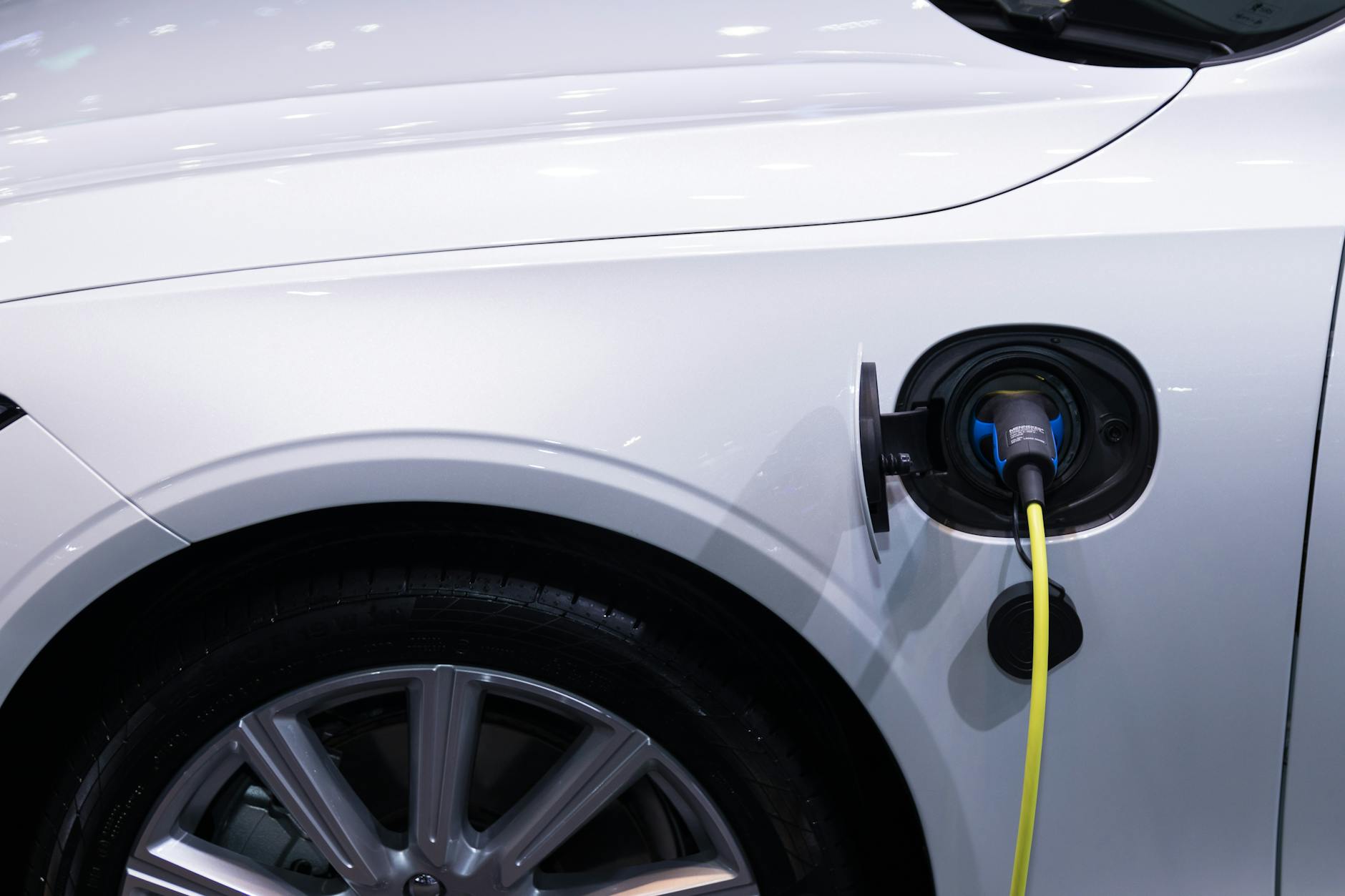
Powering the Future: Exploring Bidirectional EV Charging in Australia
Electric vehicles (EVs) are no longer just a mode of transport; they're becoming mobile energy storage units. Bidirectional EV charging is a game-changing technology set to revolutionise how Australians use and interact with electricity, offering exciting possibilities for homeowners and the national grid. This article delves into the world of bidirectional charging, explaining the key concepts of Vehicle-to-Grid (V2G), Vehicle-to-Home (V2H), and Vehicle-to-Load (V2L). If you're considering installing an EV charger, you'll want to read our Complete Guide to understand all the options.
What is Bidirectional EV Charging?
Traditional EV chargers only allow energy to flow in one direction: from the grid (or solar panels) into your EV battery. Bidirectional chargers, however, enable a two-way flow of electricity. This means your EV can not only draw power but also send it back to your home or the grid. This two-way capability unlocks a range of benefits.
Understanding V2G, V2H, and V2L
Let's break down the different applications of bidirectional charging:
-
Vehicle-to-Grid (V2G): Imagine your EV contributing to the stability of the entire electricity network. V2G technology allows your EV to send stored energy back to the grid, particularly during peak demand periods. This helps balance the supply and demand of electricity, preventing blackouts and improving grid resilience. Some energy providers are even exploring offering incentives or credits to EV owners who participate in V2G programs, potentially turning your car into a source of passive income.
-
Vehicle-to-Home (V2H): V2H transforms your EV into a home battery. During the day, you can use excess solar energy to charge your EV. Then, at night, you can discharge that stored energy to power your home, reducing your reliance on the grid and lowering your electricity bills. This is especially beneficial for households with solar panels, allowing them to maximise the use of their self-generated renewable energy.
-
Vehicle-to-Load (V2L): V2L is the most readily available form of bidirectional charging currently in Australia. It allows you to use your EV as a portable power source for external devices and appliances. Think of it as a giant power bank on wheels. V2L is perfect for camping trips, powering tools on a worksite, or providing backup power during a blackout. Many EVs already offer this feature through a standard outlet.
The Benefits of Bidirectional Charging in Australia
Bidirectional charging offers several compelling advantages for Australian consumers and the environment:
-
Increased Renewable Energy Integration: Bidirectional charging helps integrate more renewable energy into the grid by storing excess solar power during the day and releasing it when needed.
-
Reduced Energy Costs: V2H can significantly lower your household electricity bills by utilising stored energy instead of drawing from the grid.
-
Grid Stabilisation: V2G contributes to grid stability by providing a flexible source of power during peak demand.
-
Emergency Power Backup: V2H and V2L can provide backup power during blackouts, ensuring essential appliances remain functional.
-
Potential Income Generation: V2G programs may offer financial incentives for EV owners who contribute to grid stability.
The Current State of Bidirectional Charging in Australia
While the potential of bidirectional charging is undeniable, the technology is still in its early stages of adoption in Australia. The Australian Renewable Energy Agency (ARENA) has created a roadmap for the integration of bidirectional EV chargers into the national grid. Small-scale trials have been conducted over the past five years, demonstrating the viability of the technology.
Several brands have announced bidirectional chargers for the Australian market, but many are still undergoing Clean Energy Council (CEC) approval and grid compatibility testing. Obtaining full CEC certification is a crucial step for widespread deployment. This involves thorough testing for compatibility with various EV models and local grid operators.
Challenges and Future Prospects
The bidirectional charger market is still developing. Several companies are working through compliance hurdles and grid testing. Some international brands have even paused or delayed their Australian V2G product launches. In the near future, EV owners interested in bidirectional charging may need to rely on third-party chargers undergoing phased testing and certification.
Is Bidirectional Charging Right for You?
Bidirectional charging represents a significant step towards a more sustainable and resilient energy future. While the technology is still evolving, the potential benefits for Australian households and the grid are substantial. As more chargers become certified and readily available, bidirectional charging is likely to become an increasingly attractive option for EV owners looking to maximise their investment and contribute to a cleaner energy future. Keep an eye on developments in this exciting field as Australia continues its transition to cleaner energy solutions.
