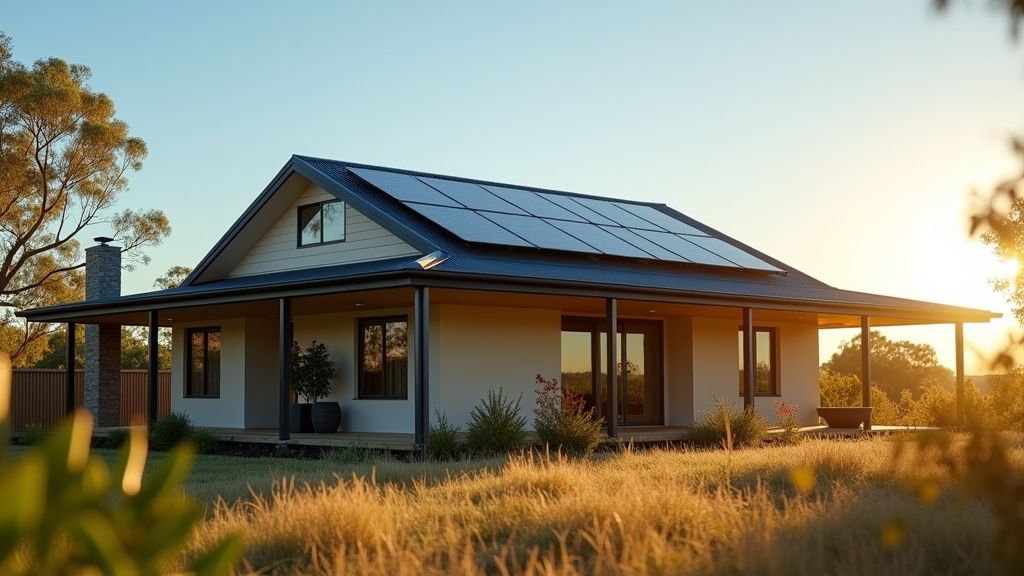
Supercharge Your Sunshine: Exploring Options to Expand Your Solar Capacity
Australia's love affair with solar energy continues to blossom. Over three million households are already enjoying the benefits of rooftop solar, and the appetite for clean, affordable energy is only growing. If you're an early adopter with a smaller, older system, or simply find your current setup isn't meeting your increasing energy needs, you might be considering an upgrade. But where do you start? What are your options for expanding your solar capacity?
Before we dive in, be sure to check out our Complete Guide for information on whether an inverter upgrade is right for you.
Australia's journey with solar has been remarkable. In the early days, rooftop systems were often quite small. However, as solar technology became more affordable, the average system size increased significantly. For example, figures show that the average household solar system size has jumped from around 2.6kW in 2012 to over 9.5kW by late 2021. This reflects both the decreasing cost of solar panels and Australians' growing desire for energy independence.
So, how can you join the ranks of those maximizing their solar potential? Let's explore your upgrade options.
1. Adding More Solar Panels
This is often the most straightforward approach. If you have available roof space, you can simply add more solar panels to your existing system. However, there are a few key considerations:
- Inverter Capacity: Your inverter is the heart of your solar system, converting the DC electricity produced by your panels into AC electricity that your home can use. It has a maximum capacity. Adding more panels than your inverter can handle won't increase your energy generation. You'll need to ensure your existing inverter can accommodate the extra load or consider upgrading it (as covered in the linked guide).
- Panel Compatibility: Ideally, you should add panels that are similar to your existing panels in terms of voltage and current. Mixing different types of panels can reduce overall system efficiency.
- Roof Space and Orientation: Ensure your roof has enough space and that the new panels will have a similar orientation (direction) to the existing ones for optimal sunlight exposure.
2. Replacing Your Existing Panels with Higher Efficiency Models
Solar panel technology has advanced rapidly in recent years. Newer panels are more efficient, meaning they can generate more electricity from the same amount of sunlight. If you're limited by roof space or your existing inverter capacity, replacing your old panels with higher efficiency models could be a smart move.
- Cost: This option is generally more expensive than simply adding more panels, as it involves replacing existing equipment. However, the increased energy production could lead to significant long-term savings.
- New Inverter Considerations: Similar to adding panels, replacing them with models with significantly different voltage or current characteristics may necessitate an inverter upgrade.
3. Adding Battery Storage
While not directly increasing your solar capacity, adding battery storage allows you to utilize more of the solar energy you generate. Instead of sending excess energy back to the grid (often for a relatively low feed-in tariff), you can store it in a battery to use later, such as during the evening or on cloudy days.
- Energy Independence: Batteries increase your self-consumption of solar energy, reducing your reliance on the grid and insulating you from rising electricity prices.
- Backup Power: Some battery systems can provide backup power during blackouts, keeping essential appliances running.
- Cost: Battery storage is a significant investment, but prices are steadily decreasing. Government rebates and incentives can help offset the cost. Residents of Adelaide, for example, are seeing increased demand for reliable solar battery storage.
Important Considerations Before You Upgrade
Before making any decisions, it's crucial to carefully consider the following:
- Your Energy Needs: How much energy do you currently consume? Do you anticipate your energy needs increasing in the future (e.g., adding an electric vehicle or air conditioning)?
- Your Budget: Upgrading your solar system is an investment. Determine how much you're willing to spend and explore financing options. Solar panels themselves are roughly $1 per watt to install.
- Government Incentives: The Australian government, through the Clean Energy Regulator (CER), offers incentives like Small-scale Technology Certificates (STCs) to encourage the adoption of renewable energy systems. These incentives can significantly reduce the upfront cost of your upgrade.
- Professional Advice: Consult with a qualified solar installer. They can assess your current system, evaluate your energy needs, and recommend the best upgrade option for your specific circumstances. They can also provide accurate quotes and help you navigate the paperwork for government incentives.
- Solar radiation levels: Australia's vast landscapes and abundant sunshine make it an ideal location for solar energy.
The Future is Bright (and Solar-Powered!)
Expanding your solar capacity is a fantastic way to reduce your energy bills, decrease your carbon footprint, and increase your energy independence. With careful planning and the right advice, you can supercharge your sunshine and enjoy the benefits of a cleaner, more sustainable future.
