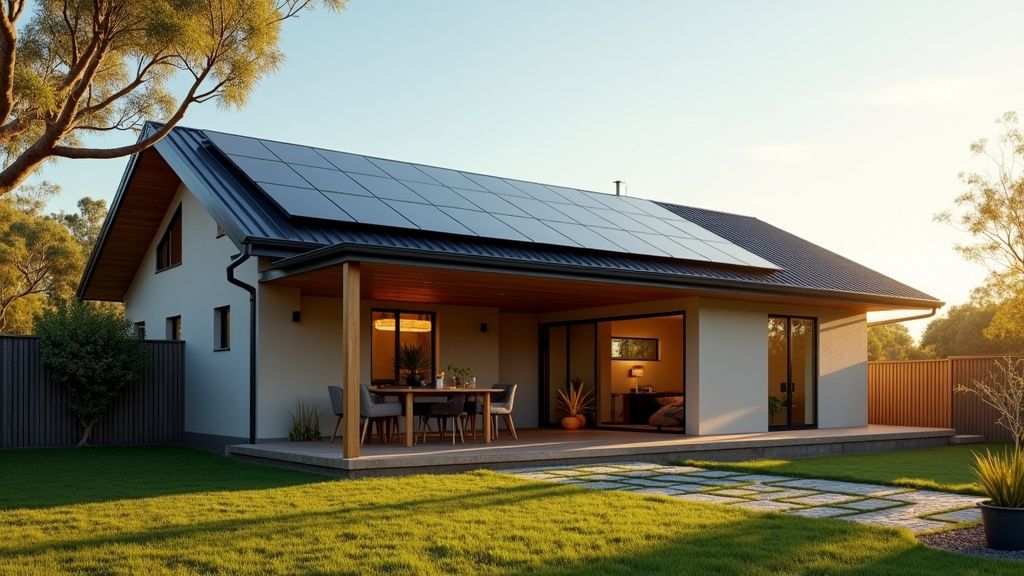
Power Up at Home: Your Complete Guide to EV Charging in Australia
Thinking of making the switch to an electric vehicle (EV)? Congratulations! One of the biggest advantages of EV ownership is the convenience of charging at home. No more trips to the petrol station – just plug in and power up in your own garage or driveway. This Complete Guide will walk you through everything you need to know about EV charging at home in Australia.
Why Charge at Home?
Around 80% of EV charging in Australia happens at home, and it's easy to see why. It’s convenient, cost-effective (especially if you have solar!), and allows you to wake up every morning with a fully charged battery. Plus, with smart charging options, you can even schedule your charging to take advantage of off-peak electricity rates.
Your Home Charging Options: Level 1 vs. Level 2
There are primarily two levels of EV charging available for home use:
Level 1: Standard Power Point Charging (Trickle Charging)
- How it works: This is the simplest and most accessible option. You use a standard 240V power point, just like the one you use for your toaster or kettle. You'll need an EV charging cable, which usually comes with the car or can be purchased separately.
- Charging Speed: Level 1 charging provides a relatively low power flow, typically around 2.4 kilowatts (kW). This means it can take a significant amount of time – potentially up to 24 hours – to fully charge an EV battery.
- Ideal for: Drivers who travel relatively short distances daily. The average Australian driver clocks around 33km per day, which might only use up to 10% of your EV's battery. If you can charge overnight or during the day, this might be sufficient.
- Important Safety Tip: Always plug the EV charging cable directly into the power point. Avoid using extension cords or power boards, just like you would with any other high-powered appliance.
Level 2: Dedicated Home Charging Station
- How it works: This involves installing a dedicated EV home charging station, also known as a wall box. These units deliver significantly more power than a standard power point.
- Charging Speed: Level 2 chargers typically offer charging speeds ranging from 7 kW to 22 kW. This can charge your EV much faster, adding between 30 to 80 km of driving range for each hour of charging.
- Ideal for: Drivers who regularly travel longer distances or need faster charging times.
- Installation: Level 2 chargers require professional installation by a licensed electrician, as they need to be directly connected to your home's power supply. This may also necessitate upgrades to your switchboard and supply connection.
Making the Right Choice: Factors to Consider
Choosing between Level 1 and Level 2 charging depends on your individual needs and driving habits:
- Daily Mileage: How far do you typically drive each day? If your commute is short, Level 1 might suffice.
- Charging Time: How quickly do you need to recharge your EV? If you need a full charge overnight, Level 2 is the better option.
- Budget: Level 2 chargers require installation costs, so factor that into your decision.
- Vehicle Requirements: Always consult your vehicle's owner's manual or contact the manufacturer to understand your EV's specific charging requirements. Some EVs can only handle certain charging rates.
Smart Charging: Optimising Your Energy Usage
Many modern EV chargers offer "smart charging" features. These allow you to:
- Schedule Charging: Set charging times to coincide with off-peak electricity rates, saving you money.
- Monitor Energy Consumption: Track your charging habits and energy usage through a mobile app.
- Remote Control: Start, stop, or adjust charging settings remotely via your smartphone.
Cost Considerations
The cost of charging your EV at home depends on several factors:
- Electricity Rates: Contact your electricity provider to understand your current rates, including peak and off-peak pricing.
- Charger Efficiency: Some chargers are more efficient than others, minimizing energy loss during charging.
- Battery Size: The larger the battery, the more electricity it will take to charge.
You can use online calculators (such as the one on the Green Vehicle Guide) to estimate your charging time and cost, based on your charger's rate of charge, the vehicle's battery size, and the cost of electricity.
Key Takeaways
Charging your EV at home is a convenient and cost-effective way to keep your vehicle powered up. Consider your driving habits, budget, and vehicle requirements when choosing between Level 1 and Level 2 charging. With a little planning, you can create a home charging setup that perfectly suits your needs. Don't forget to explore smart charging options to maximise your savings and minimise your environmental impact.
