SolarInsights: Heatwave Havoc – How Does Australia's Energy Grid Fare in 2026 Compared to the Black Summer of 2019?
As another scorching summer descends upon Australia, many of us are bracing for the inevitable heatwaves that push our bodies and our energy infrastructure to their limits. While we’re stocking up on sunscreen and seeking out air-conditioned havens, it's crucial to examine how Australia's energy grid is holding up under the strain. Are we better prepared in 2026 than we were during the infamous 2019-2020 "Black Summer"? This blog post will delve into the key differences and assess our progress in handling heatwave-related energy demands. For a broader understanding of the changes in Australia's energy landscape, check out this Complete Guide.
The Bureau of Meteorology (BOM) has issued warnings for a multi-day heatwave impacting a significant portion of the country. Forecasters are predicting temperatures exceeding 45°C in some areas, escalating fire dangers and posing health risks, even to healthy individuals. This intense heat, originating from the northern regions of Western Australia and the Northern Territory, is being dragged southward, leading to temperatures significantly above average for this time of year. Southeast Australia is facing what some forecasters believe is the most intense and prolonged period of high temperatures since the 2019-2020 summer.
Remembering the Black Summer: A Stress Test for the Grid
The summer of 2019-2020 was a brutal lesson in grid vulnerability. Record-breaking temperatures, prolonged droughts, and catastrophic bushfires placed immense strain on the electricity network. Demand soared as everyone cranked up their air conditioners, and infrastructure buckled under the pressure. Rolling blackouts became commonplace in some areas, highlighting the urgent need for a more resilient and diversified energy supply.
2026: Has Anything Changed?
Fast forward to 2026, and the picture is evolving, albeit with persistent challenges. Let's examine the key areas of improvement and ongoing concerns:
-
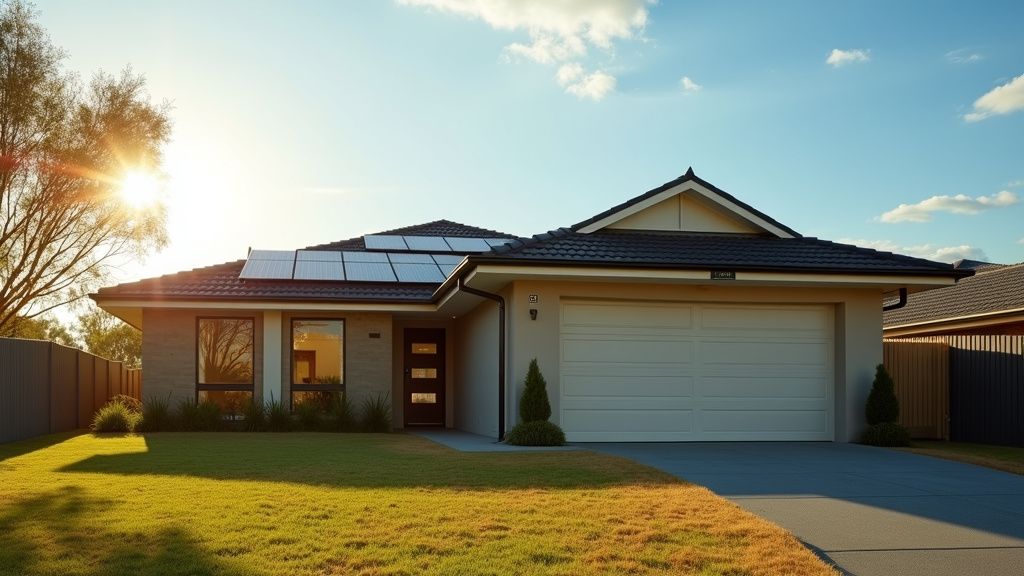
Increased Renewable Energy Capacity: A significant difference between 2019 and 2026 is the substantial increase in renewable energy generation capacity, particularly solar power. Rooftop solar installations have proliferated across the country. Utility-scale solar farms have also come online, contributing a larger proportion of overall energy supply. This growth offers a buffer against peak demand during daylight hours, reducing reliance on traditional fossil fuel sources. However, the intermittency of solar remains a challenge, especially during prolonged heatwaves when cloud cover can reduce output.
-
Battery Storage Advancements: While battery storage technology was in its relative infancy in 2019, it has matured significantly by 2026. Large-scale battery projects are now operational in several states, providing crucial grid stabilisation and the ability to store excess solar energy for use during peak demand periods or overnight. Home battery systems are also becoming increasingly popular, allowing households to reduce their reliance on the grid and contribute to overall grid resilience.
-
Grid Infrastructure Upgrades: Following the shortcomings exposed in 2019-2020, there have been investments in upgrading grid infrastructure. This includes strengthening transmission lines, improving grid management systems, and implementing smart grid technologies. These upgrades are designed to enhance the grid's ability to withstand extreme weather events and manage fluctuating energy flows.
-
Demand Response Programs: Demand response programs are now more prevalent than they were in 2019. These programs incentivise households and businesses to reduce their energy consumption during peak demand periods, helping to alleviate strain on the grid. This can involve offering rebates for turning off appliances or adjusting air conditioning settings.
Challenges Remain
Despite the progress, challenges persist:
-
Intermittency of Renewables: As mentioned earlier, the reliance on solar power introduces intermittency challenges. Extended cloud cover during heatwaves can significantly reduce solar output, requiring backup power sources.
-
Ageing Infrastructure: While upgrades are underway, significant portions of the grid infrastructure are still ageing and vulnerable to extreme weather events. Overloaded transformers and sagging power lines remain a concern.
-
Policy and Regulatory Frameworks: The transition to a renewable energy-powered grid requires clear and consistent policy and regulatory frameworks. Uncertainty in this area can hinder investment and slow down the pace of progress.
-
Extreme Fire Danger: As the BOM warns, the extreme heat also raises warnings of extreme fire danger. Wind and dry lightning forecast adds to the risk. This can threaten power lines and other energy infrastructure.
The Verdict: Progress, But No Room for Complacency
In conclusion, Australia's energy grid is arguably better equipped to handle heatwave-related energy demands in 2026 compared to 2019. The increased renewable energy capacity, advancements in battery storage, and grid infrastructure upgrades have contributed to greater resilience. However, challenges remain, particularly concerning the intermittency of renewables, ageing infrastructure, and the need for strong policy support.
As we navigate future summers, continued investment in renewable energy, storage solutions, and grid modernisation will be crucial. Furthermore, promoting energy efficiency and demand response programs can help reduce overall energy consumption and alleviate strain on the grid. Only through a multifaceted approach can Australia ensure a reliable and sustainable energy supply in the face of increasingly frequent and intense heatwaves.
